
How to Take Stunning Travel Photos: The Ultimate Guide for Every Traveler
Travel Preparation
Govoyagenow
Travel photography is one of the most rewarding ways to capture the essence of your journey. However, many travelers struggle with taking good photos, whether it’s due to poor lighting, lack of composition skills, or not knowing how to use their camera settings. The solution is simple: understand the principles of travel photography and apply them consistently. By mastering the basics of composition, lighting, and timing, you can transform your travel memories into breathtaking visuals that tell a story.
When you’re on the go, it’s easy to overlook the details that make a photo stand out. A poorly composed shot, an overexposed image, or a missed opportunity can turn a perfect moment into a forgettable photo. The key to overcoming these challenges lies in preparation, practice, and a deep understanding of how light and perspective work. Whether you’re using a smartphone or a professional camera, the same principles apply—just adapt them to your equipment.
One of the most important aspects of travel photography is composition. A well-composed photo draws the viewer’s eye and creates a sense of balance. The rule of thirds is a fundamental technique that can help you create more engaging images. By placing your subject off-center, you add visual interest and depth. Additionally, using leading lines, such as roads, rivers, or archways, can guide the viewer’s gaze through the frame and create a sense of movement.
Lighting is another crucial factor in travel photography. The golden hour—just after sunrise or before sunset—is often considered the best time to take photos because the light is soft, warm, and flattering. However, you don’t have to wait for perfect weather. Even on overcast days, you can create beautiful images by using natural light to your advantage. If you’re in a city, try shooting during the midday when the light is harsh and use shadows to add depth to your photos.
Timing is just as important as composition and lighting. Capturing the right moment can make all the difference between an average photo and a stunning one. Whether it’s a local festival, a street performer, or a candid moment with a stranger, being ready to shoot at the right moment can create a powerful image. Practice patience and stay alert—sometimes the best shots come from unexpected moments.
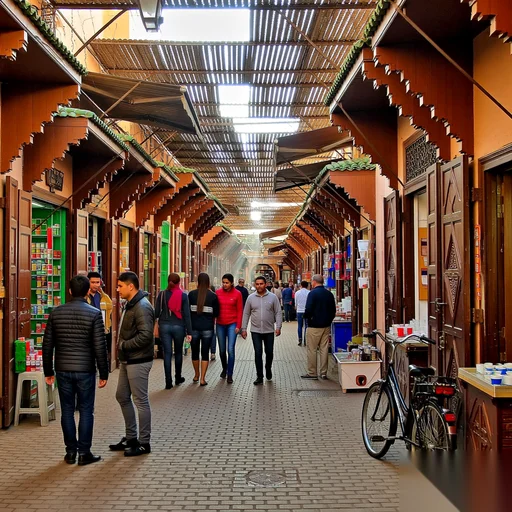
Let’s take a real-life example to illustrate how these principles can be applied. Imagine you’re in a bustling market in Morocco. The scene is vibrant, with colorful stalls, people, and textures. To capture this, you might start by finding a vantage point that allows you to include both the people and the environment. Use the rule of thirds to position your subject in the frame, and wait for a moment when the light is just right—perhaps during the golden hour. If the light is too harsh, you can use a reflector or a diffuser to soften it. Finally, take a few shots from different angles and compositions to ensure you have a variety of options.
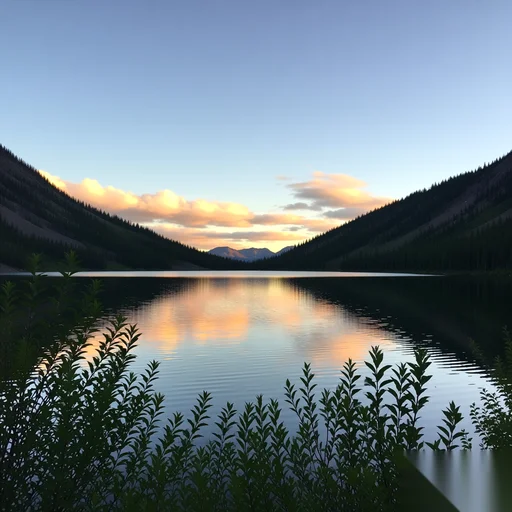
Another example could be a sunrise at a mountain lake. Here, the lighting is soft and the colors are vibrant. To capture this, arrive early and set up your camera or phone in a stable position. Use a tripod if possible to avoid blur, and experiment with different angles to find the most compelling view. You might also try incorporating elements like reflections in the water or the sky to add depth to your image.
In addition to these techniques, it’s important to be mindful of your surroundings and the people you’re photographing. Always ask for permission before taking photos of people, especially in cultures where privacy is highly valued. Be respectful and considerate, and you’ll build trust with locals who may be more willing to share their stories and moments with you.
Lastly, don’t forget to practice and experiment. Travel photography is as much about learning as it is about capturing moments. Try different angles, compositions, and lighting conditions to find your unique style. The more you shoot, the more you’ll develop an eye for what works and what doesn’t.

3 Comments
Anonymous
25/07/2026
This is exactly what I needed. I’ve been struggling with my travel photos, and this guide gave me a solid foundation to work from.
Anonymous
24/07/2026
The examples in the article were so helpful. I especially liked the part about the golden hour and using a tripod. It made everything clearer!
Anonymous
24/07/2026
I’ve tried taking photos on my trips before, but this guide really helped me understand composition and lighting. I’m going to apply these tips on my next trip!