
Hidden Tradeoffs: How to Choose Where to Stay in a Resort Without Overpaying for the Wrong
Travel Insights
Govoyagenow
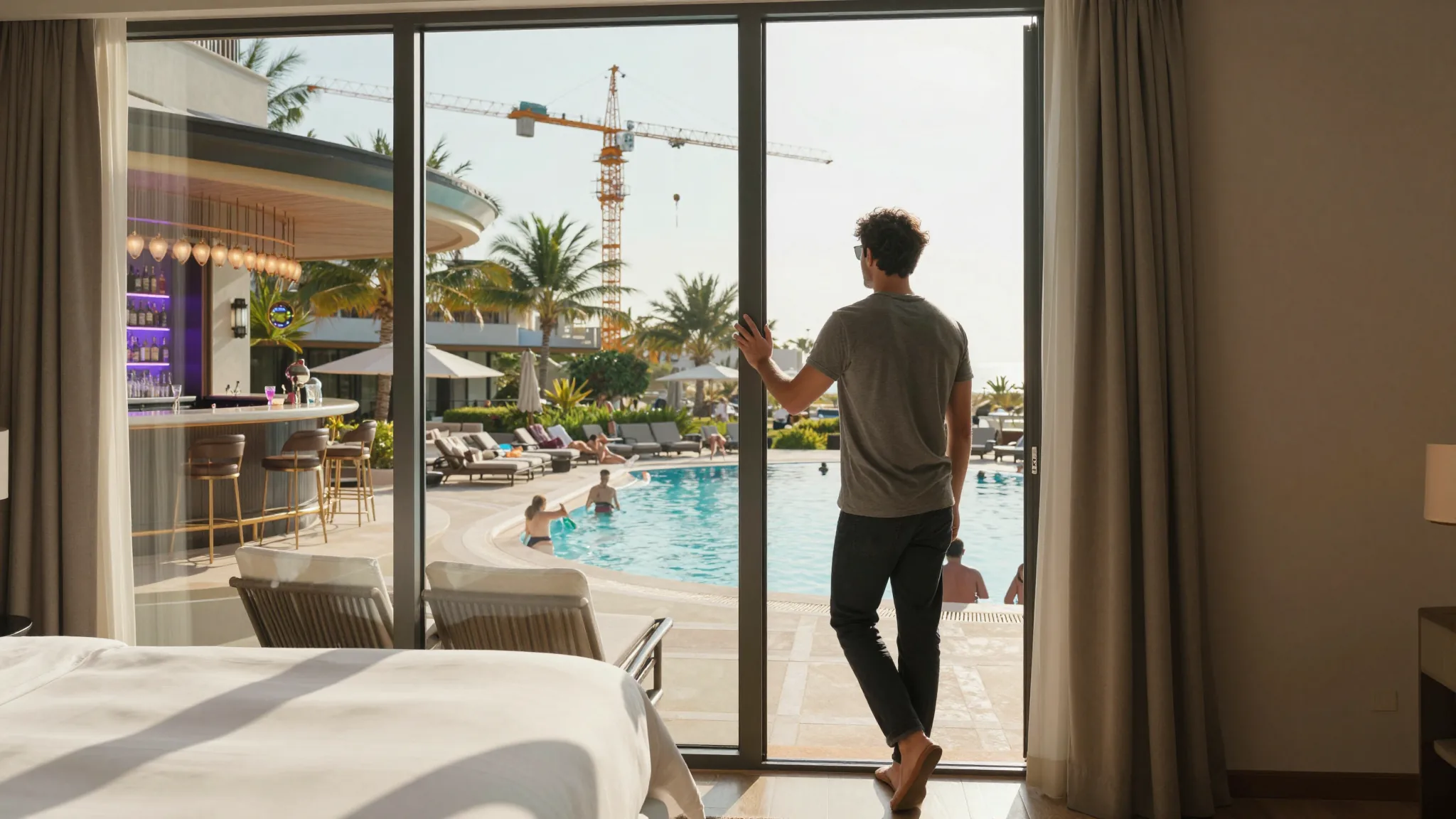
Choosing where to stay in a resort is less about finding the most expensive room and more about matching the property’s layout, noise profile, and daily operations to the way you actually plan to spend your vacation. The biggest hidden risk is booking a glamorous room that sits next to a construction zone, a busy pool deck, or a late-night bar, which can turn a relaxation trip into a constant compromise. This guide focuses on practical checks you can make before booking, the causes behind common disappointments, and the specific steps that reduce the chance of ending up in the wrong part of the property.
The core conclusion is straightforward: where you stay inside the resort matters as much as which resort you choose. A well-placed room can save you daily walks, reduce noise exposure, and improve access to the amenities you use most, while a poorly chosen one can force you to avoid the very facilities you paid for. By treating room selection as a problem to solve rather than a random allocation, you can avoid most of the avoidable frustrations that travelers report after a resort stay.

Why the Same Resort Can Feel Like Two Different Trips
Resort properties are rarely uniform. A single large complex may include beachfront suites, garden wings, tower rooms, and villas that each deliver a different level of privacy, light, and convenience. The causes of this variation are structural: building orientation determines sun exposure, distance from the main pool or restaurant affects foot traffic, and the location of service corridors influences how often housekeeping and maintenance pass by your door. Because these factors are rarely obvious from a website photo, most guests only discover them after arrival.
Therefore, the first step is to understand the property’s map before you confirm a reservation. Look for the relationship between your assigned room category and the amenities you care about most. A room described as “pool-adjacent” may be close to the pool entrance but far from the beach, while a “beach-view” room may sit behind a busy snack bar. These subtle differences shape the daily rhythm of your stay, and they are often the root cause of why two guests at the same resort have completely different experiences.
What to Check Before You Book to Avoid the Wrong Room
Before booking, ask the property directly which building or wing your room will be in, not just which category. A simple question such as “Will this room be in the main building or a separate wing?
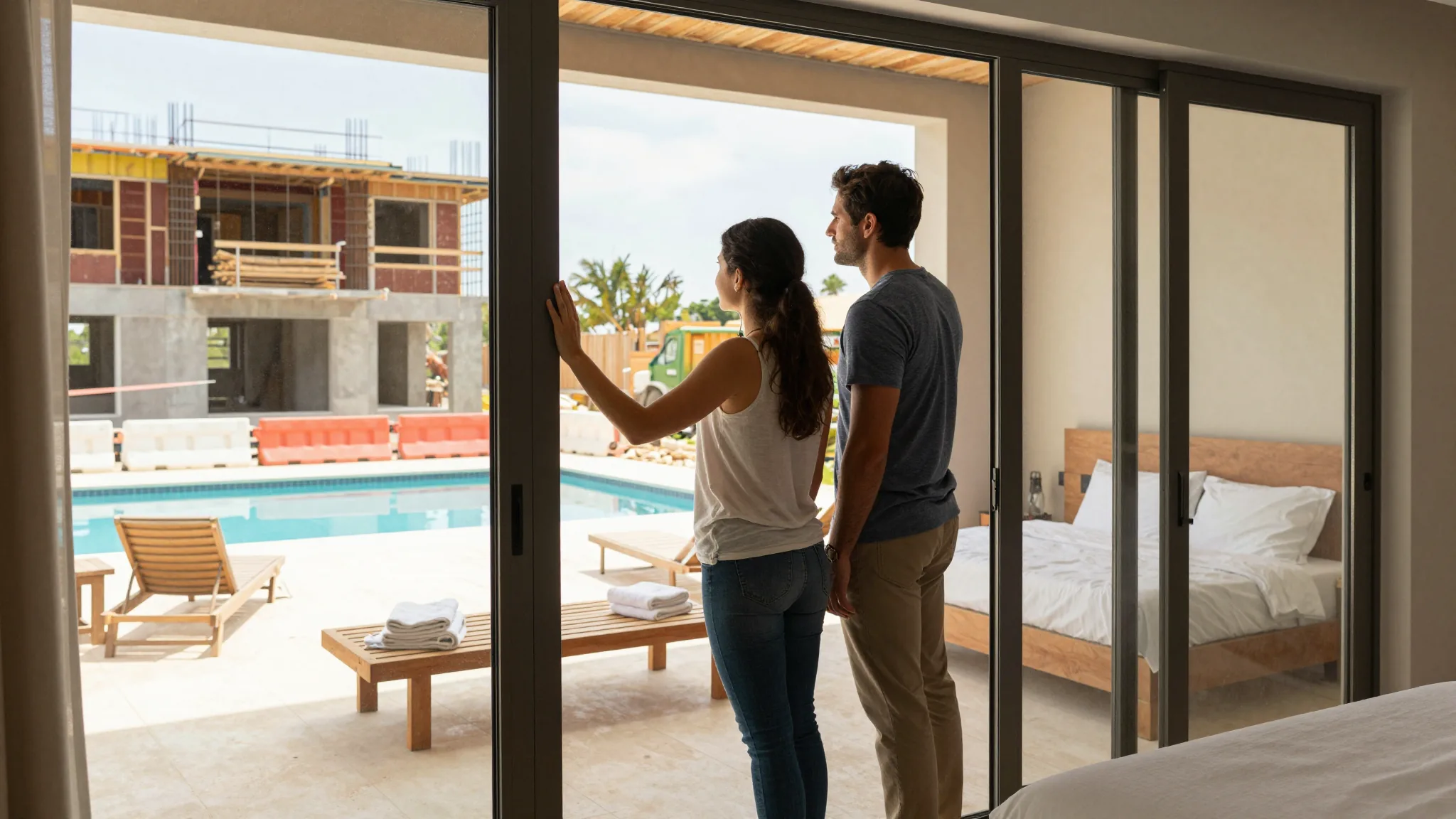
” can reveal whether you are getting a quiet, low-traffic location or a high-traffic central one. Also ask about nearby construction, maintenance schedules, and whether the room faces a road, a courtyard, or open space. These details are not always listed online, but they are usually known to the front desk and can be confirmed in writing.
Second, check the timing of your stay against the property’s seasonal patterns. Some resorts are quieter during the week and livelier on weekends, while others reverse this pattern depending on local events or cruise ship schedules. If your room is near a main entrance or shuttle stop, peak arrival and departure times can create noise that lasts well into the evening. By aligning your booking dates with the property’s quieter periods, you reduce the risk of being woken by a crowd that you did not expect.
How to Read the Risks in a Room Description
Room descriptions often use language that sounds appealing but hides tradeoffs. Phrases like “close to everything” or “steps from the beach” can mean you are within walking distance of a crowded pool bar or a busy parking area. Similarly, “premium view” may refer to a partial ocean view that is blocked by a neighboring building at certain times of day. The risk here is not that the description is false, but that it is incomplete, leaving you to fill in the gaps with assumptions that do not match reality.
However, you can counter this by asking for a floor plan or a recent photo of the exact room type. A floor plan shows the relationship between your room and high-traffic areas, while a recent photo reveals whether the view is as described or whether the room has been renovated in a way that changes its character. If the property cannot provide these details, that itself is a signal to look elsewhere, because transparency about room placement is a basic part of responsible hospitality.
Where to Stay in a Resort If You Want Quiet and Convenience?
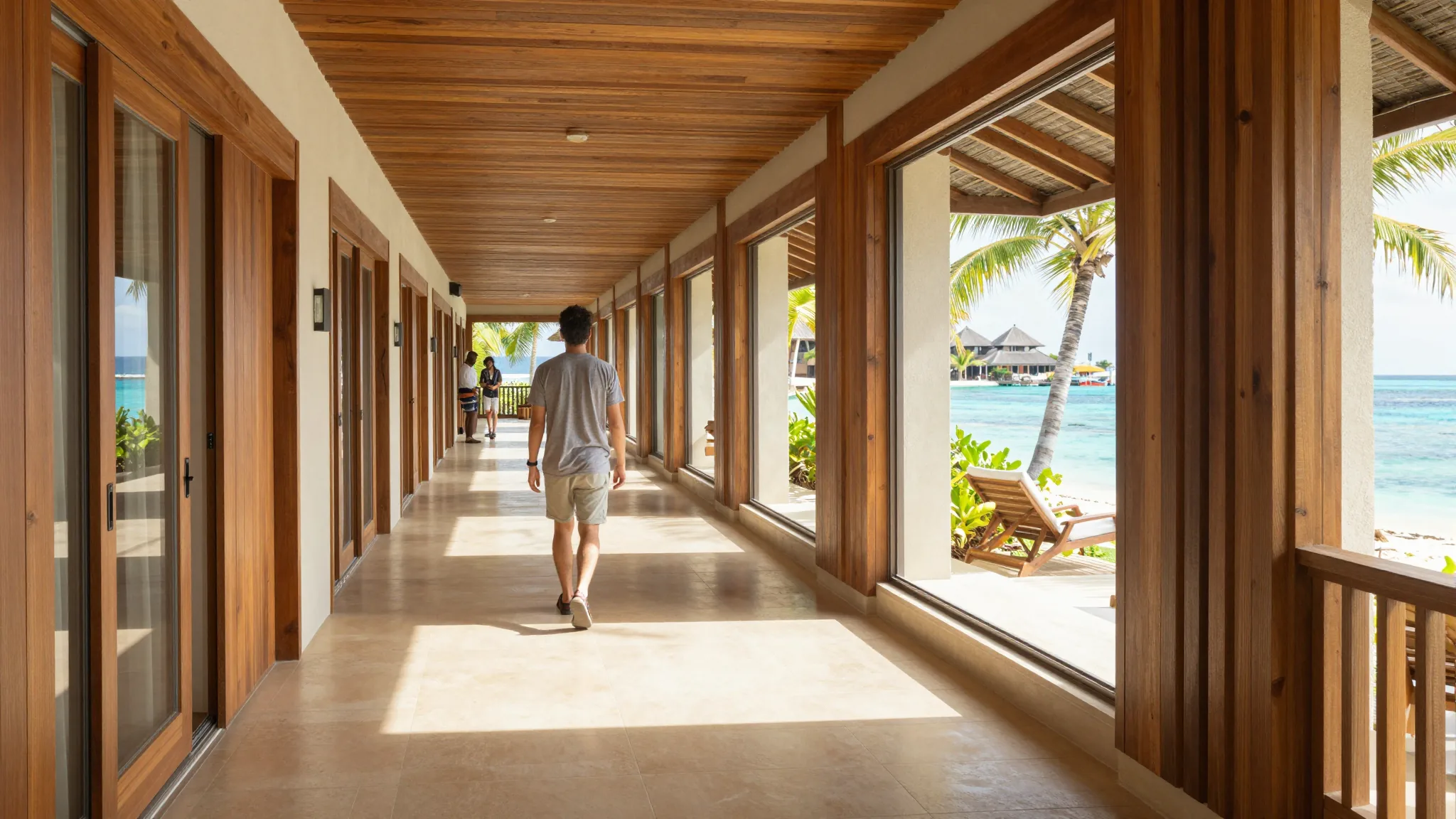
If your priority is a balance of quiet and convenience, the best location is usually a mid-range room in a secondary building or wing that is close enough to the main amenities for a short walk but far enough from the main pool and restaurant to avoid constant foot traffic. This position gives you access to dining and pools without placing you in the center of the property’s busiest zones. It also tends to offer better light and ventilation because secondary wings are often designed with more open space and fewer shared walls.
Practically, you can request this type of room when booking by specifying that you prefer a “quiet, mid-level room away from the main pool and entertainment areas.” Most properties will try to accommodate this request if you explain your preference clearly, especially if you book directly rather than through a third-party site. If you are staying with children or elderly companions, this location also reduces the number of steps and the exposure to crowds, which makes daily movement easier and less tiring.
How to Recover If You End Up in the Wrong Room
If you arrive and discover that your room does not match your expectations, the first step is to document the issue with photos and a written note to the front desk. Common problems include unexpected noise, a view that is blocked, or a room that is closer to a construction site than advertised. By documenting the discrepancy clearly, you give the property a specific reason to offer a change rather than a vague complaint that is harder to act on.
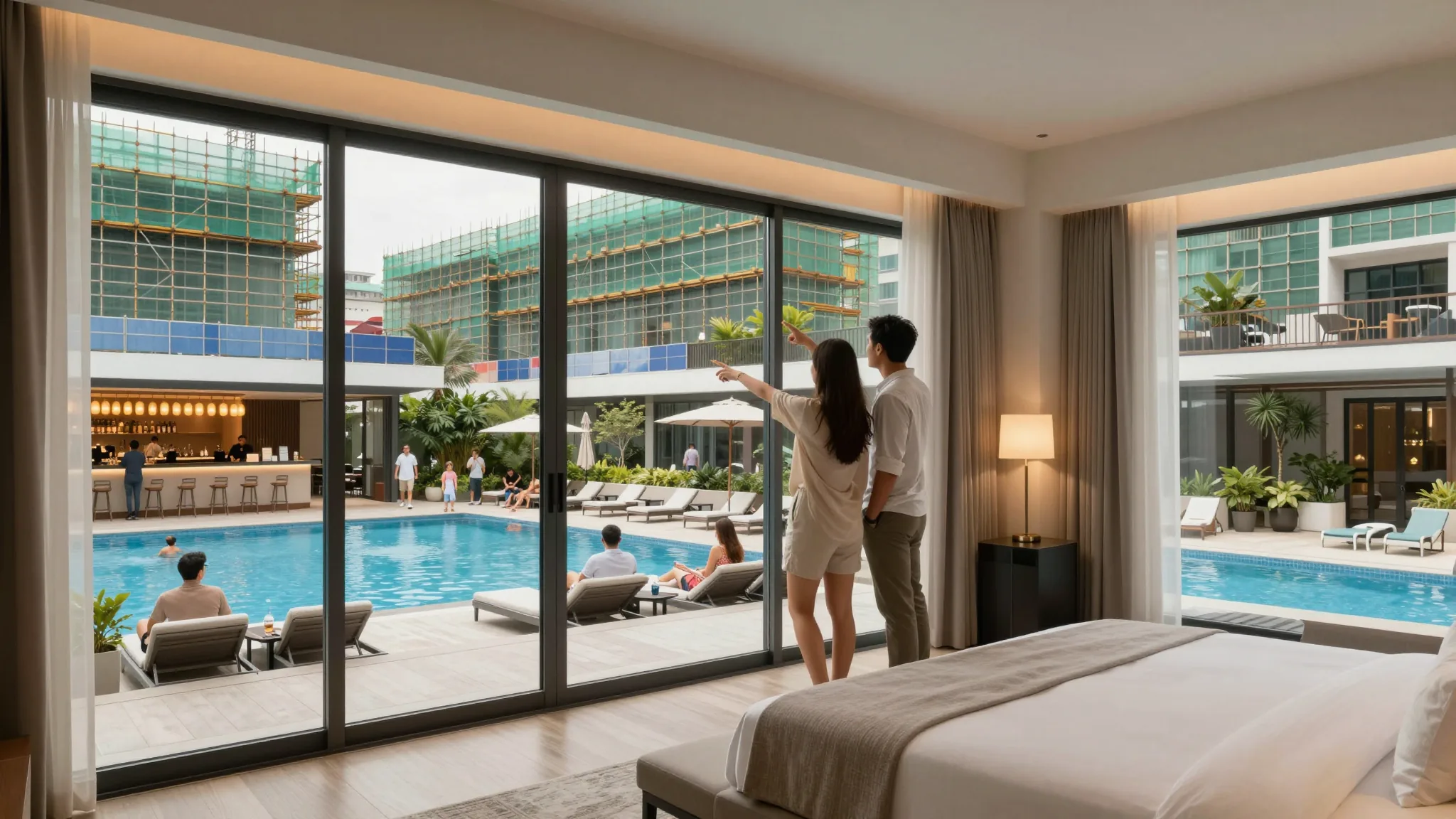
Next, ask for a room change rather than a refund, because a change is usually faster and keeps your vacation on track. If the property cannot offer a comparable room, ask whether they can provide an amenity credit, such as a complimentary dinner or a spa session, as a partial remedy. The key is to be specific about what you need and to remain polite but firm, because front desk staff are more likely to help when the request is clear and reasonable rather than when it is emotional or vague.
How to Plan Your Resort Stay Around the Room You Get
Once you know which room you have, adjust your daily plan to work with the room’s strengths rather than against its limitations. If your room is near the pool, you can start your day with a swim before the crowds arrive. If it is near the garden or a quiet courtyard, you can use that space for morning reading or a slow breakfast. If it is near the main entrance, you can time your walks to avoid the busiest periods and use the room as a convenient base for exploring the property.
Ultimately, where to stay in a resort is a decision that should be made with the same care as choosing the destination itself. By checking the property map, asking direct questions, reading room descriptions critically, and planning around the room you actually receive, you turn a random allocation into a deliberate choice. The result is a stay that feels tailored to your needs rather than one that forces you to adapt to a room that was never designed for the way you travel.