
Best Time to Visit France: How to Choose the Right Season to Avoid Crowds
Travel Insights
Govoyagenow
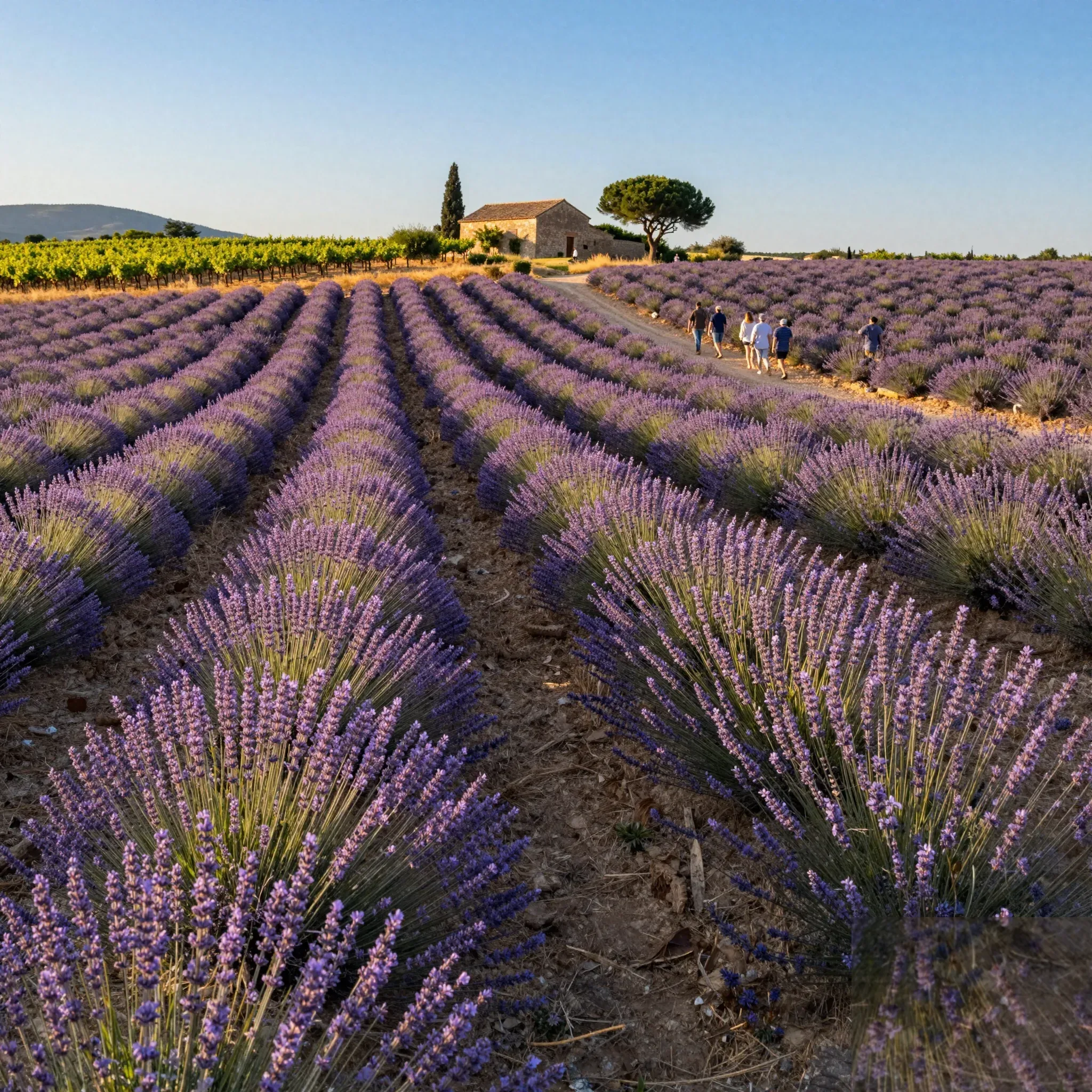
France is most enjoyable when you match your travel goals with the right season, not just the most famous months. Summer offers long days and open beaches, but it also brings the heaviest crowds and highest prices, while shoulder seasons like spring and autumn often provide a better balance of weather, availability, and local atmosphere. The practical answer is to decide what you want from the trip first—coastal leisure, cultural sightseeing, countryside food, or budget flexibility—then choose the season that supports that goal while minimizing peak congestion.
The key decision is not “when is France nice?” but “when is France nice for the kind of trip you are planning?
” A short checklist of weather, crowd pressure, costs, and activity availability will help you avoid overcommitting to a season that looks perfect online but feels crowded in person. This guide breaks down the causes of seasonal congestion, compares the main travel windows, and gives clear steps for booking smarter.
Why Crowds Build Up in Certain Seasons
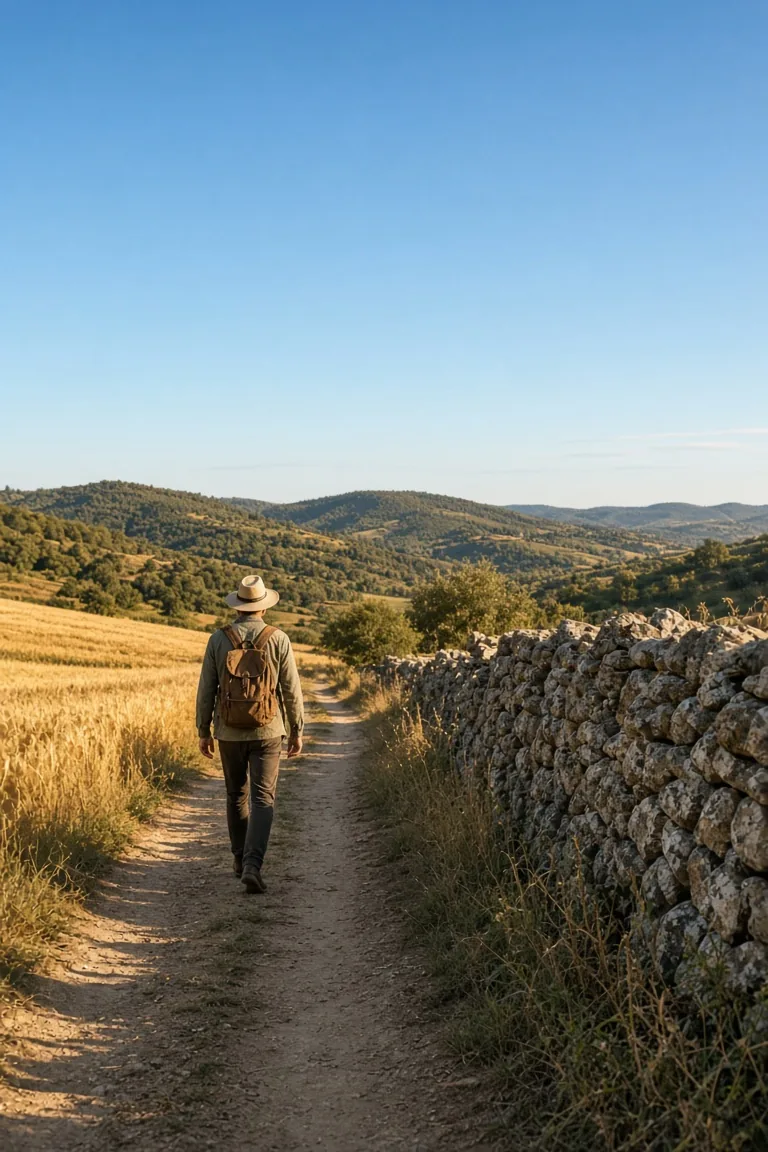
Crowds in France are driven by a combination of school holidays, weather patterns, and major tourist infrastructure. Summer is the most predictable peak because warm weather, open coastal resorts, and extended daylight hours all pull visitors toward the same destinations at the same time. Spring and autumn are more mixed: weather can still be pleasant, but local event calendars, harvest activities, and shorter school breaks can create pockets of congestion in specific regions rather than across the entire country.
Winter also deserves attention because demand shifts rather than disappears. Mountain resorts, city holiday markets, and indoor cultural attractions can draw steady numbers of visitors even when coastal towns slow down. Understanding these shifts helps you avoid assuming that “off-season” always means empty; in many cases it simply means a different kind of demand.
Which Season Gives the Best Balance of Weather and Low Crowds?
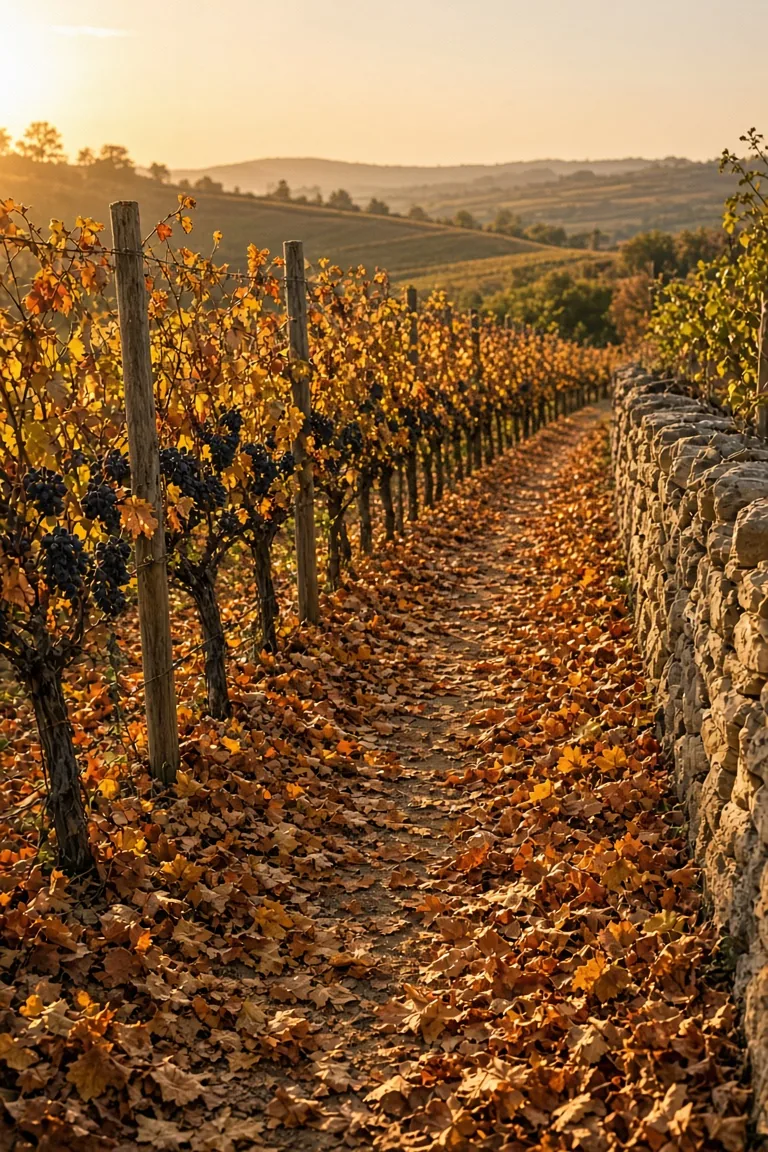
For most travelers, late spring and early autumn offer the best balance. In late spring, temperatures are comfortable, gardens are in bloom, and many destinations are less saturated than in peak summer. In early autumn, the weather often remains mild, food seasons are strong, and hotel availability improves as summer demand fades. These windows are especially useful if your priority is cultural sightseeing, regional food, and flexible pacing.
If your goal is beach time, however, you need to accept some trade-offs. Summer is the most reliable season for warm water and long daylight, but it also brings the highest concentration of visitors and the least flexibility in pricing. Choosing a slightly less central coastal area or traveling just before or after the peak weeks can reduce pressure without sacrificing the beach experience.
How Should You Match the Season to Your Trip Priorities?
define the primary purpose of your trip. If culture and museums are the focus, spring and autumn are usually stronger choices because indoor attractions remain open, weather is manageable, and city centers are less overwhelmed. If outdoor activity is the focus, summer is more practical, especially for hiking, cycling, and coastal exploration, but you should expect heavier foot traffic and tighter schedules.
consider flexibility. Travelers who can shift dates by even one or two weeks often avoid the worst congestion spikes. This matters because demand in France is not evenly spread; it clusters around holidays, weekends, and major event periods. A trip planned around flexible dates gives you more negotiating power for accommodations and transportation.
What Risks Should You Watch Before You Book?
The biggest risk is booking too early without checking seasonal demand patterns. Many travelers assume that lower prices always signal a quieter trip, but that is not always true. Some destinations remain busy even when rates dip, especially if they are tied to local events, school calendars, or short holiday windows. Always cross-check accommodation availability against known travel peaks.
Another risk is underestimating regional variation. France is not one uniform travel market. One area may be quiet while another is packed, even in the same week. This is why a practical planning process should include a quick review of regional calendars, transport connections, and accommodation density before finalizing dates.
What Practical Steps Lead to a Smoother Trip?
Use a simple decision sequence: identify your travel goal, select the season that best supports it, then narrow the dates around known low-pressure windows. Next, check local event calendars and school holiday periods to avoid surprise surges. Finally, book accommodations with some date flexibility so you can shift if demand changes.
For travelers who want to minimize crowding without giving up the experience, the best strategy is to prioritize shoulder seasons, avoid the most concentrated holiday weeks, and choose destinations with good transport access rather than the most famous names alone. This approach keeps the trip comfortable while preserving the core reasons people visit France in the first place.