
What Could Go Wrong on the Way to a Scenic Area
Travel Insights
Govoyagenow
When traveling to a scenic area, encountering problems is almost inevitable—from vehicle breakdowns and road closures to parking shortages and last-minute weather shifts. This practical problem-solving guide identifies the most frequent issues travelers face on the road, explains why they happen, and provides actionable steps to handle each situation before it ruins your plans. The core conclusion is straightforward: preparation and awareness can eliminate most travel disruptions, but knowing how to respond when something unexpected happens is equally essential.
In this guide, you will learn about the root causes behind common travel setbacks, discover step-by-step solutions for real-time problem-solving, and receive specific actionable advice to minimize risks on your next trip to a scenic destination. Whether you are driving to a national park, hiking trail, or coastal viewpoint, this article equips you with the knowledge to navigate obstacles confidently.
What are the most common problems travelers encounter on the way to a scenic area?
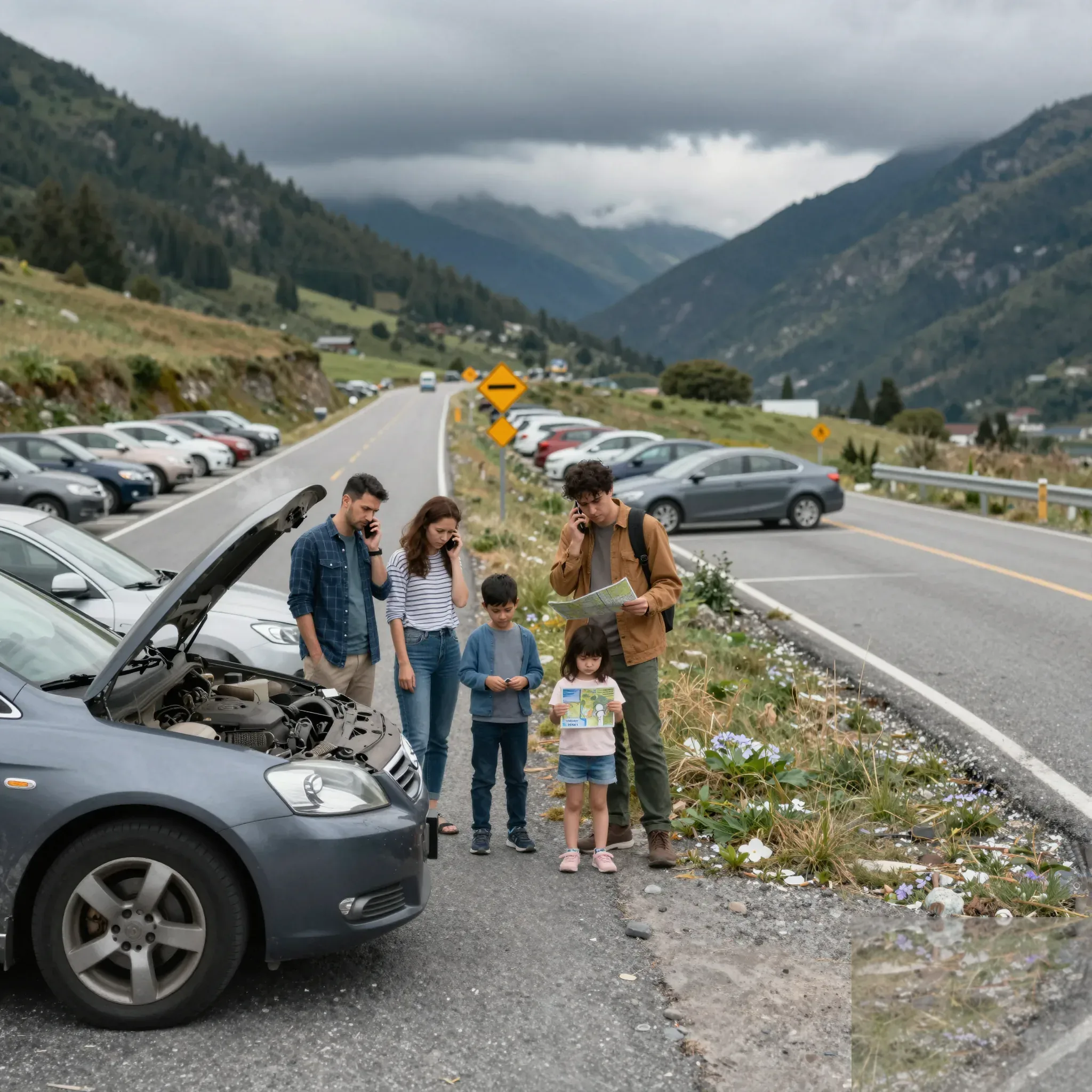
The most common problems include vehicle breakdowns, unexpected road closures, heavy traffic congestion, parking lot fullness, and sudden weather changes. Vehicle issues such as flat tires, dead batteries, or engine overheating frequently occur on remote roads leading to scenic areas. Road closures due to construction, accidents, or natural hazards can add hours to your journey. Additionally, many popular scenic destinations have limited parking capacity, especially during peak seasons, leaving travelers stranded far from their intended destination.
Why do these travel problems happen so frequently on the way to scenic areas?
The root causes of these problems stem from a combination of infrastructure limitations and predictable human behavior. Scenic areas often have single-lane roads with no alternative routes, meaning any disruption creates immediate bottlenecks. Weather patterns in mountainous or coastal regions change rapidly, catching unprepared travelers off guard. Furthermore, the popularity of certain destinations during specific seasons overwhelms existing parking and road capacity. Understanding these underlying factors helps you anticipate rather than react to potential issues.
How should you respond step-by-step when problems arise during your trip?
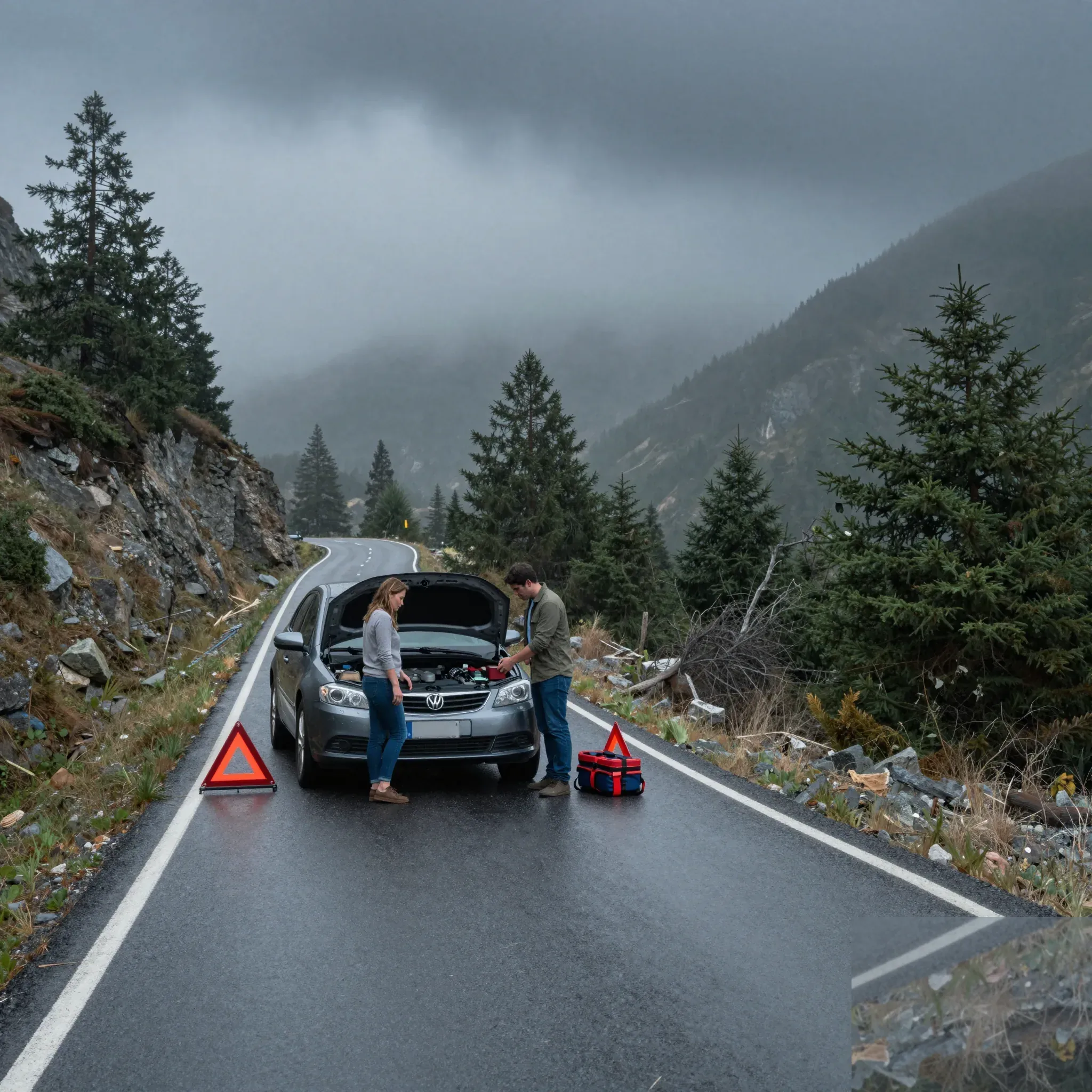
First, remain calm and assess the situation before making decisions. If your vehicle breaks down, pull over safely and use your emergency kit while waiting for assistance or calling roadside service. For road closures, immediately check navigation apps for alternate routes and contact local visitor centers for real-time updates. When the parking lot is full, have backup parking locations pre-identified and consider arriving earlier or using shuttle services. Finally, if weather deteriorates, return to your vehicle immediately, adjust your timeline, and seek shelter rather than pushing forward into dangerous conditions.
What specific steps can you take to prevent problems before heading to a scenic area?
Prevention starts with thorough preparation: check your vehicle’s condition including tires, fluids, and brakes at least one week before your trip. Research road conditions and construction schedules using official government transportation websites. Download offline maps and navigation apps in case you lose cellular signal in remote areas. Arrive at scenic areas before 9 a.m. to guarantee parking availability, and always carry an emergency kit containing water, food, a flashlight, first-aid supplies, and a portable charger. Finally, monitor weather forecasts 48 hours in advance and build flexibility into your itinerary so you can adjust departure times if conditions change.