
How to Explore Brazil’s Snake Island Safely? A Traveler’s Guide
Seasonal Travel
Govoyagenow
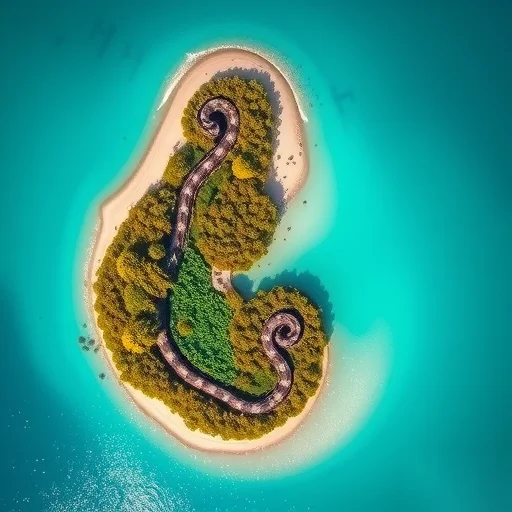
Brazil’s Snake Island, or Ilha de Queimada Grande, is a remote and mysterious island located off the coast of São Paulo. Known for its dense jungle, dramatic cliffs, and, most notably, its population of venomous golden lancehead pit vipers, it’s a place that both fascinates and frightens. For travelers curious about this unique destination, the challenge lies in how to explore it safely while respecting its natural and ecological significance. The answer is to approach the island with thorough preparation, a deep understanding of its risks, and a commitment to responsible tourism.
Before setting foot on Snake Island, it’s crucial to understand that it is not a typical tourist destination. The Brazilian government has restricted access to the island, and visits are only permitted under strict conditions, such as through guided tours authorized by the local authorities. This is not a place for casual exploration. The primary goal of visiting is to learn about its unique ecosystem and the conservation efforts in place, rather than to hike or camp.
Safety is the top priority when visiting Snake Island. The golden lancehead pit viper, the island’s most dangerous resident, is highly venomous and can be found in large numbers throughout the island. These snakes are not aggressive by nature, but they are extremely territorial and can become defensive if provoked. Visitors must remain calm, avoid sudden movements, and never attempt to touch or feed the snakes. It’s also essential to follow the instructions of the guides, who are trained to handle the island’s environment and ensure the safety of all visitors.
To plan a visit to Snake Island, travelers must first obtain a permit. This process is highly regulated and requires proof of citizenship, a valid passport, and a letter of invitation from a licensed tour operator. The tour operators on the island are responsible for ensuring that visitors are properly informed about the risks and are prepared for the conditions. These tours typically last a few hours and include a guided walk through the island’s most accessible areas. Visitors are required to wear protective clothing, including long sleeves, long pants, and sturdy shoes, to minimize exposure to the island’s rugged terrain and potential snake encounters.
One of the most important aspects of visiting Snake Island is understanding the conservation efforts in place. The island is a protected area, and its ecosystem is fragile. The golden lancehead pit viper is an endangered species, and the island serves as a critical habitat for it. As a result, visitors are not allowed to collect any specimens, disturb the natural environment, or take photographs that could interfere with the island’s delicate balance. The focus is on education and awareness, allowing travelers to experience the island’s unique biodiversity without causing harm.
A real-life example of a successful visit to Snake Island is the experience of a group of nature enthusiasts who traveled with a licensed tour operator. The group arrived at the island’s landing point, where they were greeted by a guide who provided a detailed safety briefing. The tour included a short hike through the jungle, during which the group learned about the island’s history, its wildlife, and the importance of conservation. The guide pointed out the presence of snakes but emphasized the need to remain calm and avoid any unnecessary movements. The experience was both educational and humbling, leaving the visitors with a deep respect for the island and its inhabitants.
For those who are not planning to visit Snake Island directly, there are still ways to engage with its culture and history. The nearby city of Praia Grande offers a range of accommodations, dining options, and cultural activities that provide a glimpse into the local lifestyle. Visitors can also explore the surrounding coastal areas, which are rich in biodiversity and offer opportunities for snorkeling, kayaking, and other water-based activities. These experiences, while not as intense as a visit to the island itself, still provide a way to connect with the region’s natural beauty and ecological significance.
In summary, visiting Brazil’s Snake Island is a unique and unforgettable experience, but it requires careful planning, respect for the island’s environment, and a commitment to safety. By following the guidelines set by the local authorities and tour operators, travelers can enjoy a glimpse into one of the world’s most mysterious and protected ecosystems. Whether you choose to visit the island directly or explore its surrounding areas, the key is to approach it with curiosity, caution, and a deep appreciation for its natural wonders.




1 Comments
Anonymous
18/07/2026
I was really nervous about visiting the island, but the guide was amazing. He made sure we were safe and educated us about the snakes. It was a once-in-a-lifetime experience!