
How to Make Your Own Travel Itinerary? A Step-by-Step Guide for First-Time Travelers
Practical Travel Tips
Govoyagenow
Traveling can be an exciting and transformative experience, but for many people, the idea of planning a trip can feel overwhelming. Whether you’re a first-time traveler or someone who has never created their own itinerary, the process of planning can seem like a daunting task. The good news is that with a clear approach and some simple steps, you can create a personalized travel plan that fits your needs, budget, and interests. This guide will walk you through the key principles and practical steps to make your own travel itinerary, helping you avoid common pitfalls and enjoy a more seamless journey.
Creating your own travel itinerary doesn’t require advanced planning skills or a deep knowledge of travel logistics. It’s all about understanding what you want from your trip and organizing your plans in a way that makes sense for you. The first step is to define your travel goals. Are you looking for relaxation, adventure, culture, or a mix of all three? Once you have a clear idea of what you want, you can start breaking down your trip into manageable parts, such as choosing your destination, setting a budget, and determining the best time to go.
Next, you’ll need to research your destination thoroughly. This means looking up information about the local culture, transportation options, and must-see attractions. It also involves checking the weather, local events, and any travel restrictions or advisories. Don’t forget to read reviews from other travelers to get an honest perspective on what to expect. This research will help you make informed decisions and avoid common mistakes, such as arriving at a destination only to find that the best attractions are closed or not worth the visit.
Once you have a good understanding of your destination, it’s time to plan the logistics of your trip. This includes booking flights, accommodation, and any necessary travel permits or visas. It’s important to book in advance, especially during peak travel seasons, to secure the best prices and availability. However, you don’t need to lock everything in at once—many travelers find it helpful to book a few key elements early and leave some flexibility for last-minute changes.
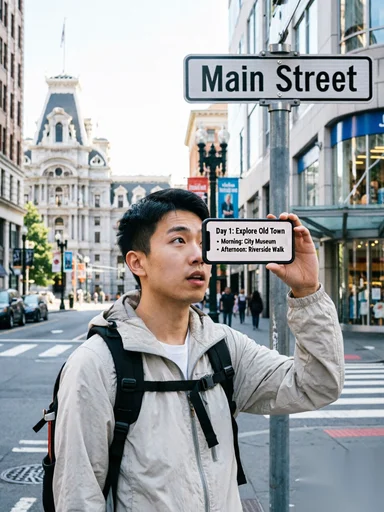
Creating a daily itinerary is another crucial step in the process. This doesn’t mean you have to plan every minute of your day, but having a rough outline of what you want to do each day can help you stay on track and make the most of your time. For example, if you’re visiting a city with a rich cultural history, you might want to allocate a full day to exploring museums, historical sites, and local markets. On the other hand, if you’re looking for relaxation, you might prioritize beach time or spa visits. Be sure to leave some free time for unexpected discoveries or rest.
Let’s look at a real-world example to see how this process works in practice. Imagine a traveler planning a trip to Japan for the first time. They start by defining their goals: they want to experience both the bustling cities and the serene countryside. They research the best times to visit, considering the weather and local festivals. They book flights and accommodation in advance, but also keep an open mind for last-minute changes. They create a daily itinerary that includes visiting Tokyo, Kyoto, and Osaka, with a mix of cultural experiences and relaxation. They also plan for transportation between cities and include some free time for spontaneous activities. This approach allows them to have a structured yet flexible trip that meets their expectations.
Another important aspect of creating your own itinerary is staying flexible. Travel is unpredictable, and things don’t always go as planned. Whether it’s a flight delay, a closed attraction, or an unexpected opportunity, being adaptable can make your trip more enjoyable. It’s also a good idea to have a backup plan in case something goes wrong. This could include having alternative transportation options, extra cash on hand, or a list of nearby attractions in case your original plans change.
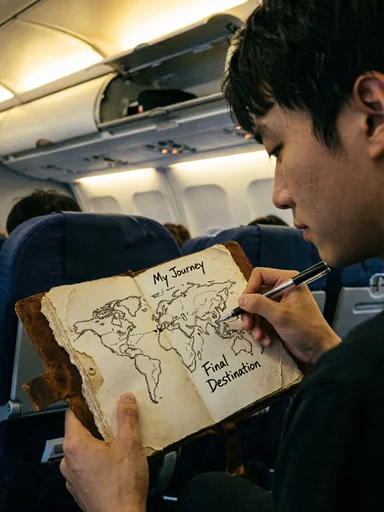
Finally, don’t forget to document your journey. Keeping a travel journal or taking photos can help you reflect on your experiences and create lasting memories. It can also be a valuable resource for future trips, as you’ll have a record of what worked and what didn’t.
In summary, creating your own travel itinerary is a rewarding process that allows you to tailor your trip to your unique preferences and interests. By following a few key steps—defining your goals, researching your destination, planning the logistics, creating a daily itinerary, staying flexible, and documenting your journey—you can ensure a more enjoyable and stress-free travel experience.




1 Comments
Anonymous
29/07/2026
I found this guide very helpful. As a first-time traveler, I was overwhelmed with planning, but now I feel more confident about organizing my own trip.