
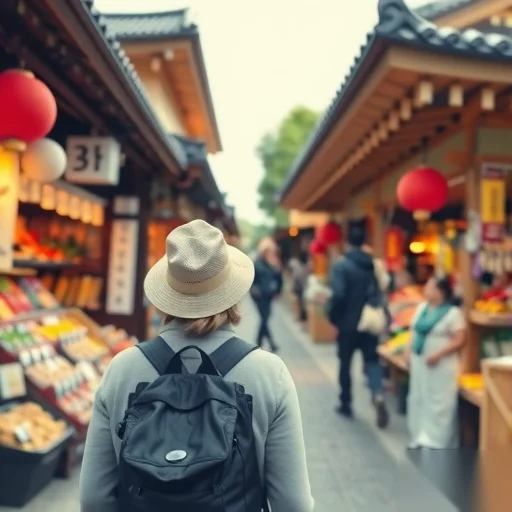
How to Plan a Perfect Travel Itinerary? A Step-by-Step Guide for First-Time Travelers
Practical Travel Tips
Govoyagenow
Traveling is one of the most exciting experiences in life, but for many first-time travelers, the process of planning a trip can feel overwhelming. The key to a successful journey lies in a well-structured itinerary that balances sightseeing, relaxation, and personal preferences. This guide offers a straightforward approach to creating a travel plan that ensures you make the most of your time, avoid common pitfalls, and enjoy every moment of your adventure.
When planning a trip, it’s easy to get lost in the details—choosing the right destination, booking accommodations, and figuring out the best way to explore the city. However, the most effective travel plans are built on a simple principle: know your priorities. Whether you’re looking for a relaxing beach getaway, a cultural immersion in a historic city, or an adventurous trek through the mountains, your itinerary should reflect what matters most to you. By focusing on your goals, you can create a schedule that’s both enjoyable and efficient.
The first step in planning your travel itinerary is to determine your destination and the duration of your trip. Once you’ve chosen a location, research the must-see attractions and local events that align with your interests. For example, if you’re visiting Paris, you might prioritize visiting the Eiffel Tower, Louvre Museum, and Notre-Dame Cathedral, while also considering local festivals or food markets. Next, allocate time for each activity based on your travel pace and the distance between locations. It’s important to leave room for spontaneity, as unexpected opportunities often lead to the most memorable experiences.
After identifying your top attractions, it’s time to map out your daily schedule. Start by grouping nearby sites together to minimize travel time and maximize your experience. For instance, if you’re in Rome, plan to visit the Colosseum, Roman Forum, and Palatine Hill on the same day, as they are all within walking distance. Include breaks for meals and rest, and don’t forget to factor in transportation options like public transit, walking, or guided tours. A well-organized itinerary not only saves time but also reduces stress, allowing you to fully immerse yourself in the destination.
To make your travel plan even more effective, consider the local culture and customs. In some destinations, visiting certain sites requires advance reservations or specific hours of operation. For example, in Japan, many temples and shrines have strict visiting times, and booking tickets in advance is highly recommended. Additionally, being respectful of local traditions can enhance your experience and show appreciation for the culture you’re exploring. By incorporating these considerations into your itinerary, you’ll not only save time but also gain a deeper understanding of the place you’re visiting.
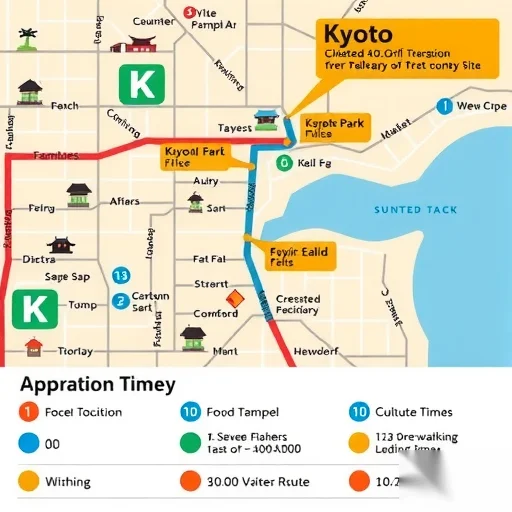
A real-world example of this approach is a traveler who planned a week-long trip to Kyoto, Japan. They prioritized visiting historic temples, gardens, and cultural landmarks such as Kinkaku-ji, Fushimi Inari, and Arashiyama Bamboo Grove. They mapped out their days to visit nearby sites together, allowing for efficient travel and ample time to explore each location. They also reserved tickets for popular attractions in advance and planned for traditional tea ceremonies and local festivals. As a result, they were able to fully immerse themselves in Kyoto’s rich culture without feeling rushed or overwhelmed.
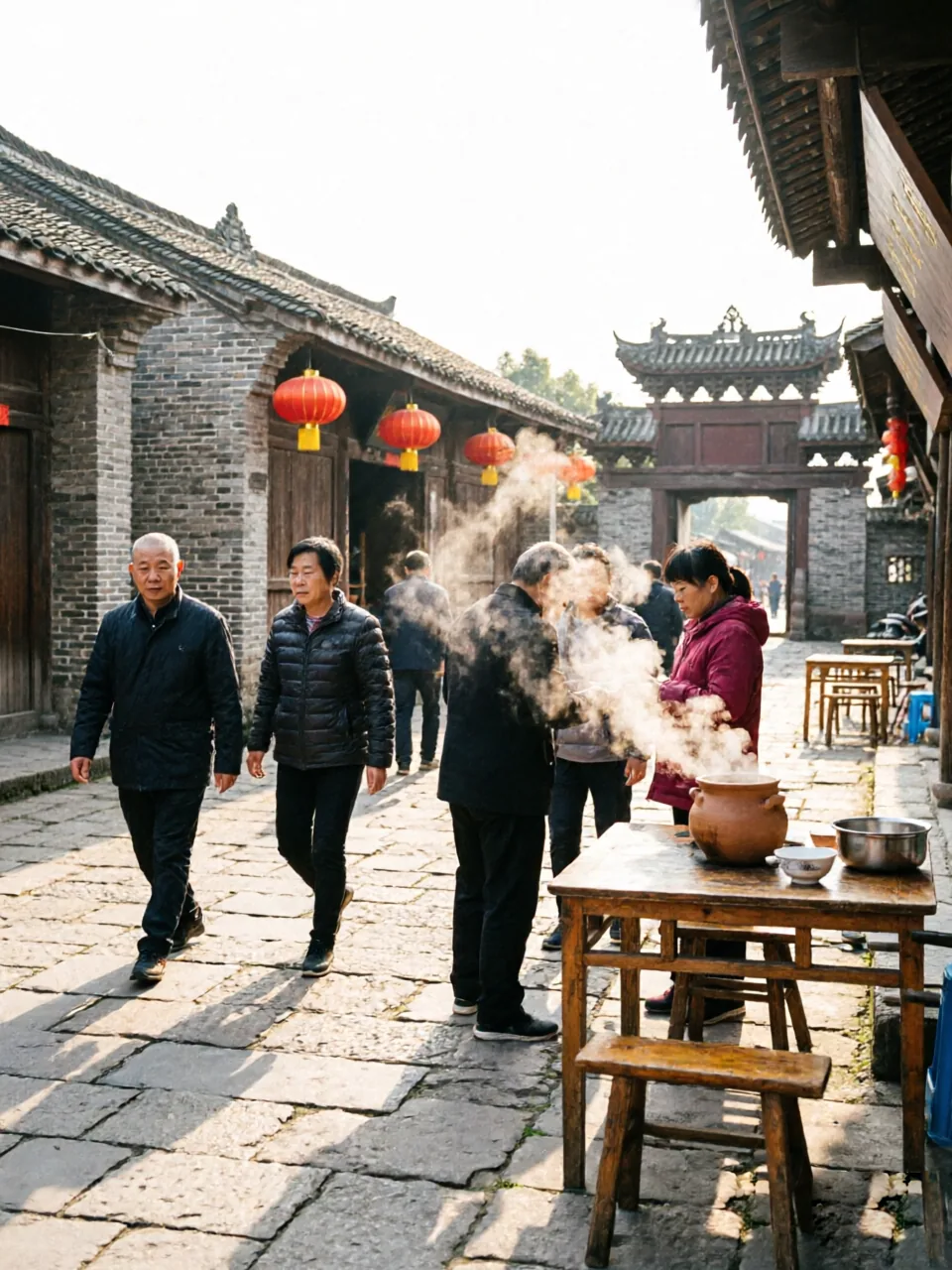
In addition to sightseeing, a well-rounded itinerary should include time for relaxation and personal reflection. Whether it’s enjoying a quiet afternoon at a café, exploring a local market, or simply taking a walk through a beautiful park, these moments can make your trip more meaningful. Don’t forget to leave space for unexpected discoveries—sometimes the best experiences come from unplanned detours or spontaneous decisions. By balancing structure with flexibility, you’ll create a travel plan that’s both enjoyable and memorable.




3 Comments
Anonymous
06/07/2026
I loved the real-life example with Kyoto. It gave me a clear idea of how to structure my own itinerary.
Anonymous
06/07/2026
This guide is super helpful for someone who's never planned a trip before. I followed the steps and it made everything so much easier!
Anonymous
05/07/2026
The tips on balancing sightseeing with relaxation are exactly what I needed. I’ll definitely use this for my next trip.