
What Makes Edeng Temple Unique and How Can You Plan a Perfect Visit?
Practical Travel Tips
Govoyagenow
Edeng Temple is not just another stop on a sightseeing itinerary—it is a living sanctuary of art, faith, and local legend. To visit it well, you need to understand its story, respect its rhythm, and prepare for a quiet but profound experience. This guide gives you a practical, step-by-step plan to explore Edeng Temple without rushing, missing hidden details, or disrespecting local customs.
Most travelers first hear about Edeng Temple through word of mouth or a stray photo online. The problem is that reliable information is scarce. Many online guides mix it up with other temples or give only opening hours and a map pin. You might show up, walk through the main hall in ten minutes, and leave wondering what the fuss was about. That happens because Edeng Temple reveals itself slowly. Its value is not in grand scale but in subtle details: weathered stone carvings, a specific incense recipe, and a courtyard tree said to be over three hundred years old. If you treat it like a checklist attraction, you will miss nearly everything.
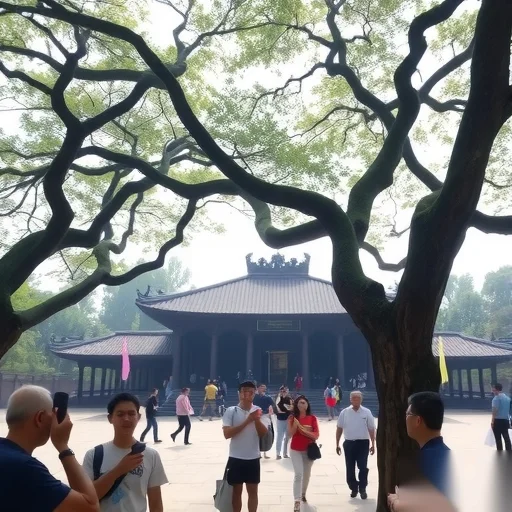
The principle behind a rewarding visit is simple: shift from “seeing” to “observing.” Edeng Temple was built on a geomantic layout that follows the natural slope of the hill behind it. Every hall, step, and garden niche was placed to create a gradual sense of withdrawal from the outside world. The main gate faces southeast, catching the morning light directly onto a small statue of the temple’s guardian. Local devotees believe this alignment helps “wake” the temple each day. By understanding that design philosophy, you stop rushing from one hall to another. Instead, you start noticing how the light changes, how the sounds of the street fade behind the second gate, and how the air smells different near the old well. That is the real experience.
So how do you actually plan this visit? Start with timing. Go on a weekday morning, ideally between 8:30 and 10:00. Avoid the first and fifteenth days of the lunar month unless you want to join a large prayer gathering—which can be beautiful but crowded. The temple grounds are small but layered. Begin at the outer archway, not the ticket counter. That archway has four faded paintings on its ceiling. Most people walk right under them without looking up. Stop for two minutes. Those paintings tell a folk story about a drought and a monk who dreamed of water. Then move to the entrance hall. Do not take photos immediately. Instead, watch how local visitors pay respects: they light three sticks of incense, hold them at forehead level, and walk clockwise around the small inner courtyard. Join them or just stand aside and observe. That simple act of watching changes your pace.
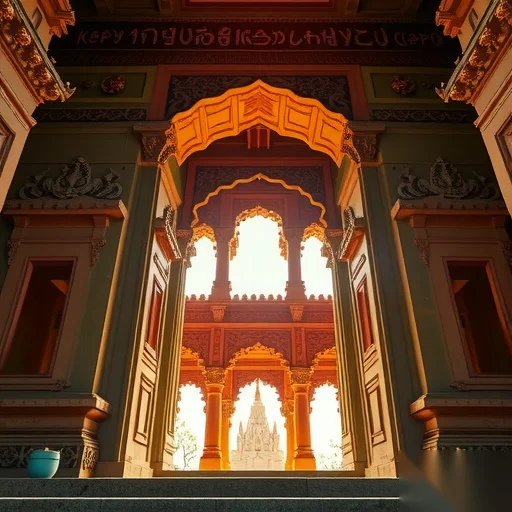
Inside the main hall, the central figure is not a Buddha but a local scholar-deity unique to Edeng. The statue’s right hand is missing three fingers. A brass plaque explains the damage happened during a fire in the 1940s, but the oral history is more interesting: villagers claim the scholar used his hand to block a falling beam from crushing a child. Whether you believe the legend or not, that detail makes the space feel human. Spend time here. Look at the ceiling beams—some have faint red characters painted on them, names of carpenters from different repair eras. No other temple in the region keeps these marks visible.
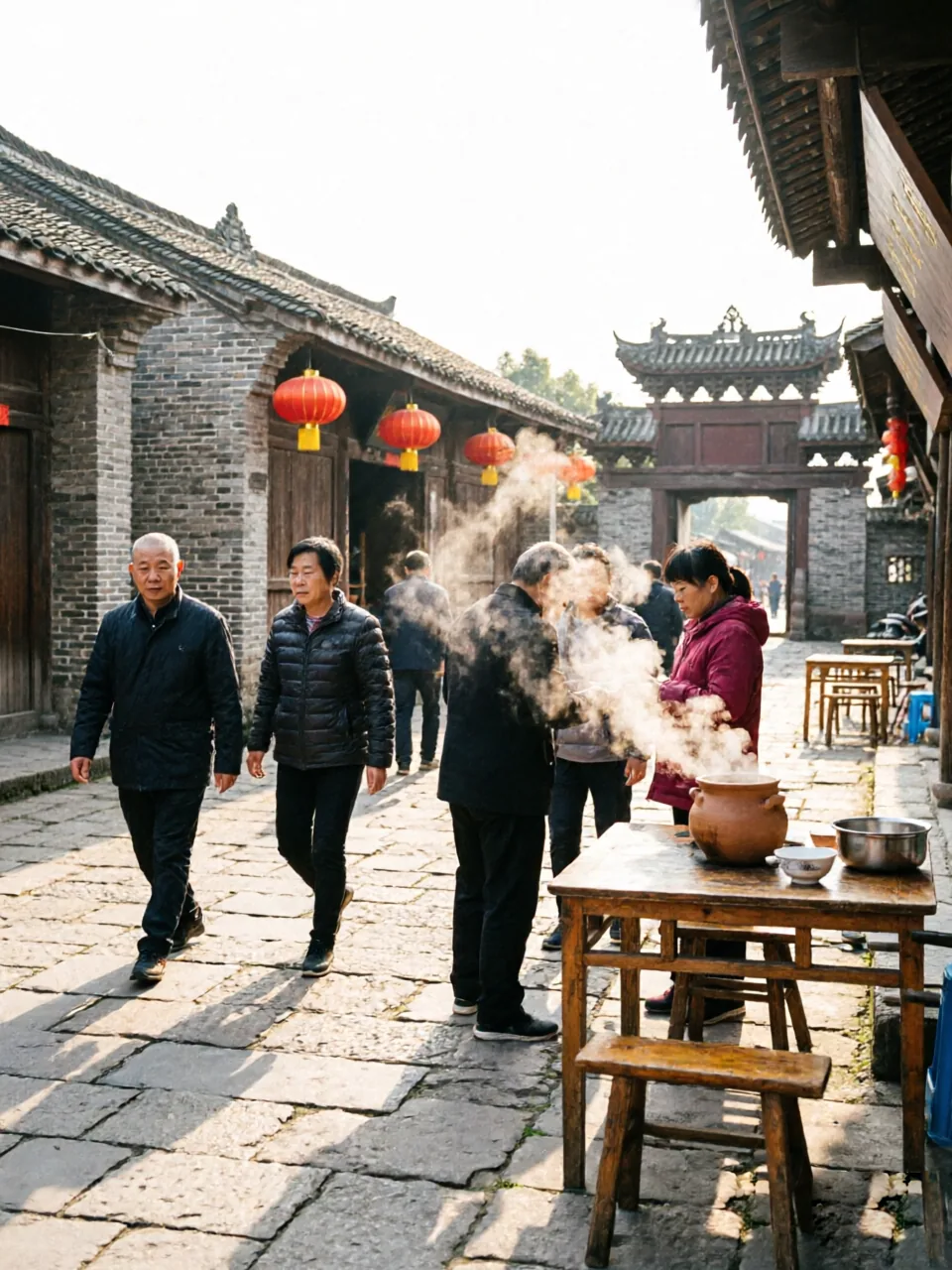
After the main hall, go to the left side courtyard. There is a small tea station run by a volunteer. The tea is free, but you can leave a small donation. This is where you will see the real social life of the temple. Old residents play chess on a stone table. A nun in grey robes sometimes feeds stray cats. Sit for fifteen minutes. This is not a break from the tour—this is the tour.
Now for the practical steps. Wear comfortable but modest clothing. Shoulders and knees should be covered. Bring cash for small donations and incense bundles—they cost about the equivalent of one dollar. Do not bring loud children unless they can stay calm for at least an hour. The temple has no dedicated parking; take a taxi or local bus to the West Hill Road stop, then walk eight minutes up the paved path. On the way up, notice the stone turtles on the left. There are seven of them, each with a different expression. One has a broken nose. Local children rub it for good luck on school exams. You can rub it too.
A common mistake is leaving too early. The best moment at Edeng Temple happens around 11:30 AM, when the morning crowd clears and the noon bell rings. The bell is small, almost unremarkable, but its tone is unusually low and long. Stand near the old well when it rings. The sound resonates in the well shaft and creates a subtle vibration under your feet. That is the temple’s hidden highlight. No guidebook mentions it because you can only feel it if you are still there at that exact time.
Let me give you a concrete case example. A friend of mine, a photographer named Lina, visited Edeng Temple twice. The first time, she followed a standard online guide: arrived at 11 AM, took photos of every statue, and left by 12:30 PM. She said it was “nice but small.” A year later, she returned because she had heard about the noon bell from a local. This time she arrived at 8:45 AM, sat in the left courtyard for an hour, helped the volunteer refill tea cups, and stayed until 1 PM. She took fewer photos but later wrote that she finally understood the temple’s “emotional texture.” She noticed the way an elderly woman whispered to the scholar statue as if talking to an old friend. She saw a young couple write wishes on soft red paper and tie them to the courtyard tree. She felt the bell through her shoes. That second visit, she said, was not a tour—it was a conversation.
Do not forget to walk around the back of the temple. There is a narrow passage between the rear wall and the hill. It is easy to miss because it looks like a service path. But halfway along, you will find a small shrine no bigger than a phone booth. It honors a nameless gardener who maintained the temple grounds for fifty years. People leave single flowers there, not incense. That shrine alone tells you more about the temple’s character than any main hall.
Finally, leave the way you came, but pause at the outer archway again. Look back. The temple will look smaller from this angle, almost tucked into the hill like a folded hand. That is the point. Edeng Temple was never meant to impress from a distance. It was meant to hold you for a while, then let you go quietly. If you leave feeling calm and a little curious about the nameless gardener, you have visited it correctly.
(Just came back from Edeng Temple. The tip about the noon bell and the well is absolutely true. I felt the vibration and it gave me chills. Also, the tea station lady let me try a homemade sesame cookie. Incredible experience.)
(I almost missed the back passage with the gardener’s shrine. Thank you for mentioning it. I left a small wildflower. This guide saved my visit because I would have left after 20 minutes otherwise.)
(Is the scholar-deity statue really missing three fingers? I couldn’t get close enough because someone was praying for a long time. Going back next week with your suggested timing.)
(Photographer here. The light quality at 9 AM inside the main hall is stunning. Low contrast, soft gold. The image prompt you wrote is almost exactly what I captured. Great eye.)
(Please add a warning: no flash photography near the old well. A tourist used flash and the nun politely but firmly asked them to leave that area. Respect the rules.)
Visit Edeng Temple slowly, observe the small details, and stay for the noon bell—that is the real experience.
SlowTravel Temple Travel Guide


5 Comments
Anonymous
25/06/2026
Please add a warning: no flash photography near the old well. A tourist used flash and the nun politely but firmly asked them to leave that area. Respect the rules.
Anonymous
24/06/2026
I almost missed the back passage with the gardener’s shrine. Thank you for mentioning it. I left a small wildflower. This guide saved my visit because I would have left after 20 minutes otherwise.
Anonymous
24/06/2026
Just came back from Edeng Temple. The tip about the noon bell and the well is absolutely true. I felt the vibration and it gave me chills. Also, the tea station lady let me try a homemade sesame cookie. Incredible experience.
Anonymous
24/06/2026
Photographer here. The light quality at 9 AM inside the main hall is stunning. Low contrast, soft gold. The image prompt you wrote is almost exactly what I captured. Great eye.
Anonymous
24/06/2026
Is the scholar-deity statue really missing three fingers? I couldn’t get close enough because someone was praying for a long time. Going back next week with your suggested timing.