

How to Explore Europe’s Scenic Beauty: A Traveler’s Guide
Practical Travel Tips
Govoyagenow
Traveling through Europe is an unforgettable experience, but with so many destinations, it’s easy to feel overwhelmed. The key to a successful trip lies in planning ahead, understanding the region’s unique attractions, and making the most of your time. This guide offers a clear, step-by-step approach to help you discover Europe’s scenic beauty without the stress of last-minute decisions. Whether you’re a first-time traveler or a seasoned adventurer, this guide will equip you with the tools you need to explore Europe like a local.

Europe is a continent of breathtaking landscapes, from the rolling hills of Tuscany to the dramatic cliffs of the Scottish Highlands. However, with so many options, it’s easy to feel lost. The solution is to focus on a specific region or theme that aligns with your interests. For example, if you love nature, consider a road trip through the French Riviera or a hiking adventure in the Austrian Alps. If you’re drawn to history, a journey through medieval castles in Germany or ancient ruins in Greece could be perfect. By narrowing your focus, you’ll avoid the overwhelm of too many choices and create a more meaningful experience.
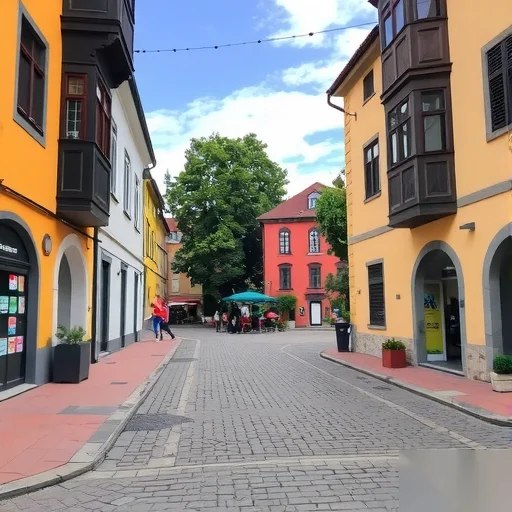
Understanding the cultural and historical context of each destination enhances your travel experience. Europe is rich in history, and many of its most beautiful landscapes are intertwined with centuries-old stories. For instance, the vineyards of Bordeaux are not just scenic—they’re also a testament to centuries of wine-making tradition. Similarly, the Gothic architecture of Prague’s Old Town reflects the city’s medieval past. By learning a bit about the history and culture of each place, you’ll gain a deeper appreciation for the landscapes you’re exploring. This knowledge also helps you navigate local customs and make the most of your visit.

Planning your trip requires more than just choosing a destination—it involves careful consideration of logistics, timing, and personal preferences. Start by setting a budget, researching the best time to visit, and booking accommodations in advance. If you’re traveling with a group, coordinate schedules and activities to ensure everyone is on the same page. For solo travelers, consider joining guided tours or local experiences to meet fellow adventurers. Additionally, use travel apps to plan routes, find the best local eateries, and stay informed about weather conditions. A well-organized itinerary allows you to relax and enjoy the journey without the stress of last-minute decisions.
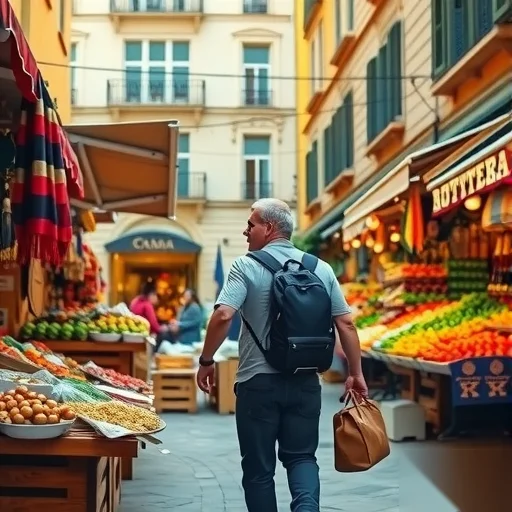
To illustrate how this approach works, let’s look at a real-life example. Imagine planning a trip to Italy. Instead of trying to visit every city in a short period, focus on one region—say, Tuscany. Research the best time to visit, book a countryside villa, and plan a few key activities like wine-tasting in Chianti or exploring the ruins of San Gimignano. This focused approach allows you to immerse yourself in the local culture, savor the scenery, and create lasting memories. By following this method, you’ll avoid the pitfalls of a rushed or chaotic trip and instead enjoy a more meaningful and enjoyable experience.



3 Comments
Anonymous
28/05/2026
The images are beautiful and really helped me visualize the places I want to visit. Great job on the layout too!
Anonymous
28/05/2026
The tips on focusing on a specific region are spot on. I’m going to try the Tuscany route next time. Can’t wait!
Anonymous
28/05/2026
This guide is so helpful! I’ve been planning a trip to Europe for months and this really clarified how to approach it without feeling overwhelmed. Thanks!