
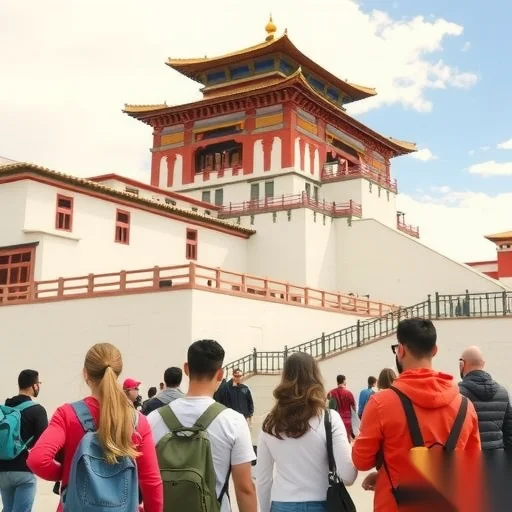
How to Plan a Perfect Tibet Travel Itinerary from Yiwu?
China Travel Guide
Govoyagenow
Going on a trip to Tibet from Yiwu? You’re not alone. Many travelers face the same challenge: how to plan a seamless and unforgettable Tibet travel itinerary from Yiwu without the stress of logistics, cultural misunderstandings, or language barriers. The answer lies in careful planning, understanding the unique aspects of Tibet, and leveraging Yiwu’s advantages as a trade and logistics hub. With the right approach, your Tibet journey can be smooth, safe, and deeply rewarding.
Tibet is a destination that requires more than just a flight ticket. Its high altitude, unique culture, and strict regulations mean that a well-structured itinerary is essential. Yiwu, known as the “world’s largest small commodity market,” offers a strategic starting point for travelers heading to Tibet. Its proximity to major transportation hubs and its role in connecting international trade make it an ideal departure point. However, without proper planning, even the best intentions can lead to missed opportunities or unnecessary stress.
The key to a successful Tibet travel itinerary from Yiwu lies in three core principles: understanding the logistics, respecting the culture, and preparing for the altitude. First, logistics. Yiwu has well-established connections to major cities like Chengdu and Lhasa, making it easier to access Tibet. However, the journey itself is not without its challenges. You’ll need to consider the best mode of transportation—whether by train, bus, or flight—and ensure you have the necessary permits, such as the Tibet Travel Permit and Alien’s Travel Permit. These documents are essential for entry and can be arranged through local agencies or directly with the Tibet Tourism Bureau.
Second, cultural sensitivity. Tibet is a region with a rich and distinct culture, and respecting local customs is crucial. From the way you dress to the way you interact with locals, every detail matters. For example, it’s important to avoid sensitive topics like politics and to dress modestly, especially when visiting monasteries or religious sites. Learning a few basic Tibetan phrases can also go a long way in building rapport with the locals and enhancing your travel experience.
Third, altitude preparation. Tibet is known for its high altitude, and acclimatization is essential to avoid altitude sickness. Travelers should plan for a gradual ascent, allowing time to adjust to the thin air. It’s also important to carry medications like Dexamethasone and to stay hydrated. Many travelers choose to start their journey in Lhasa, the capital, before venturing to other regions like Everest Base Camp or Mount Kailash.
Let’s look at a real case example. A group of travelers from Yiwu planned their Tibet trip with careful consideration of these principles. They booked a guided tour through a local agency that provided all necessary permits and arranged transportation. They started in Lhasa, allowing two days for acclimatization, then moved on to the Potala Palace, Jokhang Temple, and the Salar Lake. Their itinerary included a visit to the Everest region, where they stayed in a local homestay and experienced Tibetan hospitality firsthand. By following a structured plan and respecting local customs, they were able to fully enjoy their trip without any major issues.
In addition to these principles, there are several practical steps you can take to ensure a smooth trip. First, book your permits and transportation in advance. This will save you time and stress, especially during peak travel seasons. Second, pack wisely. Bring comfortable clothing for the high altitude, a good pair of hiking shoes, and essential medications. Third, consider hiring a local guide. They can provide valuable insights into the region’s history, culture, and hidden gems that you might otherwise miss.
Another important aspect is the timing of your visit. Tibet is best visited between April and October, when the weather is more favorable. However, if you’re planning a winter trip, be prepared for colder temperatures and limited access to some areas. Also, be mindful of the local festivals. These are times when the region comes alive with cultural activities, but they can also mean larger crowds and stricter regulations.
For those traveling from Yiwu, there are several advantages. The city’s logistics network allows for efficient transportation to major hubs, and its vibrant market scene provides a unique opportunity to experience Chinese commerce and culture before heading to Tibet. However, it’s important to choose reliable travel agencies and avoid scams. Always verify the credibility of your tour operator and read reviews from other travelers.
Finally, be open to the experience. Tibet is a place of breathtaking landscapes, deep spirituality, and rich traditions. Allow yourself time to reflect and appreciate the journey. Whether you’re exploring the sacred mountains, visiting ancient monasteries, or enjoying the local cuisine, every moment in Tibet is an opportunity for growth and discovery.

{


2 Comments
Anonymous
10/05/2026
I've been looking for tips on traveling to Tibet from Yiwu, and this article seems like a great resource. Can't wait to see the itinerary!
Anonymous
09/05/2026
Planning a trip to Tibet from Yiwu can be overwhelming, but with the right guide, it's totally manageable. I'm excited to start my journey soon!