
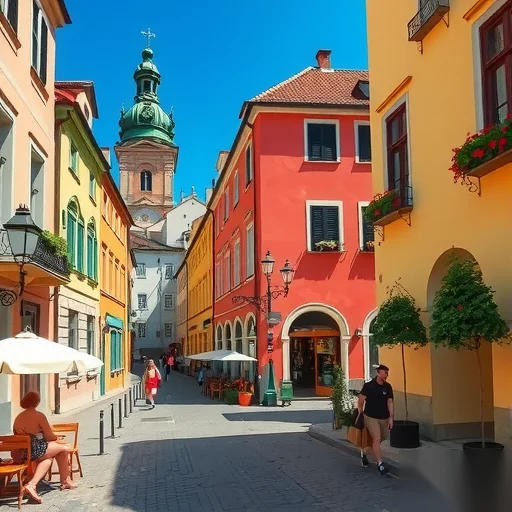
Why Travel to Eastern Europe in Summer? A Complete Guide to the Best Destinations and Tips
Practical Travel Tips
Govoyagenow

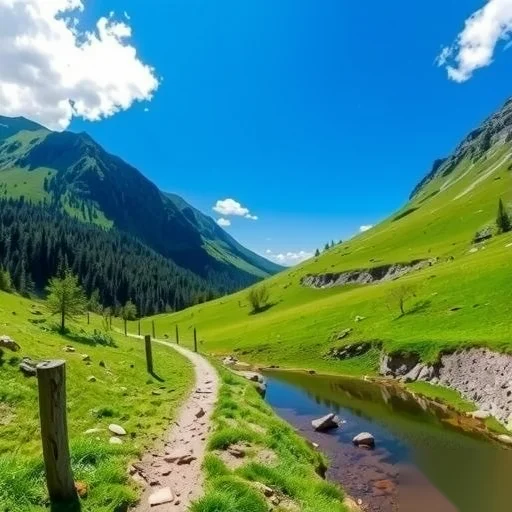
Summer in Eastern Europe is a hidden gem for travelers seeking a mix of rich history, stunning landscapes, and affordable adventures. If you’re wondering why you should consider Eastern Europe as your next summer destination, the answer is simple: it offers a unique blend of cultural depth, natural beauty, and budget-friendly travel options that are often overlooked by mainstream tourism. From the medieval charm of Prague to the tranquil beauty of the Carpathian Mountains, this region is perfect for those who want to explore beyond the usual tourist spots.
Planning a summer trip to Eastern Europe doesn’t have to be complicated. The key is to understand the region’s strengths and how to make the most of your time there. Unlike Western Europe, which is often crowded with tourists, Eastern Europe provides a more authentic experience with fewer crowds, lower prices, and a deep connection to history. Whether you’re interested in medieval architecture, outdoor adventures, or vibrant local culture, there’s something for every traveler.
To make the most of your summer in Eastern Europe, start by choosing the right destinations. Countries like Poland, Hungary, Czech Republic, and Romania offer a mix of historical sites, natural beauty, and affordable accommodations. For example, a visit to Kraków in Poland allows you to explore the remains of the Auschwitz-Birkenau concentration camp, while also enjoying the city’s Gothic architecture and delicious local cuisine. Similarly, Budapest in Hungary is a perfect blend of thermal baths, historic landmarks, and a lively nightlife.
Once you’ve chosen your destinations, it’s important to plan your itinerary with flexibility in mind. Summer in Eastern Europe means long days and warm weather, which is ideal for exploring both cities and rural areas. Start your trip in a major city like Prague or Budapest to get a feel for the culture and history, then move to smaller towns or natural parks for a more relaxed experience. Don’t forget to try the local food—Eastern European cuisine is rich in flavor and variety, from Polish pierogi to Hungarian goulash.
Transportation in Eastern Europe is also a major advantage. Trains are a cost-effective and scenic way to travel between cities, and many countries have well-connected rail networks. For example, a train ride from Budapest to Bratislava takes just over an hour and offers breathtaking views of the Danube River. Additionally, renting a car can be a great way to explore rural areas and hidden gems that aren’t easily accessible by public transport.
One of the best ways to experience Eastern Europe is through a well-planned case example. Imagine starting your trip in Prague, where you can wander through the Charles Bridge, visit the Prague Castle, and enjoy a traditional Czech beer at a local pub. From there, take a train to Kraków, where you can explore the Wawel Castle and the Jewish Quarter. Next, head to the Carpathian Mountains for a few days of hiking and relaxation, followed by a visit to Transylvania in Romania, where you can explore castles like Bran Castle and enjoy the natural beauty of the region. This kind of itinerary not only covers the highlights but also gives you a chance to experience the diverse culture and landscapes of Eastern Europe.
Another important aspect of summer travel in Eastern Europe is the weather. With long daylight hours and warm temperatures, you can make the most of your time outdoors. Whether you’re exploring the cobblestone streets of Tallinn, hiking through the forests of Slovenia, or soaking in the thermal baths of Budapest, the weather ensures that you can enjoy every moment of your trip.
While there are many benefits to traveling in Eastern Europe, it’s also important to be aware of some common challenges. Language barriers can be a concern, but many people in tourist areas speak English, especially in cities. Additionally, while the region is generally safe, it’s always wise to take basic precautions, such as keeping your belongings secure and being mindful of your surroundings.
Overall, summer in Eastern Europe is a fantastic time to travel, offering a mix of history, culture, and natural beauty that is both enriching and unforgettable. With careful planning and a bit of curiosity, you can create a memorable journey that highlights the best of this lesser-known but incredibly rewarding region.



2 Comments
anonymous
26/04/2026
This guide was super helpful in planning my first Eastern Europe trip. I followed the itinerary and it turned out to be one of the best trips I’ve ever taken. Thanks for the tips!
anonymous
25/04/2026
I just returned from a trip to Budapest and Prague, and it was absolutely amazing! The architecture and food were incredible, and the prices were way lower than I expected. Definitely recommend!