Xishuangbanna Trip Planning: The 4-to-6-Day Strategy That Solves Most Traveler Mistakes
Travel Insights
Govoyagenow
Planning a trip to Xishuangbanna becomes far more manageable when you treat it as a structured problem-solving exercise rather than a vague bucket-list project. The core conclusion is this: allocate four to six days, prioritize early mornings and late evenings for the most photogenic and culturally immersive experiences, and pre-book accommodation near the main riverfront and night-market areas to cut down on transit time. Most common travel failures here stem from underestimating the tropical heat, arriving too late to see wildlife or temple courtyards, and treating the region as a single-day detour instead of a multi-day destination.
This guide breaks down the causes of poor trip outcomes, the practical steps that fix them, the risks that remain even with a solid plan, and the actionable advice you can apply before you fly. If you follow the sequence below, you will save money on last-minute bookings, reduce the chance of missing key sights, and return home with a trip that feels purposeful rather than rushed.

Why Most Xishuangbanna Itineraries Fail
The primary cause of a disappointing trip is duration mismatch. A single day is rarely enough to experience the blend of tropical gardens, ethnic minority villages, riverfront markets, and wildlife encounters that define this destination. Travelers who compress everything into forty-eight hours often leave feeling they barely scratched the surface, because the region rewards four to six days of pacing. Adding two to three extra days gives you meaningful options: you can revisit a favorite garden, catch a second sunrise at a temple, or slow down long enough to genuinely interact with local vendors rather than photographing them from a distance.
A second common failure is timing. Many visitors arrive at major attractions during peak midday heat, when temperatures can climb well above thirty degrees Celsius and crowds are thickest. The result is fatigue, dehydration, and poor photo quality. The fix is structural: schedule your most physically demanding activities for early morning or late afternoon, and reserve the hottest hours for indoor meals, rest, or hotel downtime. This single adjustment transforms the comfort level of the entire itinerary.
How to Plan a Trip to Xishuangbanna in Five Practical Steps
First, lock in your travel dates and total duration. Four days is the realistic minimum;
six days is the comfortable target. Book your flights or long-distance train connections early enough to secure reasonable fares, and confirm that your arrival and departure times do not waste a full day in transit. Second, choose your base strategically. Staying near the riverfront and the main night-market district minimizes daily commuting and lets you explore on foot after dark, which is when the area feels most alive.
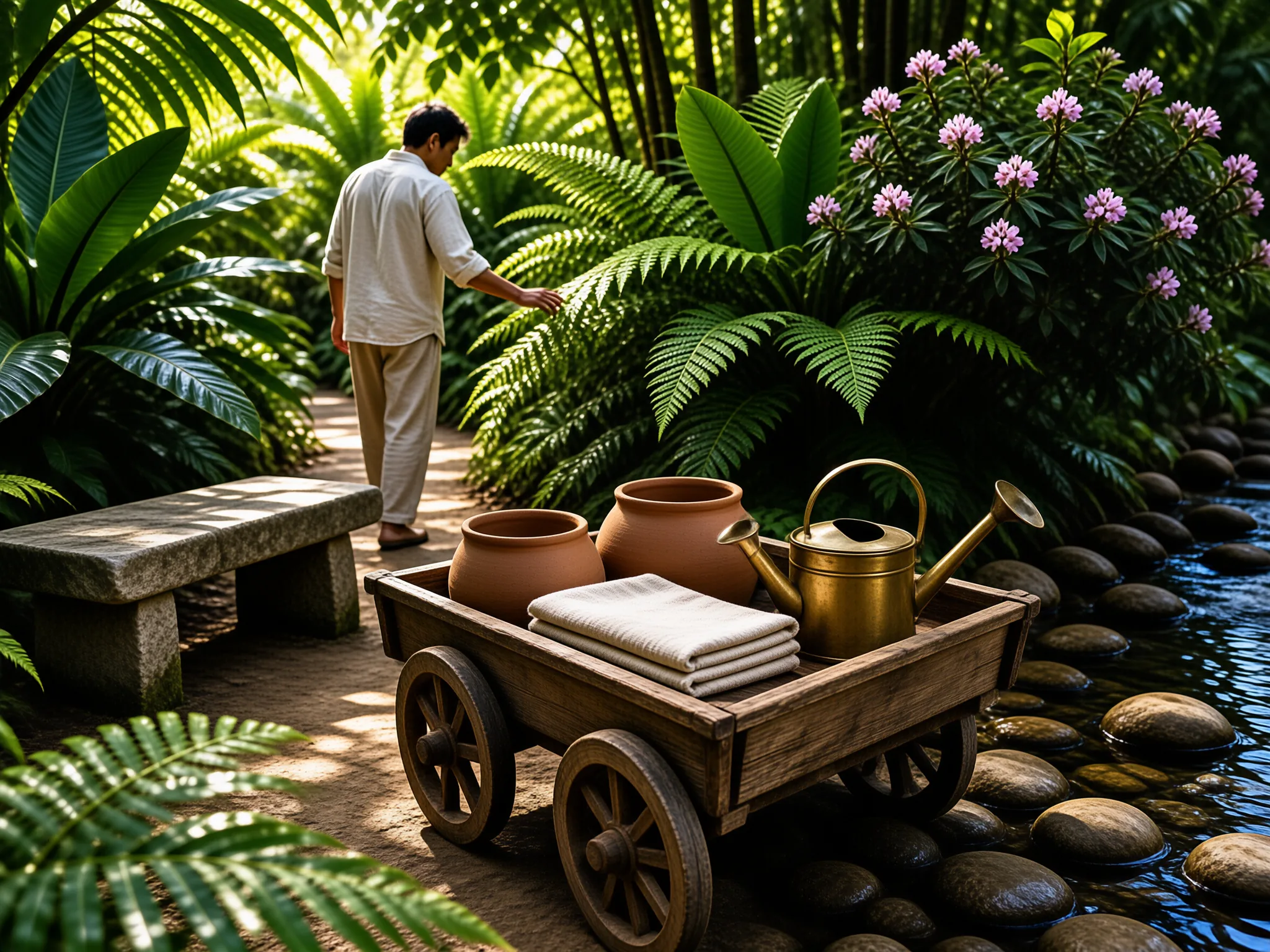
build your daily rhythm around light and temperature. Start each day at a temple or garden before the sun rises fully, then retreat indoors during the midday heat, and return outside for evening markets or river walks.
pre-book any guided experiences that involve transportation into rural villages or wildlife reserves, because availability fluctuates and last-minute arrangements often cost more. Finally, pack for the climate: breathable clothing, strong insect repellent, sunscreen, a wide-brimmed hat, and a compact umbrella for sudden tropical showers. These five steps eliminate the majority of avoidable travel friction.
What Are the Real Risks You Should Plan Around?
The most significant risk is health-related. The tropical climate means high humidity, strong sun exposure, and active insect populations, all of which can turn a fun day into an unpleasant one if you are unprepared. Carry electrolyte tablets or oral rehydration salts, drink more water than feels necessary, and apply repellent before you leave your accommodation each morning. A second risk is over-scheduling. It is tempting to pack every attraction into a single day, but the cumulative effect is exhaustion that makes later experiences feel hollow rather than enriching. Build in at least one half-day with no fixed plans so the trip retains breathing room.
A third risk is transportation misjudgment. While the main city center is walkable, excursions to gardens, villages, and wildlife areas require pre-arranged transport, and local ride-hailing services may not reach remote locations reliably. Confirm pickup times and meeting points in writing before you depart. Finally, be cautious with food vendors at night markets: while the street food is often excellent, choose stalls with high turnover and visible cooking, and avoid raw or undercooked items if you have a sensitive stomach.
How Do You Maximize Cultural and Natural Experiences in Limited Days?
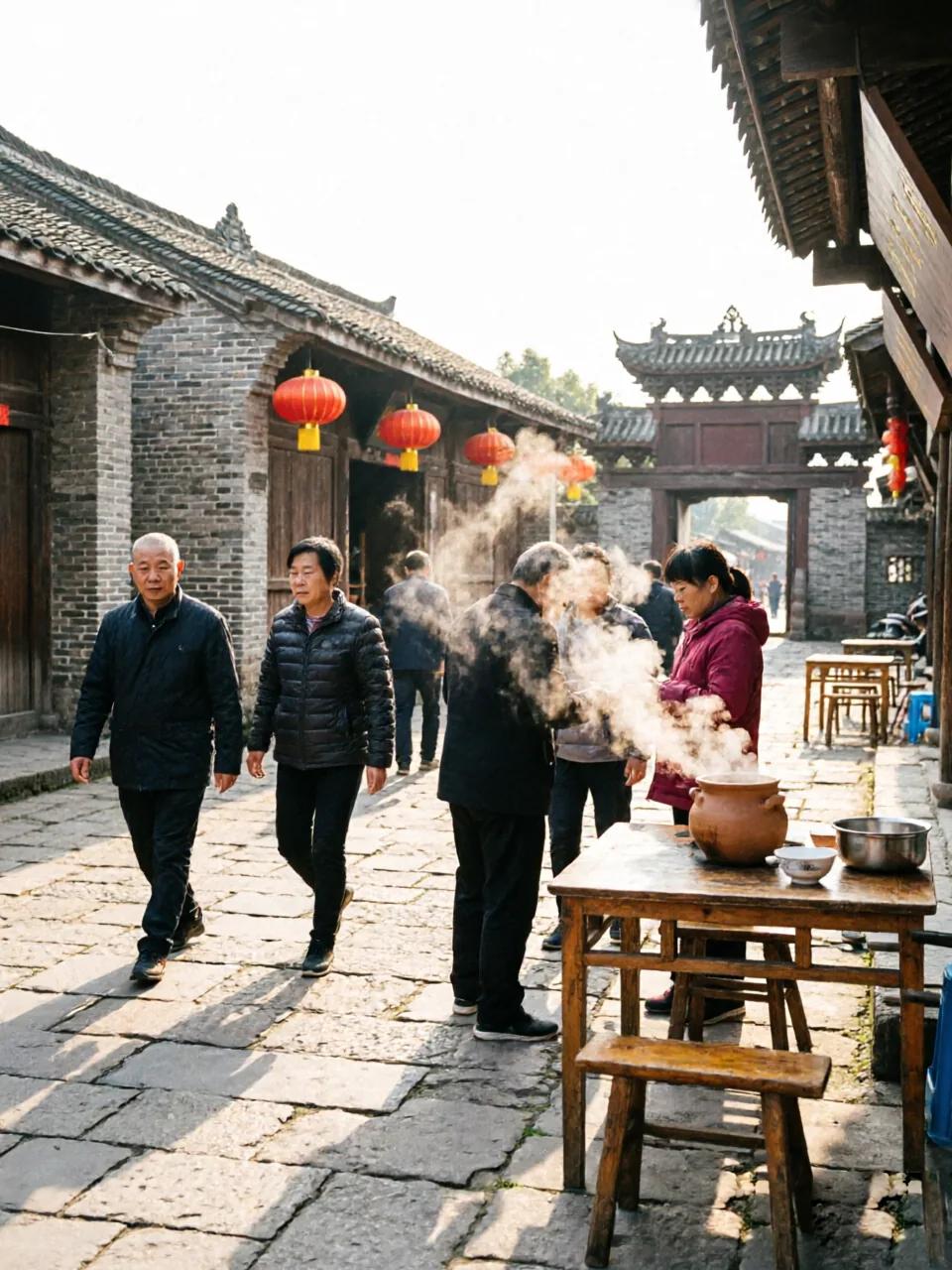
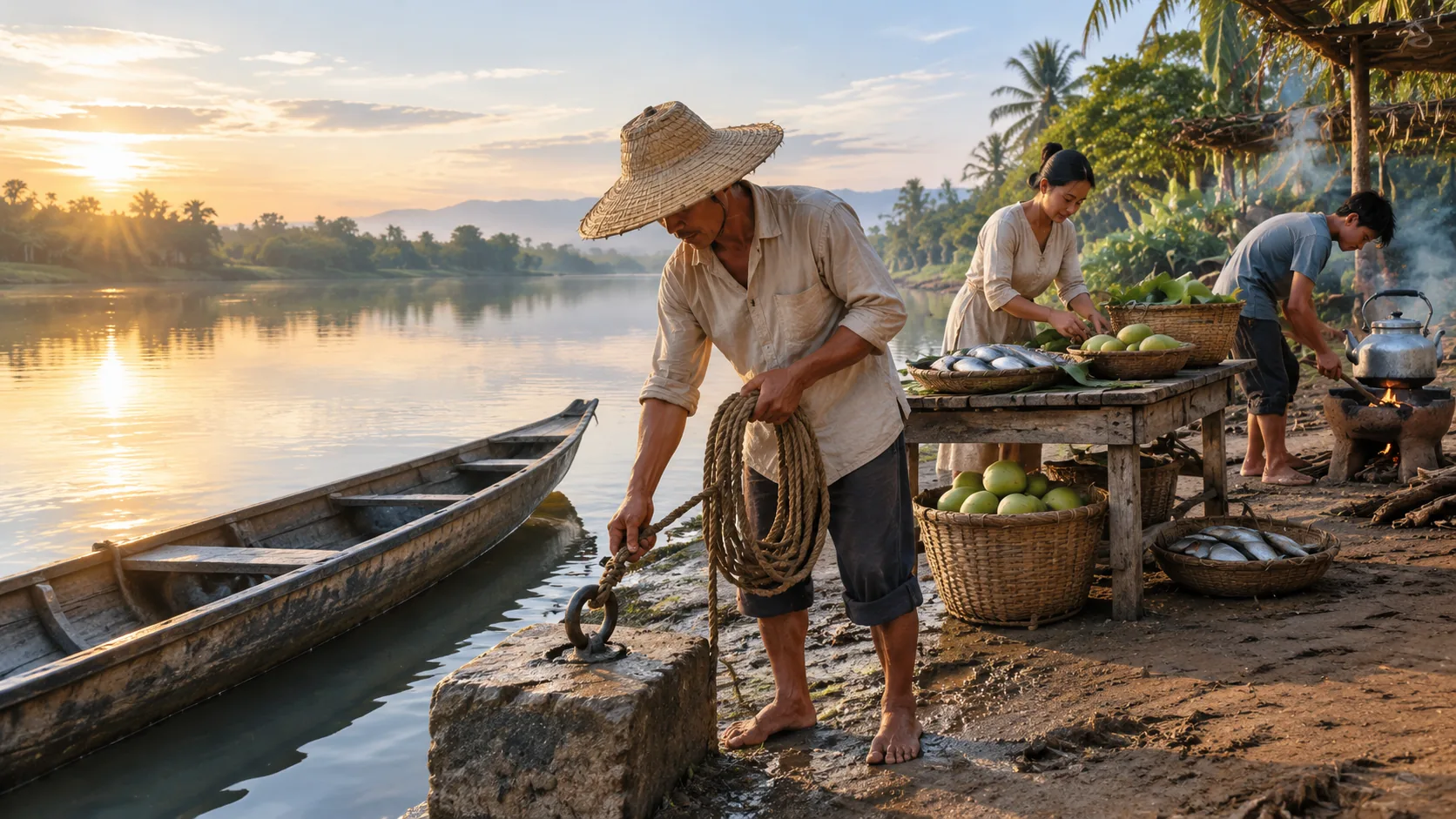
The answer is to prioritize depth over breadth. Rather than visiting eight sites superficially, select four or five and give each genuine time. Spend a full morning wandering an old botanical garden, allowing yourself to notice the plant diversity and the quiet paths between the larger exhibits. Visit a night market not just to shop but to eat, listen, and observe how the community gathers after dark. Take a scenic boat cruise along the river at sunset, when the golden light reflects off the water and the surrounding architecture glows. Each of these experiences is more memorable than a rushed checklist tour, and they fit comfortably within a four-to-six-day window.
For wildlife encounters, arrive at the earliest possible hour. Elephants and other animals are most active during cooler periods, and morning visits give you the best chance of observing natural behavior rather than staged performances. Pair this with a late-afternoon visit to a temple or pagoda, where the light is soft and the crowds have thinned. This rhythm of early exploration, midday rest, and evening immersion is the single most effective framework for a well-planned trip to this region.
Ultimately, planning a trip to Xishuangbanna is not about packing more into fewer hours;
it is about sequencing your time so that the heat, the crowds, and the logistics work for you rather than against you. By committing to the right duration, anchoring your schedule to natural light cycles, pre-booking transport for remote sites, and choosing depth over surface-level tourism, you create a travel experience that is both practical and genuinely rewarding. The steps above are not optional extras;
they are the structural decisions that separate a frustrating trip from one you will want to revisit.