After a Missed Dinner
Practical Travel Tips
Govoyagenow
Struggling to find authentic food guide-worthy places is usually not about lack of information;
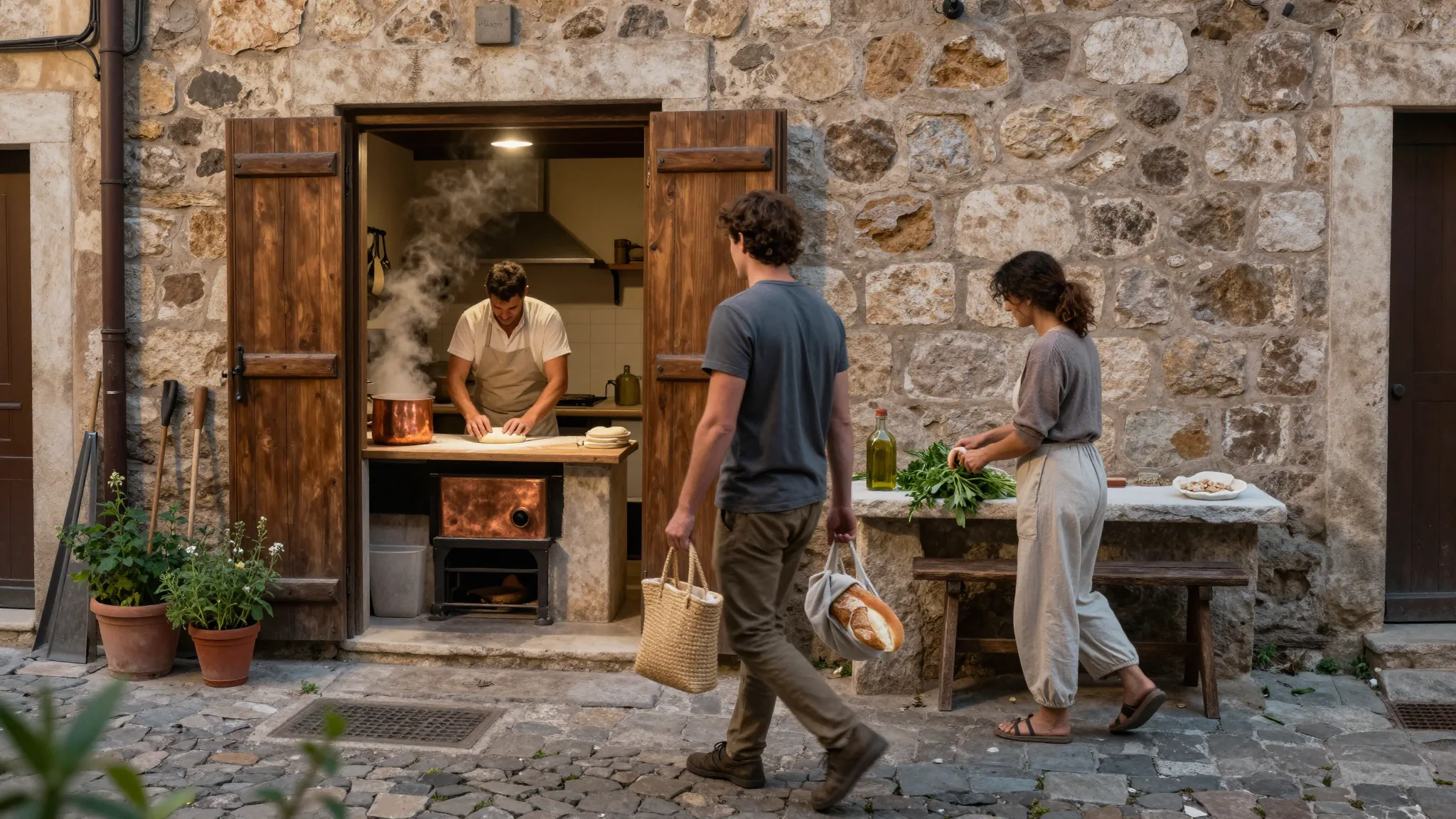
it is about information overload, misleading ratings, and menus designed for tourists rather than locals. The practical fix is to treat restaurant discovery like a short investigation: define what “authentic” means for the meal you want, gather evidence from multiple angles, and then verify it on the street before you spend money.
This guide focuses on a repeatable routine for travelers who want local food without relying on flashy rankings, celebrity recommendations, or a single review site. The method is built around reducing guesswork, spotting red flags early, and making faster decisions when you are hungry, tired, or in a city where English is not the default.
Why Authentic Food Searches Fail More Than Travelers Expect
Most food searches fail because the traveler is looking for a single “best” answer instead of a pattern. A restaurant can have strong ratings and still serve a simplified version of a dish for international guests, or it can be excellent and still have a short review trail because locals do not always review online. Therefore, the first step is to stop asking, “Which place is the best?
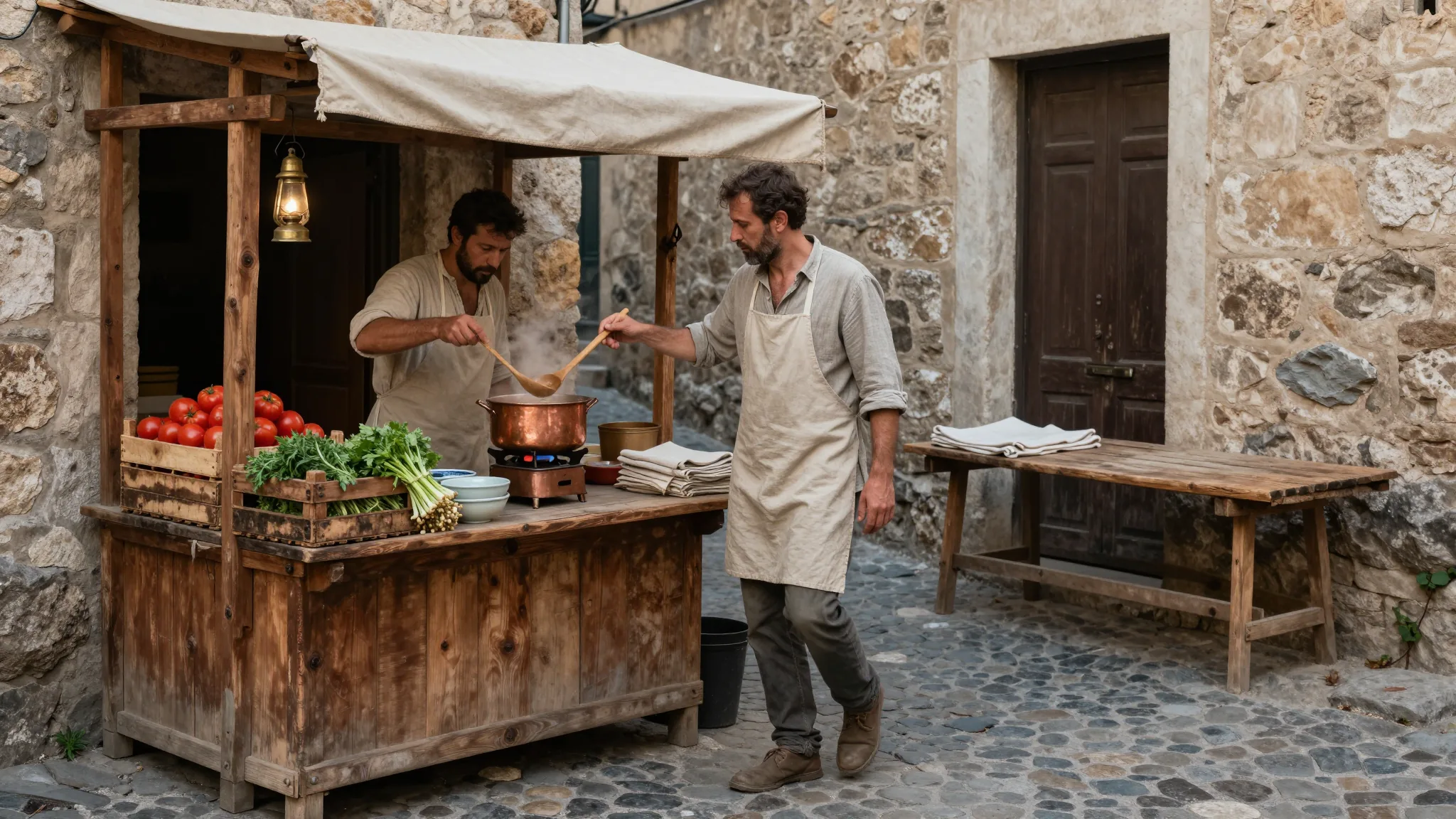
” and start asking, “Which places show consistent signs of being local, specific, and unforced?”
Another common cause is confusing popularity with authenticity. A busy restaurant near a major attraction may be convenient, but convenience is not the same as local preference. Tourist-facing menus often feature broad comfort dishes, English-only explanations, and prices that do not match what nearby residents pay. The result is not always bad food, but it is often food that has been adjusted for recognition rather than rooted in the local eating habits you came to experience.
A Practical Search Routine That Works Before You Arrive
Before you arrive, build a short list instead of a long list. Pick three or four neighborhoods where residents live, work, or gather, and then search for restaurants inside those areas rather than around famous landmarks. Write down the specific dishes you want to eat in your phone notes or a notebook, including local names if you know them, so you can recognize them quickly once you are standing in front of a menu.
Next, cross-check each candidate from at least two different angles. One angle can be a food blog or travel article that explains the neighborhood and the dish. Another angle can be a community-driven recommendation from a platform where real people, such as chefs, food writers, or regular diners, are credited by name for their suggestions. The goal is not to find a perfect score;
the goal is to find converging evidence that the place is recommended by people who actually eat there.
How to Verify Authenticity on the Street in Under Ten Minutes
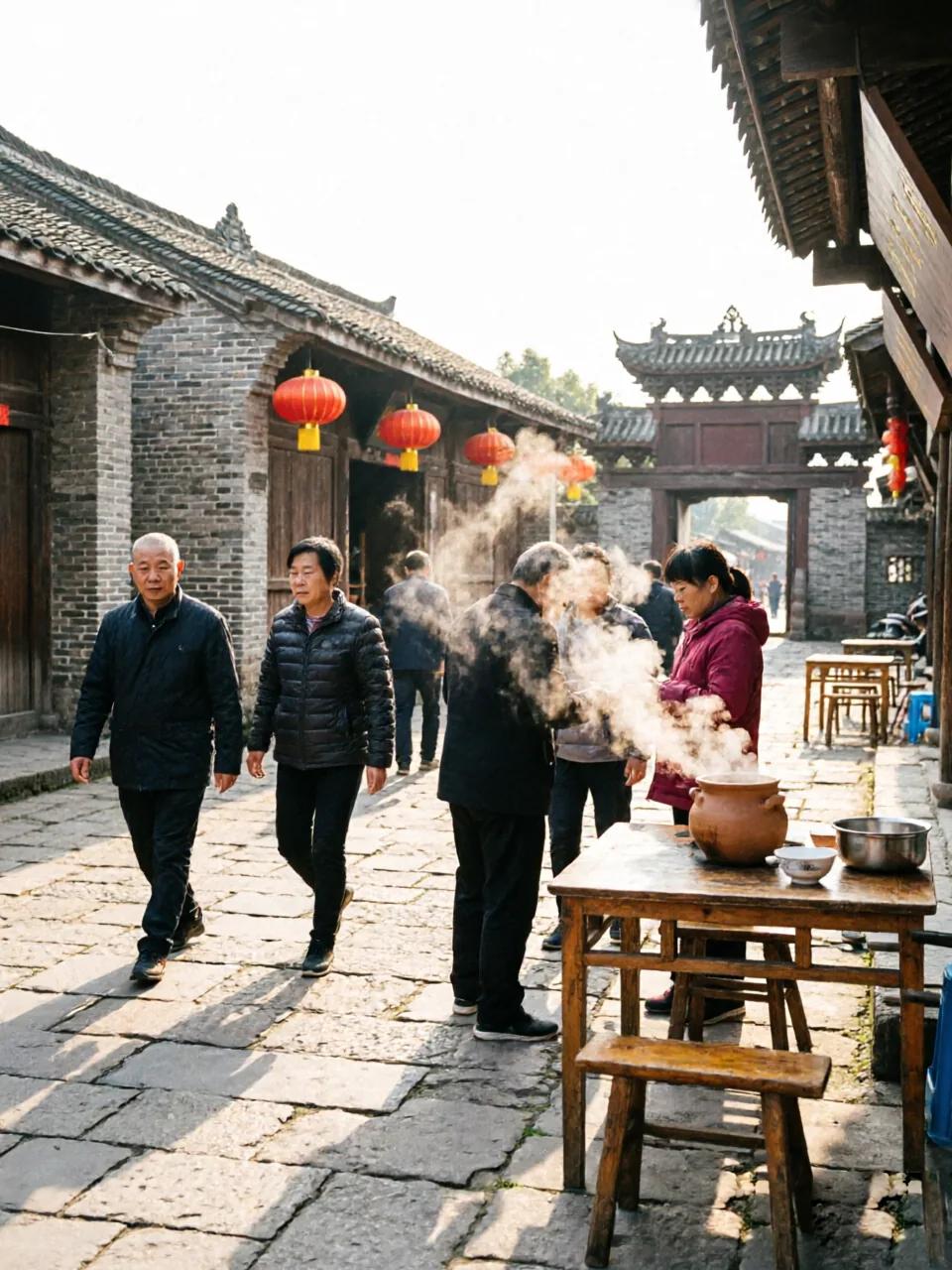
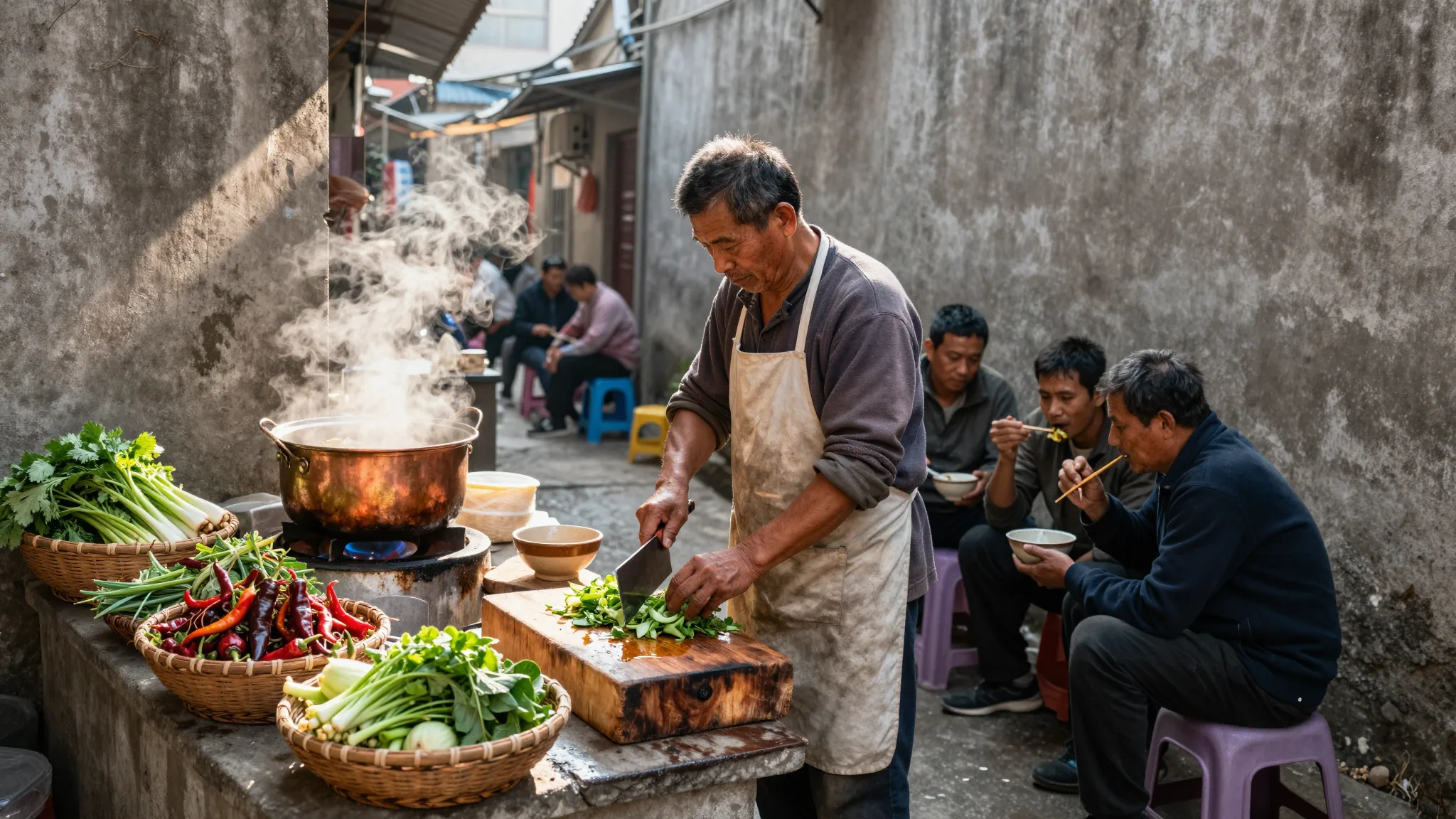
When you arrive at a neighborhood, do not trust the first restaurant you see. Walk a few blocks and observe who is entering and leaving. A strong signal is a steady flow of locals, including families, workers on break, and regulars who do not appear to be taking photos of the entrance. A weak signal is a crowd of people who all arrived at the same time, look like first-time visitors, and are waiting for table service near a major attraction.
Then inspect the menu and the room. Authentic places often have a focused menu, local language first, and dishes that reflect regional ingredients or seasonal availability. Red flags include a very long menu with global comfort dishes, aggressive photo tables, and staff who push you toward a “special” that looks designed for tourists. If the price feels high compared with the portion size and the neighborhood, treat that as a caution sign rather than proof of quality.
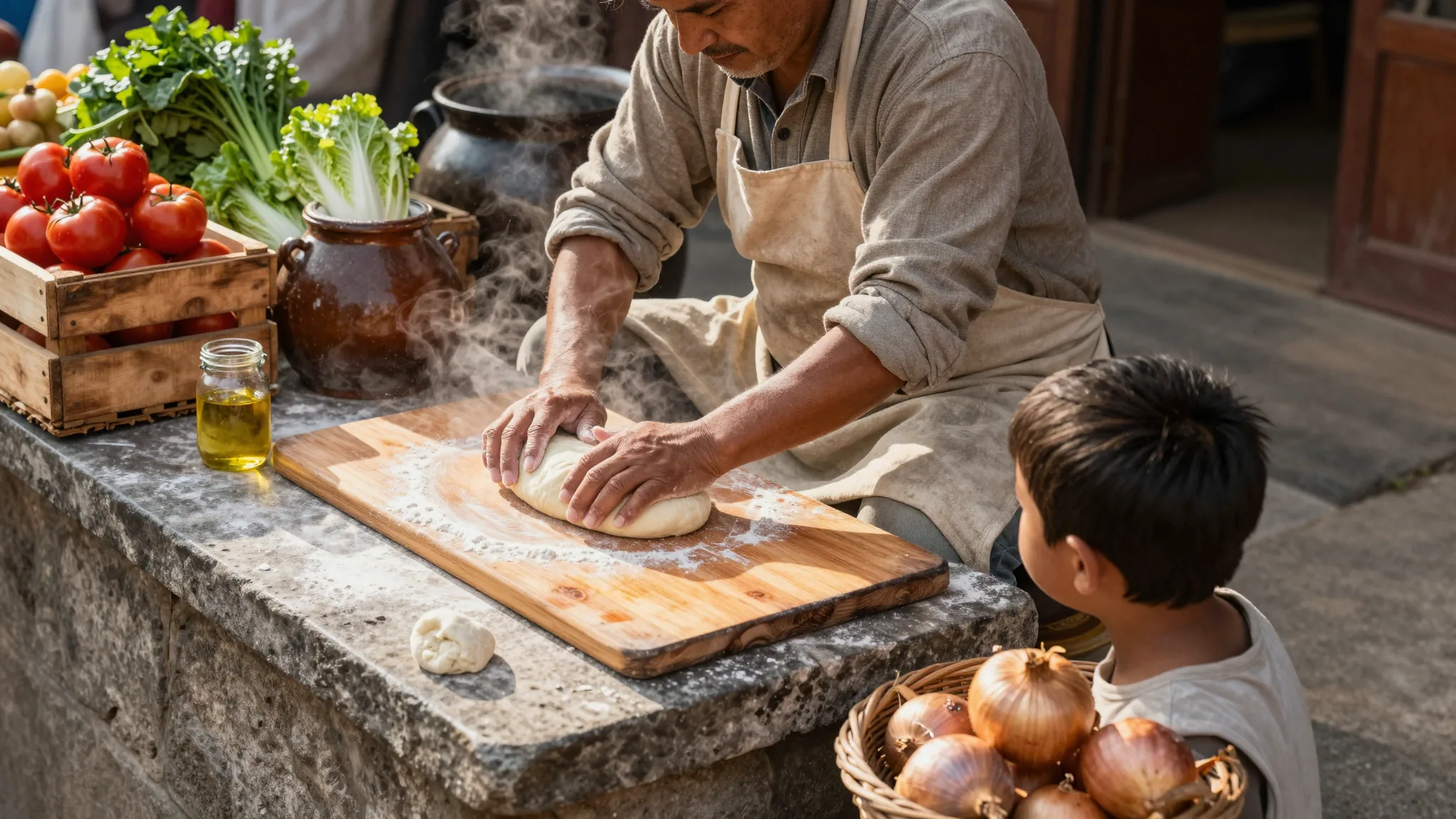
What Are the Biggest Risks When You Chase Authentic Food?
The biggest risk is not a bad meal;
it is wasted time and energy. Travelers often spend too long searching, comparing, and second-guessing, and by the time they decide, they are too tired to enjoy the food. The second risk is over-trusting a single source. One glowing review, one influencer post, or one highly rated listing can be enough to send you to a place that does not match the local reality you were hoping for.
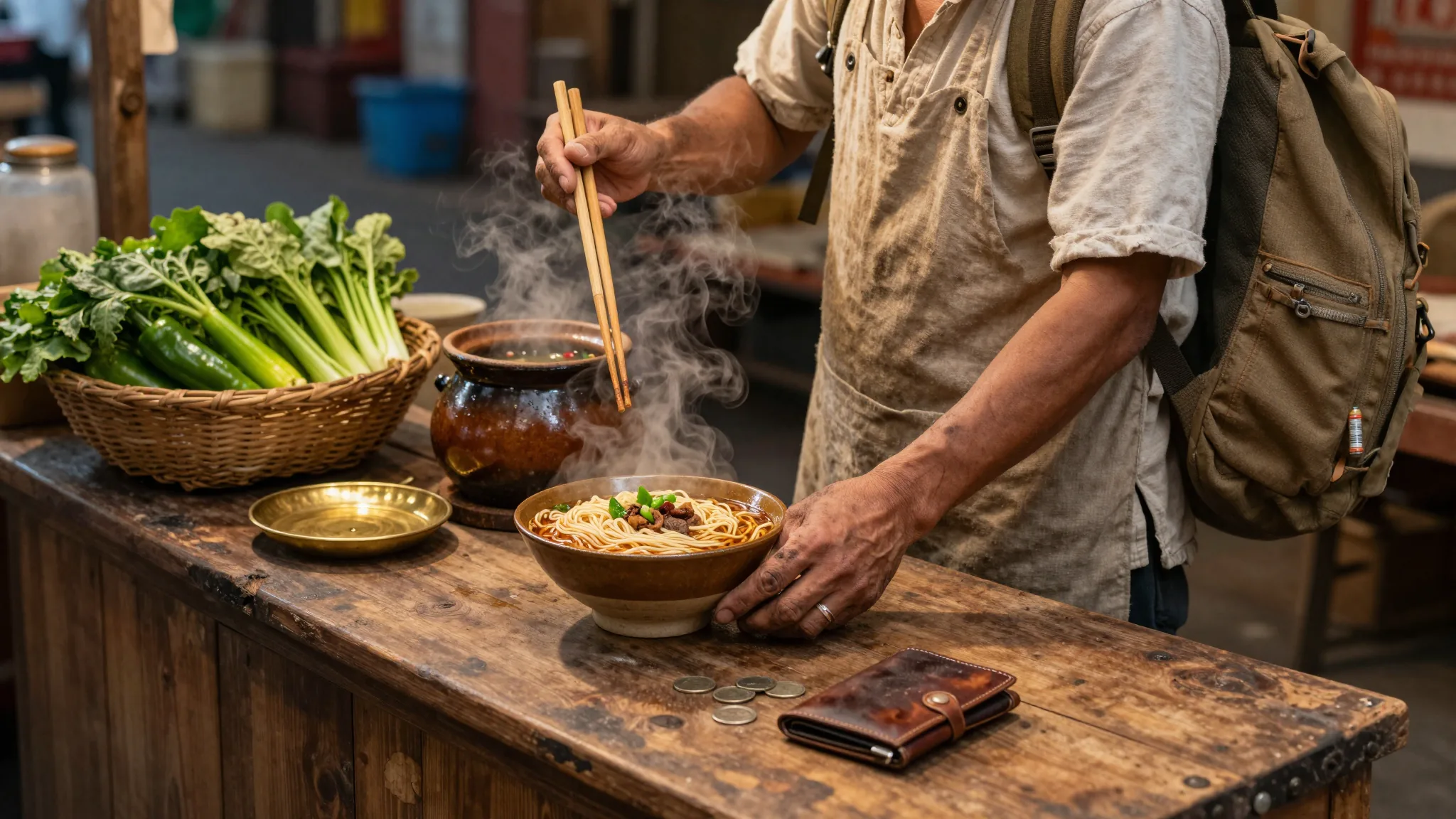
A third risk is expecting every authentic restaurant to be easy to navigate. Some excellent places are small, cash-only, closed on certain days, or slow during peak hours. That is not a flaw;
it is part of the local rhythm. The practical solution is to accept a little uncertainty, keep a backup option nearby, and stop treating the search as a competition to find the single perfect table.
How Do You Build a Better Food Guide Habit for Future Trips?
The best habit is to create a simple personal checklist before every trip. First, list the dishes you most want to try. Second, identify two or three neighborhoods that feel residential rather than purely tourist-focused. Third, save a few backup options within walking distance so you do not have to gamble on a single plan. Finally, record what worked after each meal: the neighborhood, the dish, the price range, and whether the place felt local or tourist-oriented.
Over time, this habit turns struggling to find authentic food guide-worthy places into a repeatable skill. You will stop chasing the loudest recommendation and start noticing the quieter signals that matter: the customer base, the menu focus, the local language, the price-to-portion balance, and the consistency of the place across different visits. That is how travelers move from random dining luck to a dependable method for finding meals that feel rooted, specific, and worth the effort.