Seven South Korea Travel Mistakes That Ruin First-Trip Comfort
Travel Insights
Govoyagenow
South Korea travel mistakes to avoid are often small decisions that compound into stress, wasted money, and missed experiences. The biggest patterns are overpacking a schedule, underestimating local etiquette, ignoring transit rules, and treating food service as if it worked everywhere the same way. If you fix these habits before departure, your trip becomes noticeably smoother and more enjoyable.
This guide focuses on practical fixes rather than vague warnings. Each section explains why the mistake happens, what risk it creates, and what you should do instead. The goal is simple: help first-time visitors move through this region confidently without relying on luck or last-minute improvisation.
Why Most South Korea Travel Mistakes to Avoid Are Really Planning Problems
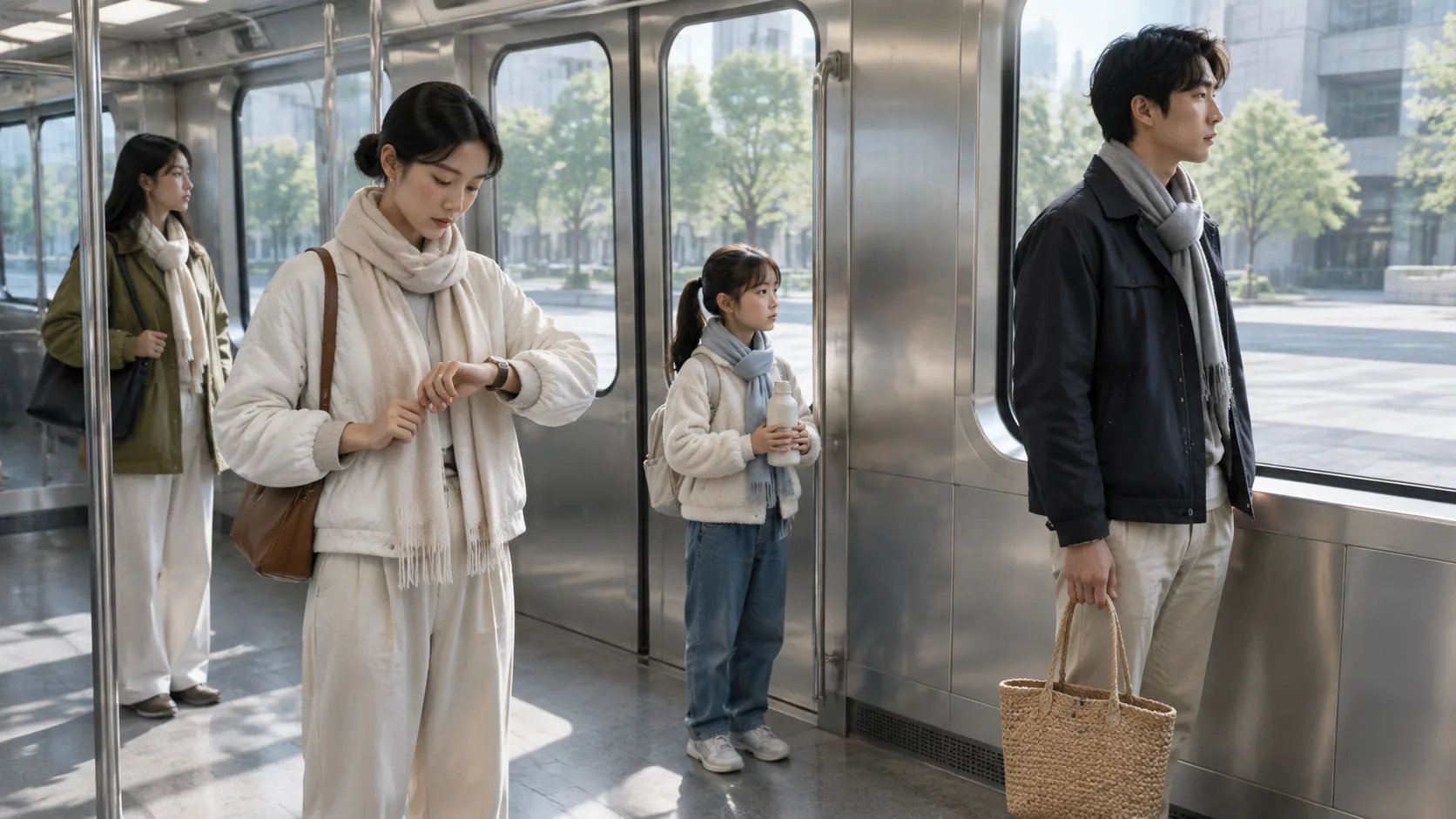
Many travelers assume that South Korea is easy to navigate because the infrastructure is modern and information is widely available. That assumption is partly true, but it hides a larger issue: convenience does not replace preparation. When visitors arrive with a vague itinerary, they often end up spending valuable time figuring out trains, ticketing, walking routes, and opening hours instead of experiencing the places they came to see.
The cause is usually poor sequencing. A common mistake is booking accommodations too close to a major station without checking whether the surrounding area matches the traveler’s actual priorities. Another is assuming that attractions will be open at every hour, especially near holidays, weekday evenings, and winter months. These are not dramatic failures, but they drain energy and make the trip feel rushed.
To avoid this, build the day backward from closing times, transit frequency, and walking distance. If a site closes early, place it first or remove it entirely. If a neighborhood requires long transfers between stops, group the visits differently. Practical planning is not about rigidity;
it is about reducing unnecessary friction so the trip feels controlled rather than reactive.
What Goes Wrong With Etiquette, Food, and Public Space Habits?
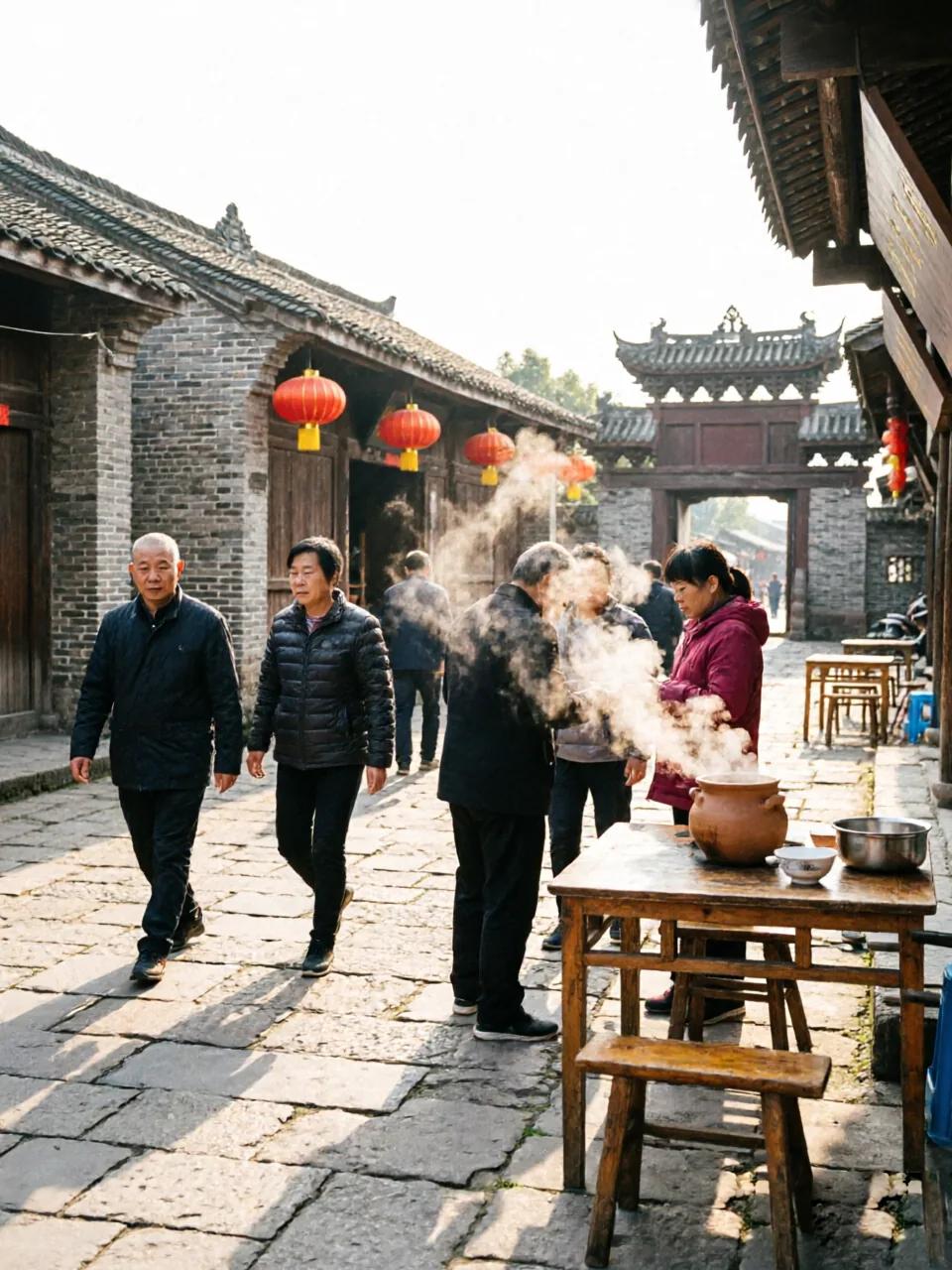
South Korea travel mistakes to avoid include ignoring local social norms that are not always obvious to first-time visitors. In restaurants, for example, many travelers expect to sit down immediately after being seated, but in some settings the host or staff may wait for everyone in the group to arrive before serving. In elevators and public transit, standing position, queueing style, and volume levels can feel different from what visitors are used to.
These differences matter because they affect how comfortable you feel and how others perceive your behavior. A traveler who shouts across a crowded train car, eats while walking in a busy pedestrian zone, or leaves a table messy without acknowledging the staff may not break any law, but the experience becomes less pleasant for everyone nearby. The risk is not punishment;
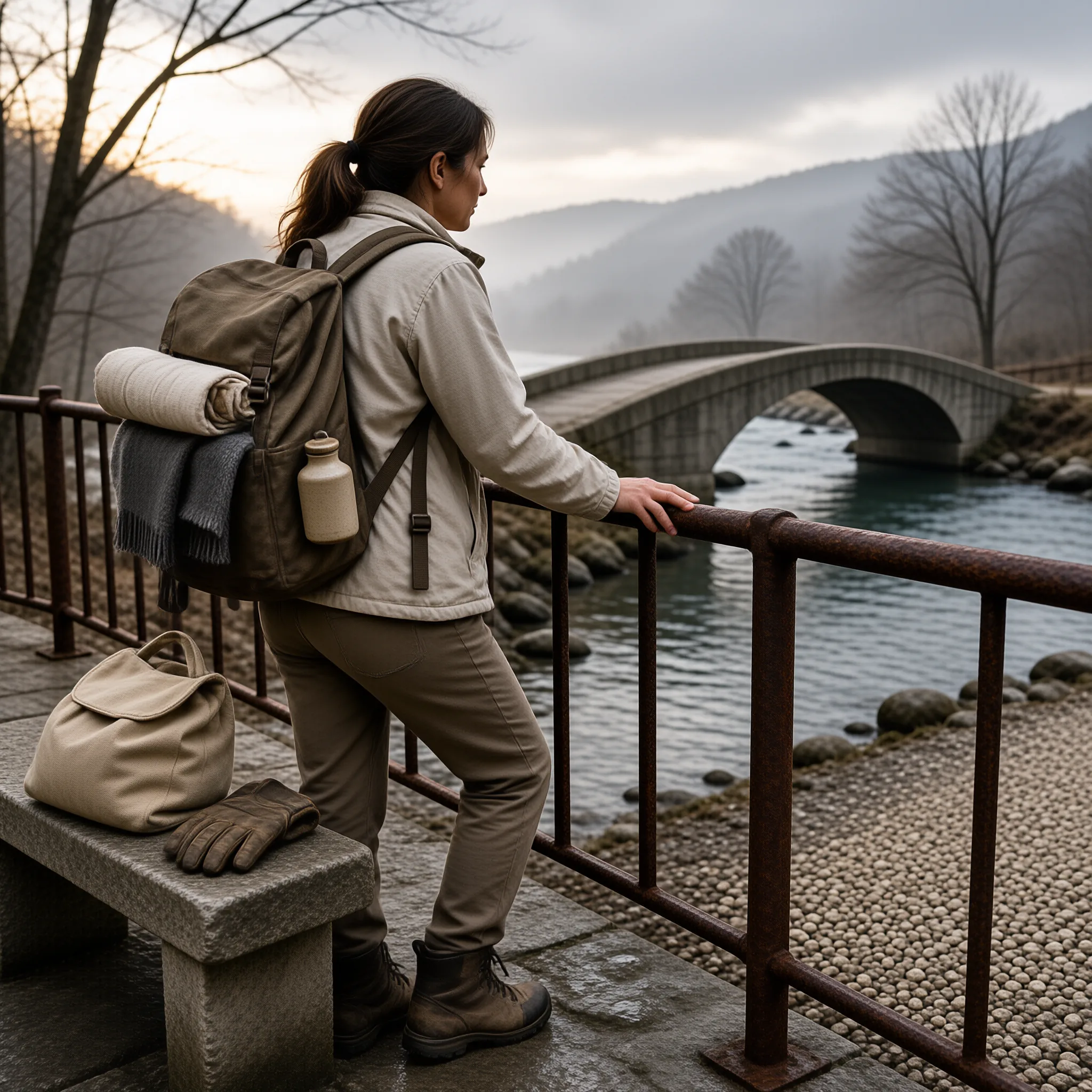
The fix is to observe before acting. Watch how locals queue, how staff take orders, how people handle bags on trains, and when dishes are brought to the table. If you are unsure, ask politely or follow the group around you. A few small adjustments in tone, posture, and timing can make interactions feel natural rather than forced.
How Do Transit, Tickets, and Timing Errors Cost Travelers the Most?
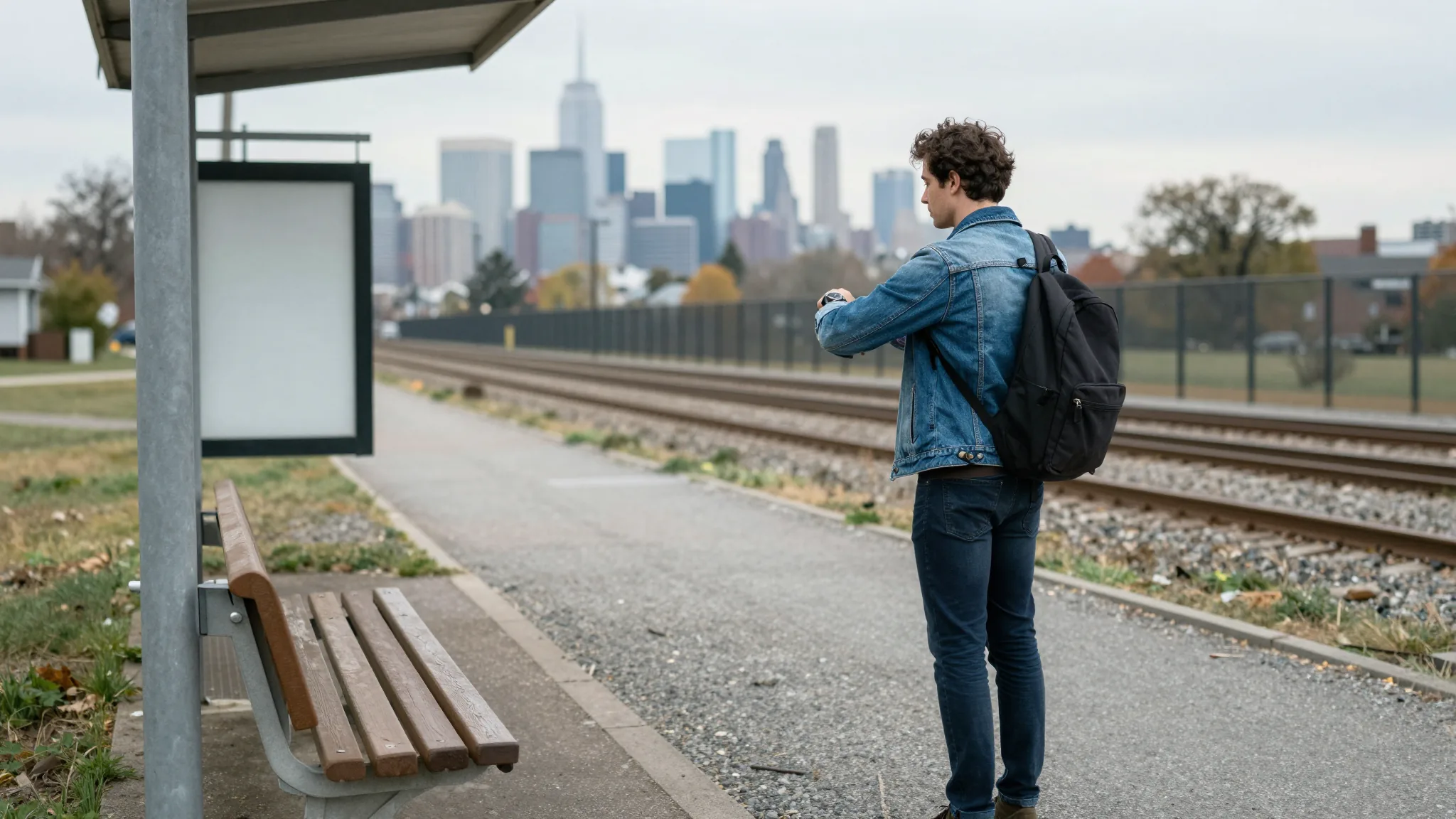
One of the most common South Korea travel mistakes to avoid is treating transit as a simple logistics detail instead of a core part of the plan. Visitors often underestimate transfer time, overestimate walking speed, and assume that ticketing systems are identical across modes of transport. The result is late arrivals, missed meals, and unnecessary stress during what should be a straightforward journey.
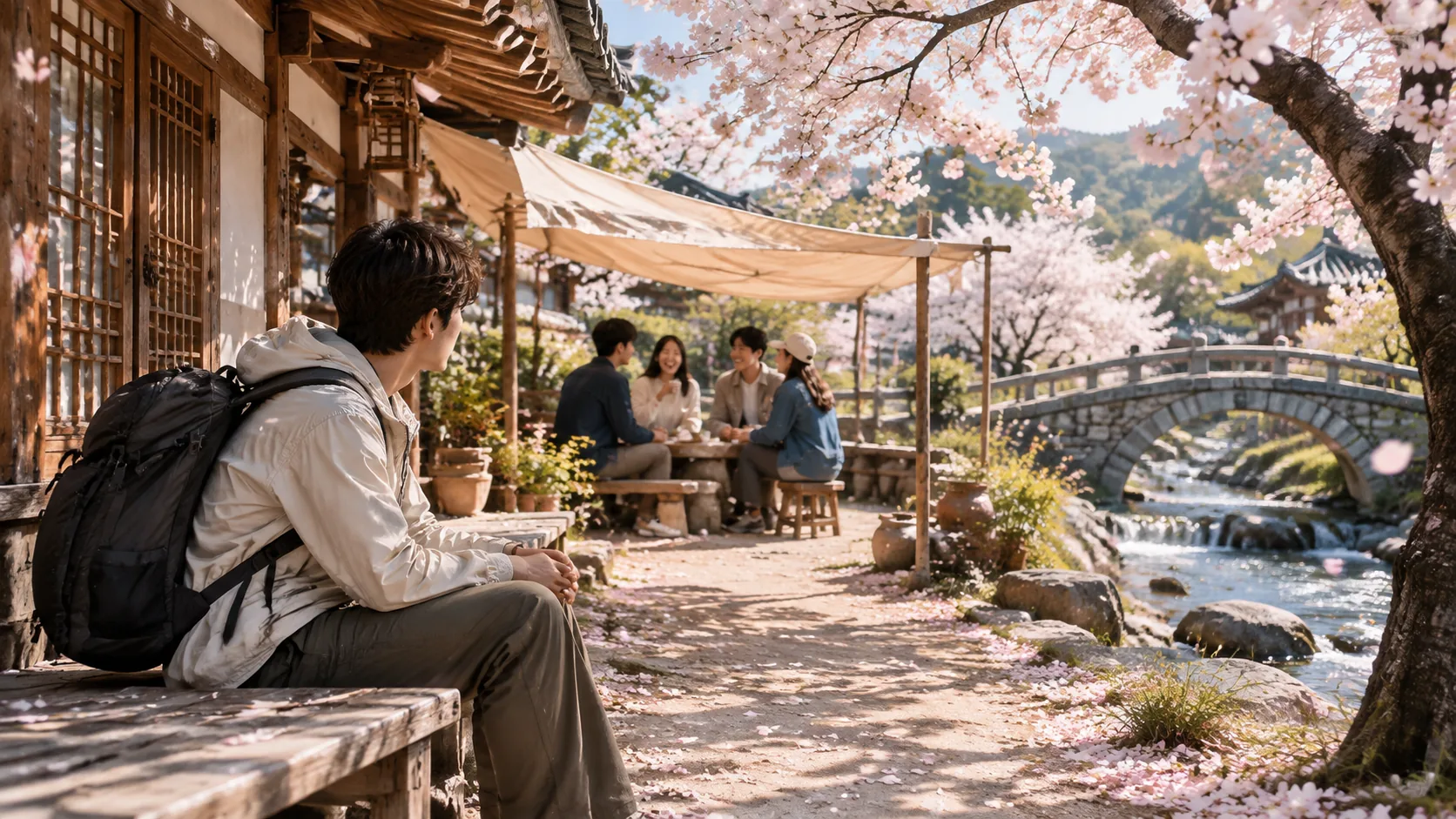
The main risks are time loss and money loss. A missed connection can force a rebooking or a long wait, while buying the wrong pass or ticket type can mean paying more than necessary or missing a discount. Seasonal schedules also matter: service frequency can change during winter, rainy periods, or special events, and opening hours at shops and attractions may shift as well.
To reduce these risks, check the latest schedule before each trip, leave a buffer for transfers, and confirm whether a ticket, pass, or reservation is required. If you are traveling with luggage, plan for extra time and avoid tight connections between long-distance travel and city sightseeing. Small buffers are cheap insurance against a bad day.
What Should You Do First to Avoid the Worst South Korea Travel Mistakes?
Start with the basics that protect your whole trip: accommodation location, transit access, daily pacing, and local norms. If you choose a base that is convenient for transit but inconvenient for food, safety, or evening routines, you will feel it every day. If you pack too many sights into one day, you will sacrifice depth for quantity. If you ignore service expectations, you will create avoidable discomfort.
The actionable steps are straightforward. First, map your must-see sites and rank them by importance. Second, group them by neighborhood or transit line. Third, set realistic walking limits and build in breaks. Fourth, learn the basic etiquette points that affect dining, transit, and public behavior. Finally, keep a flexible buffer for weather, delays, and spontaneous discoveries.
When travelers avoid these mistakes, the trip becomes less about surviving the logistics and more about enjoying the places themselves. South Korea travel mistakes to avoid are not exotic or rare; they are everyday decisions that separate a smooth visit from a frustrating one. Fix them early, and the rest of the journey takes care of itself.