
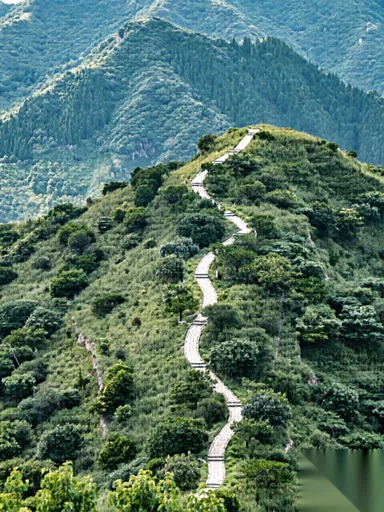
How to Plan a Perfect Tibet Travel Itinerary? A Step-by-Step Guide
Travel Preparation
Govoyagenow
Traveling to Tibet is a dream for many, but with its high altitude, unique culture, and strict regulations, planning a trip can be overwhelming. The key to a successful Tibet tour lies in understanding the region’s geography, cultural nuances, and practical tips to ensure a smooth and unforgettable experience. This guide will walk you through the essentials of planning a Tibet travel itinerary, from choosing the right route to respecting local customs.
Tibet is a vast and diverse region, with landscapes ranging from the sacred Mount Kailash to the bustling streets of Lhasa. However, without proper preparation, even the most well-intentioned traveler can face challenges such as altitude sickness, logistical hurdles, and cultural misunderstandings. The solution is to plan your trip with a clear itinerary, prioritize must-see attractions, and follow local guidelines to maximize your experience.
Before setting foot in Tibet, it’s essential to obtain a Tibet Travel Permit, which is required for all foreign visitors. This permit can be applied for through a licensed travel agency, and it’s crucial to ensure that your itinerary aligns with the approved routes. Additionally, you’ll need a valid passport, a visa for China, and proof of sufficient funds. Once you have these documents, you can begin planning your route.
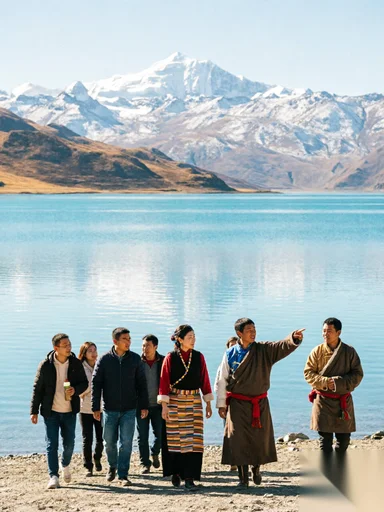
A popular and well-balanced Tibet itinerary typically starts in Lhasa, the capital city, where you can explore the Potala Palace, Jokhang Temple, and Norbulingka. From there, many travelers head to the Everest Base Camp or the sacred Mount Kailash, both of which require a few days of travel. The journey to Everest Base Camp involves a scenic route through the Tibetan Plateau, while the Kailash pilgrimage is a spiritual and physical challenge. For those looking for a shorter trip, a 7- to 10-day itinerary focusing on Lhasa, Yamdrok Lake, and the Tsangpo Gorge can be equally rewarding.
When planning your route, consider the time of year. The best time to visit Tibet is between April and October, when the weather is mild and the skies are clear. However, if you’re drawn to the snow-capped peaks of the Himalayas, winter can be a magical time to visit, though it may be colder and more remote. Always check the weather forecast and road conditions, especially for remote areas like the Everest region.
To make the most of your trip, it’s also important to respect local customs and traditions. Tibet is a Buddhist region, and visitors should be mindful of religious sites, dress modestly, and avoid sensitive topics. Learning a few basic Tibetan phrases can also enhance your interactions with locals and make your journey more meaningful.
Another important aspect of planning your Tibet itinerary is transportation. The region has limited public transport, so it’s best to book flights or private tours in advance. Domestic flights from Chengdu, Kunming, or Beijing to Lhasa are the most common, and from there, you can travel by road or helicopter to remote destinations. For those who prefer a slower pace, renting a car or joining a guided tour can be a great option.
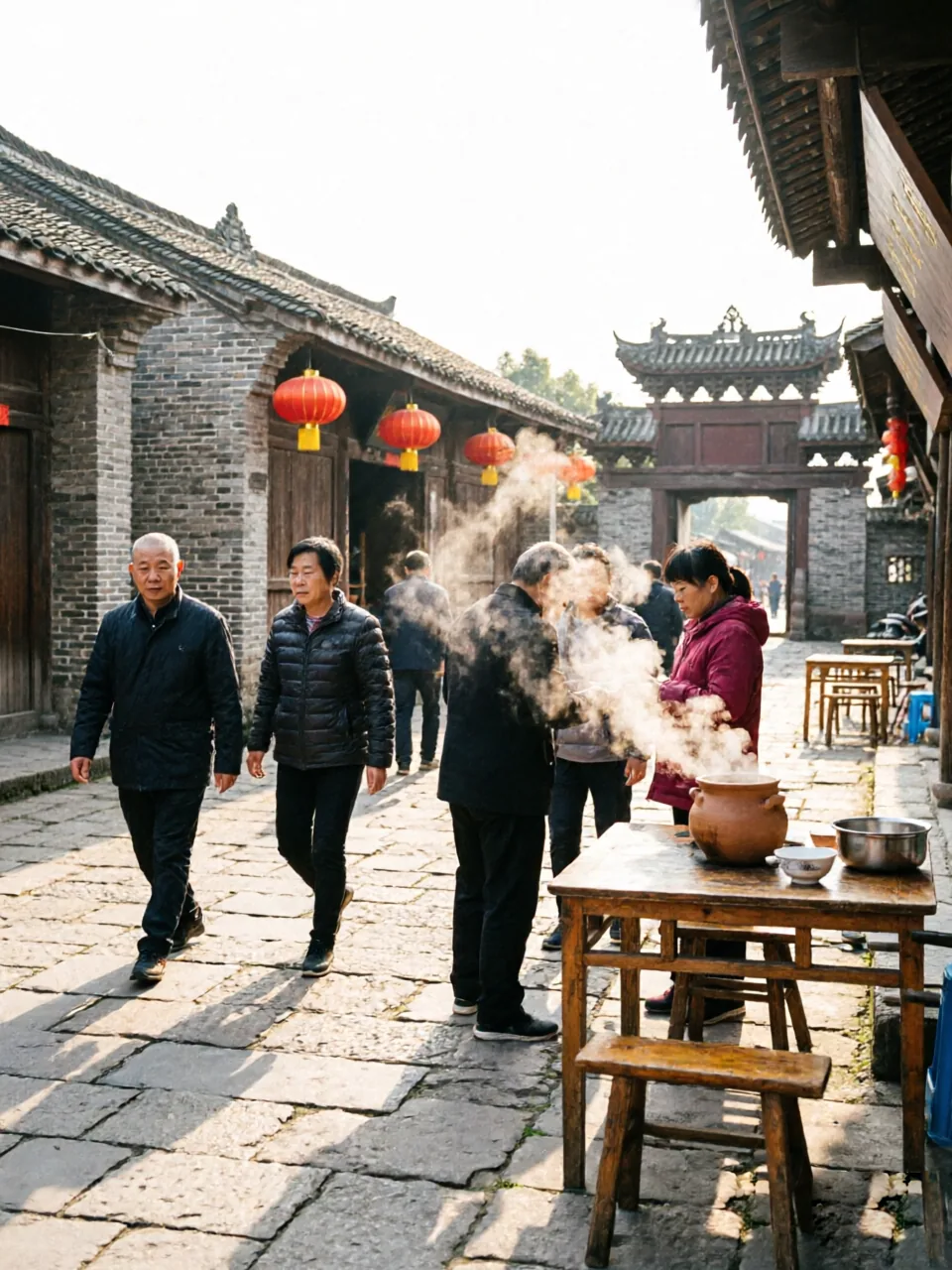
In addition to the main attractions, don’t forget to include cultural experiences such as visiting monasteries, attending a traditional tea ceremony, or trying local cuisine like tsampa and butter tea. These experiences will give you a deeper understanding of Tibetan life and culture.



3 Comments
Anonymous
31/07/2026
This guide was incredibly helpful! I followed the suggested itinerary and had an amazing trip to Tibet. The tips about permits and cultural respect were especially useful.
Anonymous
30/07/2026
I appreciate the emphasis on respecting local customs. It’s easy to overlook, but it really makes a difference in how you’re received by the locals.
Anonymous
30/07/2026
I’m planning a trip in the spring and found the section on weather and road conditions very informative. The image of Mount Kailash was stunning and made me even more excited about the trip.