
How to Plan a Perfect Visit to Mount Heng? A Step-by-Step Guide for First-Time Travelers
Practical Travel Tips
Govoyagenow
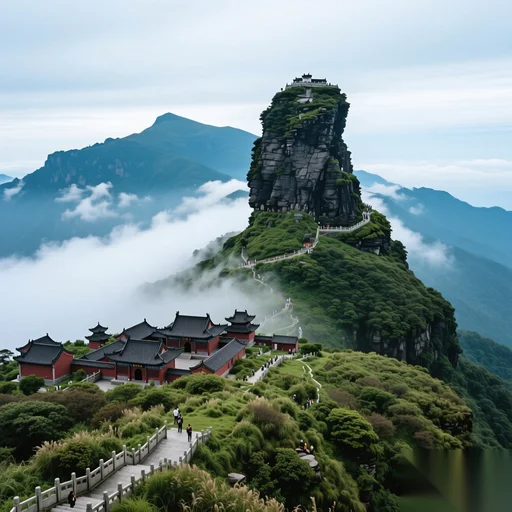
Mount Heng, one of China’s Five Great Mountains, is not only a sacred place in traditional Chinese culture but also a breathtaking destination for nature lovers and history enthusiasts. If you’re wondering how to plan a perfect visit to Mount Heng, this guide will help you navigate the best routes, must-see attractions, and practical tips to make your trip unforgettable.
Mount Heng is known for its unique geological formations, serene temples, and rich cultural heritage. However, for first-time visitors, the sheer scale of the mountain and the variety of attractions can be overwhelming. The key to a successful trip lies in planning ahead, understanding the mountain’s layout, and prioritizing the sites that align with your interests. Whether you’re drawn to the spiritual atmosphere of the temples or the natural beauty of the surrounding landscapes, a well-structured itinerary will ensure you make the most of your time on the mountain.
Before you start planning, it’s important to understand the basics of Mount Heng. The mountain is divided into two main areas: the front mountain and the back mountain. The front mountain is more accessible and offers a mix of cultural and natural attractions, while the back mountain is known for its more challenging hiking trails and tranquil atmosphere. Depending on your fitness level and interests, you can choose which area to explore. Additionally, the best time to visit is during the spring and autumn seasons when the weather is mild and the scenery is at its most beautiful.
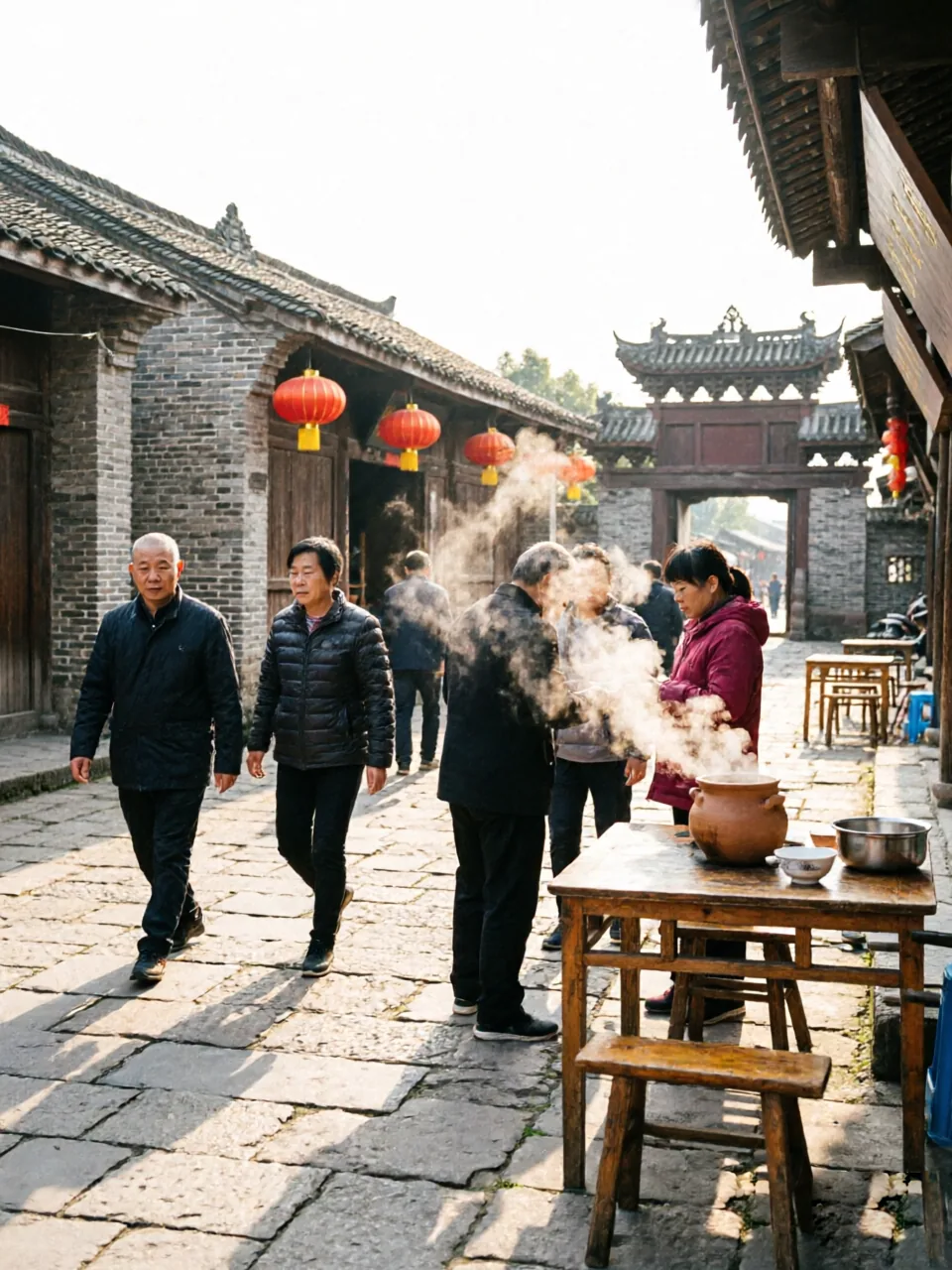
To make the most of your visit, it’s recommended to start early in the morning. This allows you to avoid the crowds and enjoy the mountain in a peaceful setting. Begin your journey at the foot of the mountain, where you can find transportation options, accommodation, and local vendors selling snacks and souvenirs. From there, you can choose your route based on your preferences. If you’re interested in history and culture, consider visiting the Shaolin Temple or the Temple of the Heavenly Kings. If you’re more into nature, the scenic trails and viewpoints offer stunning vistas of the mountain and surrounding areas.
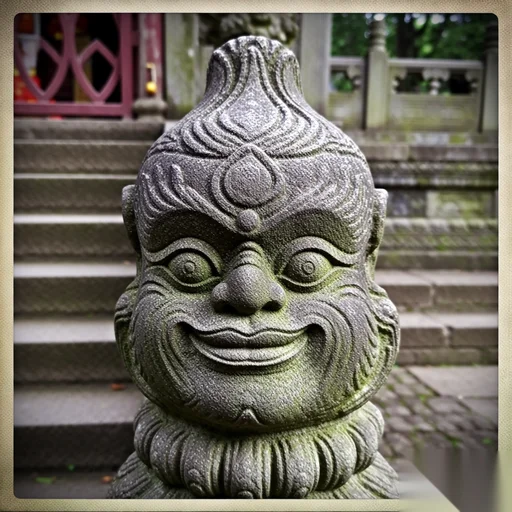
One of the most rewarding experiences on Mount Heng is the ascent to the summit. The journey itself is part of the adventure, with each step revealing new views and opportunities for reflection. Along the way, you’ll encounter ancient temples, prayer flags, and traditional stone carvings that reflect the mountain’s deep spiritual significance. Be sure to take breaks at the various rest stops and enjoy the breathtaking scenery. The summit offers panoramic views of the surrounding mountains and valleys, making it a perfect spot for photography and meditation.
For those looking to experience the full range of Mount Heng’s attractions, a sample itinerary could include visiting the front mountain in the morning, exploring the temples and cultural sites, and then hiking to the summit in the afternoon. In the evening, you can return to the foot of the mountain for a quiet meal and reflection on the day’s experiences. This structured approach ensures that you don’t miss any of the key highlights while also allowing time to rest and recharge.
In addition to planning your route, it’s also important to be prepared for the physical demands of the hike. Wear comfortable shoes, bring plenty of water, and pack snacks to keep your energy levels up. The mountain can be quite steep in some areas, so it’s a good idea to pace yourself and take regular breaks. If you’re not confident in your fitness level, consider hiring a local guide who can help you navigate the trails safely and efficiently.
Another important consideration is the weather. Mount Heng can experience sudden changes in weather, so it’s best to check the forecast before your trip and bring appropriate clothing. A waterproof jacket and layers are essential, especially if you’re visiting during the spring or autumn months when the weather can be unpredictable.
Lastly, don’t forget to respect the cultural and spiritual significance of Mount Heng. The mountain is a place of worship for many, so it’s important to behave respectfully, especially when visiting the temples and sacred sites. Avoid loud noises, keep the area clean, and follow any local guidelines to ensure a harmonious experience for all visitors.



2 Comments
Anonymous
25/07/2026
The section on choosing between the front and back mountain was very informative. I ended up hiking the back mountain and it was worth every step!
Anonymous
24/07/2026
I followed this guide and had an amazing trip to Mount Heng. The tips about starting early and visiting the temples were especially helpful!