
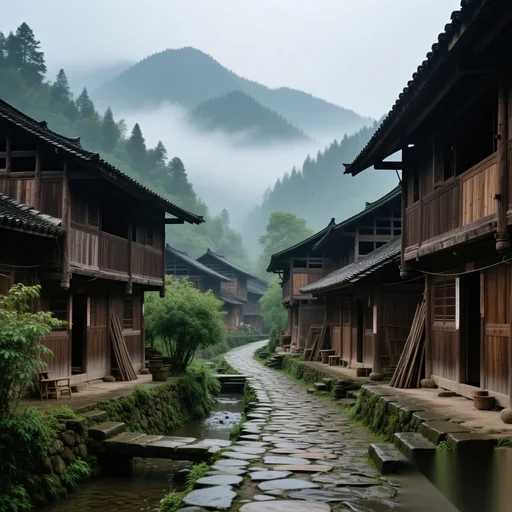
How to Explore the Ancient Heritage of Western Hunan? A Step-by-Step Guide
Seasonal Travel
Govoyagenow
Exploring the ancient heritage of Western Hunan doesn’t have to be overwhelming. With a clear plan, you can uncover the region’s rich historical sites, cultural traditions, and natural beauty without missing out on the key experiences. This guide provides a step-by-step approach to help you navigate the area like a local, ensuring you make the most of your trip.
Western Hunan is a treasure trove of ancient architecture, ethnic culture, and historical stories. However, many travelers find themselves lost in the maze of villages, temples, and caves, unsure where to start or how to make the most of their time. The key to a successful visit is understanding the region’s unique heritage and knowing which sites are worth your time. By following a structured approach, you can avoid common pitfalls and create a memorable journey.
Before you set out, it’s important to research the major historical sites in the area. Western Hunan is home to several UNESCO World Heritage Sites, including the Jiangxi Ancient Villages and the Fenghuang Ancient Town. Each of these locations has its own distinct character and historical significance. For example, the Jiangxi Ancient Villages are known for their well-preserved wooden structures and traditional lifestyles, while Fenghuang Ancient Town offers a blend of history, culture, and natural scenery. By identifying the sites that align with your interests, you can tailor your itinerary to suit your preferences.
Once you have a list of must-visit sites, the next step is to plan your route. Since the region is quite spread out, it’s best to focus on one or two areas at a time. For instance, if you’re interested in ancient villages, consider visiting the Jiangxi Ancient Villages in the western part of Hunan. If you prefer a mix of history and natural beauty, Fenghuang Ancient Town is an excellent choice. To make the most of your time, allocate at least two days to each area, allowing for travel between locations and some free time to explore.
When visiting these sites, it’s important to respect the local culture and environment. Many of the villages are still inhabited by the local ethnic minorities, such as the Tujia and Miao people, who have preserved their traditions for centuries. Take the time to learn a few basic phrases in their language, and be mindful of local customs. For example, when visiting a Tujia village, it’s customary to offer a small gift, such as a tea or a fruit, as a sign of respect.
In addition to the ancient villages, Western Hunan is also home to several historical temples and caves. The Fenghuang Ancient Town, for instance, is surrounded by beautiful mountainous landscapes and features a number of well-preserved temples, including the Dazhushan Temple and the Zhushan Temple. These temples not only offer stunning architecture but also provide insight into the region’s religious and cultural history. If you’re interested in caves, the Yangshuo Karst Landscape is a must-see. The area is known for its towering limestone formations and underground rivers, which have been shaped by centuries of natural forces.
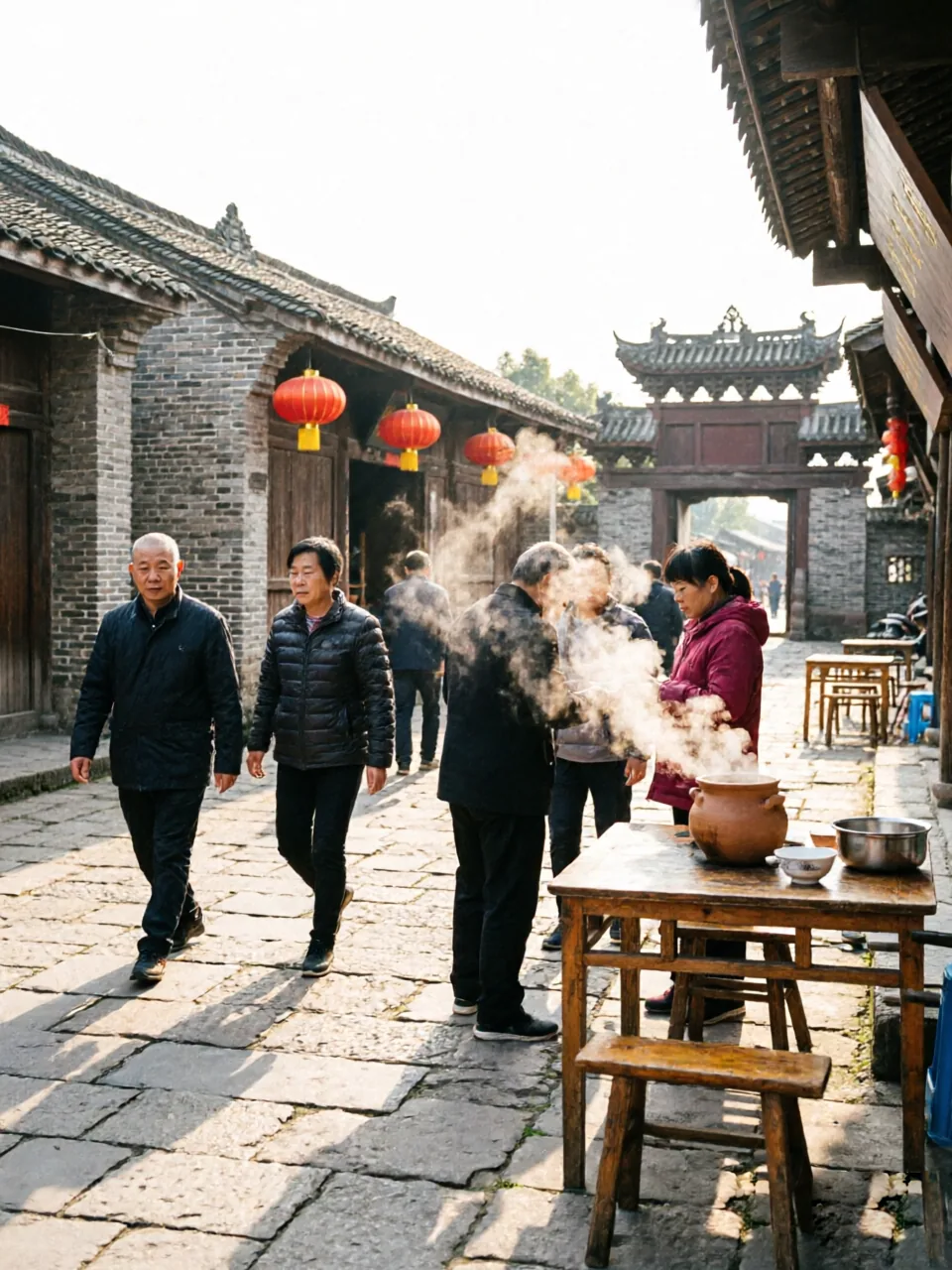
One of the best ways to experience the ancient heritage of Western Hunan is to stay in one of the local villages. This allows you to immerse yourself in the daily life of the residents and gain a deeper understanding of their traditions. Many villages offer homestays or guesthouses where you can stay in traditional wooden houses, dine on local cuisine, and participate in cultural activities. For example, in the Jiangxi Ancient Villages, you can take part in a traditional tea ceremony or learn how to make local crafts. These experiences not only enrich your trip but also support the local community.
A visit to Western Hunan would not be complete without exploring its natural beauty. The region is home to several scenic spots, including the Zhangjiajie National Forest Park and the Tianmen Mountain National Forest Park. While these areas are primarily known for their natural landscapes, they also have historical and cultural significance. For instance, the Zhangjiajie National Forest Park was the filming location for the movie *Avatar*, and it features some of the most breathtaking rock formations in the world.
To ensure a smooth and enjoyable trip, it’s important to plan your transportation and accommodation in advance. The region is quite remote, so it’s best to arrive by train or bus and then use local transportation to reach the sites. If you’re planning to visit multiple areas, consider renting a car or hiring a local guide. A guide can provide valuable insights into the history and culture of the region, making your visit more meaningful.
In summary, exploring the ancient heritage of




3 Comments
Anonymous
20/07/2026
What a beautiful guide! I've always wanted to visit Western Hunan and this gives me a great starting point.
Anonymous
20/07/2026
I love the step-by-step approach. It makes exploring the ancient heritage feel more accessible and exciting.
Anonymous
19/07/2026
The photos are stunning, it's easy to see why this area is so special. I'm inspired to plan a trip soon.