

How to Create a Personalized Travel Itinerary? A Step-by-Step Guide for First-Time Travelers
Practical Travel Tips
Govoyagenow
Traveling is one of life’s greatest joys, but it can also be overwhelming if you don’t plan properly. Whether you’re a first-time traveler or someone who’s been on the road before, creating a personalized travel itinerary is essential to making your trip stress-free and unforgettable. The key to a successful trip lies in knowing where to start and how to structure your plan. In this guide, we’ll walk you through the essential steps to create a personalized travel itinerary that fits your interests, budget, and time frame.
Before diving into the details, it’s important to understand the core principle of a well-structured itinerary. A great itinerary isn’t just about marking off destinations on a map—it’s about creating a balance between exploration and rest, ensuring that you have enough time to enjoy each place without feeling rushed. It also means considering factors like transportation, accommodation, and local culture to make your trip as smooth as possible.
The first step in creating your itinerary is to define your goals. What kind of traveler are you? Are you looking for adventure, relaxation, culture, or a mix of all three? Once you know what you want from your trip, you can start narrowing down your destinations. For example, if you’re into nature, you might prioritize national parks or hiking trails. If you’re interested in history, you could focus on cities with rich cultural heritage.
Next, set a realistic timeline. How long do you have for your trip? This will determine how many places you can visit and how much time you can spend in each location. It’s also important to consider the best times to visit certain places. For instance, some destinations are best visited in the spring or fall to avoid extreme weather or crowded tourist seasons.
After setting your goals and timeline, it’s time to research your destinations. Use travel websites, blogs, and forums to gather information about the places you’re interested in. Look for recommendations on the best things to see, local food to try, and transportation options. Don’t forget to check the visa requirements, travel advisories, and any health precautions that may be necessary.
Once you have a list of places you want to visit, it’s time to organize them into a logical sequence. Consider the distance between locations, travel time, and the type of activities you want to do in each place. For example, if you’re visiting multiple cities, plan your route to minimize backtracking and maximize your time in each destination. It’s also helpful to include some flexibility in your schedule to allow for unexpected changes or spontaneous adventures.
Now that you have a rough outline, it’s time to add details. This includes booking flights, choosing accommodations, and planning daily activities. When selecting accommodations, consider factors like location, price, and reviews. Staying in a central area can save you time on transportation, while budget-friendly options can help you stretch your travel budget.
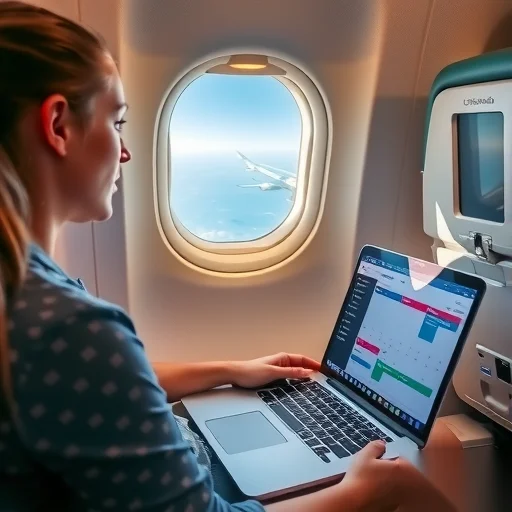
Finally, create a digital or physical itinerary that you can refer to during your trip. Use a notebook, a travel app, or a digital calendar to keep track of your plans. Make sure to include important details like flight times, hotel check-in/check-out dates, and activity schedules. It’s also a good idea to print out a copy of your itinerary in case your electronic devices run out of battery or connectivity.
Let’s take a real-life example to make this more concrete. Imagine you’re planning a 10-day trip to Southeast Asia. Your goal is to experience both culture and nature. You decide to visit Bangkok, Chiang Mai, and Phuket. You set your timeline to start in Bangkok, then move to Chiang Mai for a few days of cultural exploration, followed by a beach getaway in Phuket. You research the best places to visit in each city, book flights and accommodations in advance, and create a daily schedule that includes must-see attractions and free time for relaxation.
By following these steps, you’ll be well on your way to creating a personalized travel itinerary that meets your needs and enhances your travel experience. Remember, the key is to plan thoughtfully but remain open to the unexpected. Travel is about discovery, and a well-structured itinerary helps you make the most of every moment.




2 Comments
Anonymous
13/07/2026
I love how the article emphasizes flexibility. I’ve had trips ruined by rigid itineraries, so this advice is a game-changer!
Anonymous
13/07/2026
This guide is incredibly helpful! I’ve never planned a trip before, and this step-by-step approach gives me confidence to start planning my own. Thank you!