
How to Walk Through Tibet: A Step-by-Step Travel Guide
China Travel Guide
Govoyagenow
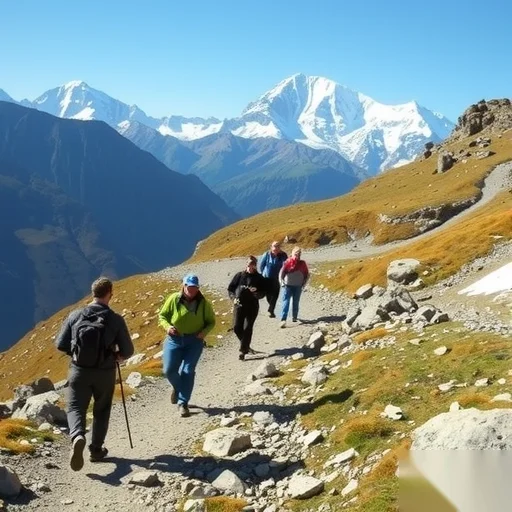
Walking through Tibet is a dream for many travelers, but the journey is not without its challenges. Whether you’re an experienced hiker or a first-time visitor, the key to a successful trek lies in preparation, understanding the terrain, and respecting the local culture. This guide will walk you through everything you need to know to plan a safe and fulfilling walking trip to Tibet.
Tibet is a land of breathtaking landscapes, from the towering Himalayas to sacred monasteries and vast grasslands. However, the high altitude, unpredictable weather, and rugged terrain can make the journey challenging. The solution? A well-structured walking itinerary that balances physical preparation, cultural awareness, and logistical planning.
Before setting foot in Tibet, it’s essential to understand the region’s unique environment. The average altitude in Tibet ranges from 3,000 to 5,000 meters, which means altitude sickness is a real concern. To minimize risks, acclimatize properly by spending a few days in Lhasa, the capital, before venturing into higher-altitude areas. Packing the right gear is also crucial—sturdy hiking boots, layers for temperature changes, and a reliable backpack are must-haves.
When planning your route, consider the season. The best time to walk in Tibet is from April to October, when the weather is more stable and the trails are accessible. However, even during this period, sudden weather changes can occur, so always check the forecast and be prepared for unexpected conditions. Popular walking routes include the Everest Base Camp trek, the Kailash Pilgrimage, and the Yarlung Tsangpo Grand Canyon. Each offers a unique experience, but they also require different levels of physical fitness and preparation.
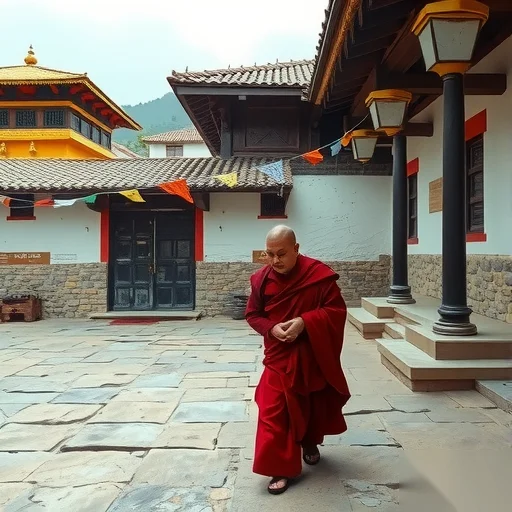
One of the most important aspects of walking in Tibet is respecting the local culture and environment. The region is home to Tibetan Buddhism, and many sites are considered sacred. Always ask for permission before taking photos of people, and follow local customs, such as removing your shoes before entering monasteries. Additionally, be mindful of the fragile ecosystem and avoid littering. Sustainable tourism is vital to preserving Tibet’s natural beauty for future generations.
A practical example of a successful walking trip in Tibet is the journey to Mount Kailash. This pilgrimage route is not only physically demanding but also spiritually significant. Travelers often start from Dzongri and trek for several days to reach the sacred lake, Lake Manasarovar. Proper planning, including securing a permit and hiring a local guide, ensures a safe and meaningful experience.
For those who prefer a more relaxed pace, there are also shorter walking tours available. For instance, a 3-day trek from Lhasa to Namtso Lake offers stunning views of the Tibetan Plateau and allows for acclimatization. These shorter trips are ideal for first-time visitors who want to experience the region without the intense physical demands of longer treks.
In addition to physical preparation, mental readiness is equally important. Walking in Tibet requires patience, adaptability, and a willingness to embrace the unknown. The journey is as much about the internal transformation as it is about the physical challenge. By staying open-minded and respectful, you’ll gain a deeper appreciation for the land and its people.




3 Comments
Anonymous
12/07/2026
This guide was incredibly helpful. I followed the tips and had an amazing trek to Everest Base Camp. The acclimatization advice made all the difference.
Anonymous
12/07/2026
I’m planning a pilgrimage to Kailash and found the permit information very useful. Thanks for the detailed breakdown!
Anonymous
11/07/2026
The cultural tips were a great addition. I made sure to respect local customs, and it made my trip more meaningful.