
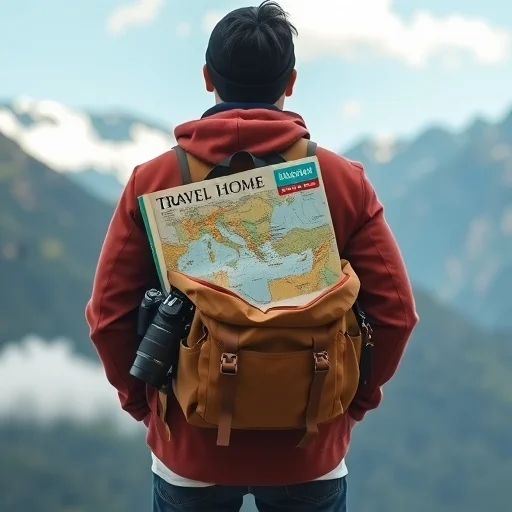
How to Plan a Perfect Self-Guided Travel Itinerary?
Practical Travel Tips
Govoyagenow
Traveling on your own can be both exciting and overwhelming. The key to a smooth and unforgettable trip lies in careful planning. Whether you’re a first-time solo traveler or a seasoned adventurer, a well-structured self-guided travel itinerary can make all the difference. This guide will walk you through the essential steps to create a personalized and stress-free travel plan that fits your interests, budget, and time.
Starting with the basics is crucial. Before you even think about booking flights or accommodations, ask yourself: What are your travel goals? Are you looking for adventure, relaxation, culture, or a mix of everything? Defining your purpose will help you prioritize destinations, activities, and budget allocation. For example, if you’re chasing nature, you’ll need to focus on hiking trails, scenic viewpoints, and eco-friendly accommodations. If you’re interested in history, museums, historical sites, and local guides will be essential.
Once you have a clear idea of your goals, it’s time to research your destination. This isn’t just about finding the best hotels or restaurants—it’s about understanding the local culture, transportation options, and hidden gems. Use travel blogs, forums, and social media to gather insights from real travelers. Pay attention to seasonal factors, such as weather patterns, local festivals, or peak tourist times. For instance, visiting a beach destination in the summer might mean higher prices and crowded beaches, while traveling in the off-season could offer better deals and a more tranquil experience.
Creating a timeline is the next step. Break down your trip into days, and assign specific activities or destinations to each. This helps you avoid overbooking and ensures you have enough time to explore each place without feeling rushed. A good rule of thumb is to leave some flexibility in your schedule for unexpected delays or spontaneous adventures. For example, if you plan to visit three cities in a week, allocate one day for travel between locations and another day for relaxation or backup plans.
Budgeting is another critical part of the process. Decide how much you’re willing to spend on flights, accommodation, food, activities, and transportation. Use travel apps or spreadsheets to track your expenses and stay within your limits. Don’t forget to factor in extra costs like visas, insurance, and emergency funds. A well-planned budget not only prevents financial stress but also allows you to enjoy your trip without worrying about money.
When it comes to booking, start with the essentials: flights, accommodation, and major activities. Book these early to secure better prices and availability, especially for popular destinations or peak seasons. However, avoid locking yourself into rigid plans too soon. Leave room for spontaneity by booking only the most important parts of your trip in advance. This approach gives you the freedom to explore and adapt as you go.
Finally, prepare for the unexpected. Pack versatile clothing, essential travel documents, and a reliable travel insurance policy. Research local laws, customs, and safety tips to ensure a smooth and respectful experience. Also, download offline maps and translation apps to help you navigate unfamiliar places. Being prepared not only reduces stress but also enhances your overall travel experience.
Let’s take a real example to illustrate how this works. Imagine you’re planning a 10-day trip to Southeast Asia. Your goal is to explore both cultural and natural attractions. You’ll start by choosing a destination like Thailand or Vietnam. Research the best time to visit, considering the weather and local events. Create a timeline that includes major cities, temples, beaches, and outdoor activities. Allocate your budget for flights, hotels, food, and activities. Book flights and a few key accommodations in advance, but keep the rest open. Pack accordingly, and make sure you have travel insurance and a reliable way to stay connected. With this structured yet flexible approach, your trip will be both enjoyable and stress-free.




3 Comments
Anonymous
09/07/2026
Planning a self-guided trip requires a balance between flexibility and structure. I've found that setting daily goals helps keep me on track without feeling too restricted.
Anonymous
08/07/2026
I'm a first-time solo traveler and this guide gives me the confidence to plan my own adventure. I'll start by researching the best routes and accommodations.
Anonymous
08/07/2026
It's easy to feel lost when traveling alone, but having a clear itinerary makes everything more manageable. I'll definitely use these tips to make my trip stress-free and enjoyable.