
How to Plan a Perfect Self-Driving Vacation? A Step-by-Step Guide
Practical Travel Tips
Govoyagenow
Traveling by car offers freedom, flexibility, and the chance to explore hidden gems that buses or trains can’t reach. But for many, the idea of planning a self-driving vacation feels overwhelming—what routes to take, what to pack, and how to avoid roadblocks? The answer lies in careful preparation, smart planning, and a clear roadmap. By breaking down the process into manageable steps, you can turn your dream road trip into a stress-free adventure.
When planning a self-driving vacation, the key is to start with a clear destination and a flexible itinerary. Choose a route that balances scenic beauty with practicality—avoid areas with poor road conditions or limited services. Research the weather, road closures, and fuel availability along your route. Once you have a general idea of where you’re going, create a rough schedule that allows for unexpected delays or detours.
Next, organize your vehicle and supplies. Ensure your car is in good working condition before departure—check the tires, brakes, and fluids. Pack essentials like snacks, water, first-aid kits, and a fully charged phone. It’s also wise to bring a portable charger and a map (both digital and physical) in case of emergencies. Don’t forget to plan for fuel stops and set a budget for unexpected costs.
A well-planned self-driving vacation also means understanding local laws and driving etiquette. Research speed limits, parking rules, and any restrictions in the areas you’ll be visiting. If you’re driving in a foreign country, familiarize yourself with the local traffic rules and language. Being prepared can save you from unnecessary stress and help you enjoy your journey more fully.
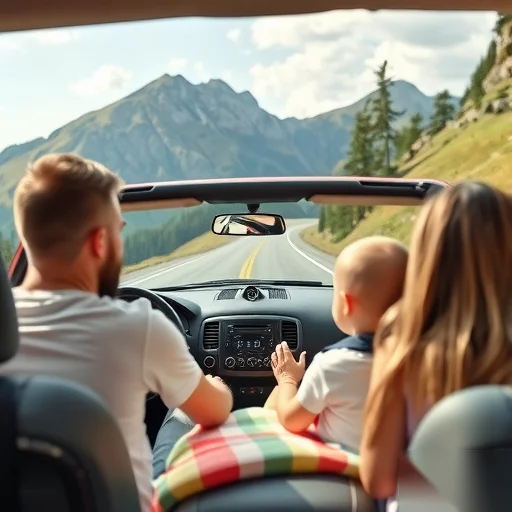
Let’s take an example: a family planning a road trip from San Francisco to Las Vegas. They start by choosing a scenic route that includes stops at Redwood National Park and Yosemite. They research the best times to visit and check road conditions. They pack snacks, water, and a portable charger. They also plan fuel stops and book accommodations in advance. Along the way, they take detours to visit smaller towns and local attractions, making the trip more memorable. This approach not only ensures a smooth journey but also allows for spontaneous discoveries.
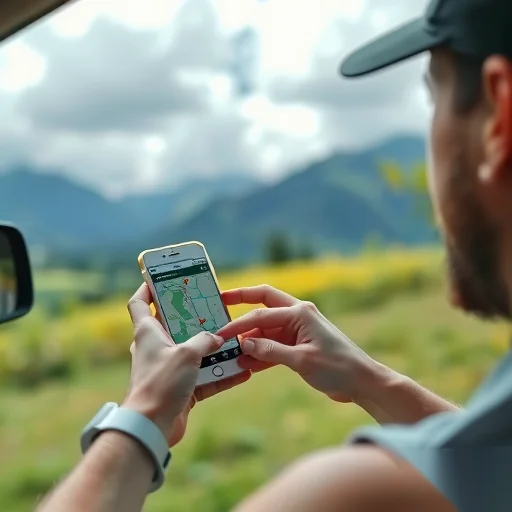
Another important aspect is staying connected. Use a reliable navigation app like Google Maps or Waze to avoid getting lost. Share your itinerary with a trusted friend or family member so they know where you are at all times. If you’re traveling alone, consider using a satellite phone or emergency beacon in remote areas. Staying connected is a simple yet effective way to enhance safety and peace of mind.
Don’t forget to plan for rest and relaxation. Long drives can be tiring, so schedule regular breaks to stretch your legs, grab a bite, or simply enjoy the scenery. Consider staying in unique accommodations like boutique hotels, cabins, or campgrounds to make your trip more memorable. These stops not only provide comfort but also offer opportunities to experience local culture and cuisine.
Finally, embrace the journey. A self-driving vacation is not just about reaching your destination—it’s about the experiences you gather along the way. Be open to unexpected detours, local recommendations, and the joy of discovering new places. The more you adapt to the journey, the more rewarding it will be.




3 Comments
Anonymous
07/07/2026
I love the example about the family trip. It made the whole process feel more real and achievable.
Anonymous
06/07/2026
This guide is so helpful! I’ve been planning a road trip for months and this gives me a clear direction. Thanks!
Anonymous
06/07/2026
The tips on preparing the car and packing essentials were exactly what I needed. I feel more confident now!