
How to Stay Warm While Traveling in Xinjiang? Here’s the Ultimate Guide
Seasonal Travel
Govoyagenow
In Xinjiang, where temperatures can drop below freezing, staying warm is not just a comfort—it’s a necessity. The key to a comfortable and enjoyable trip lies in proper preparation, understanding the climate, and taking practical steps to stay warm. Whether you’re exploring the vast deserts, visiting ancient cities, or hiking through mountainous regions, knowing how to keep yourself warm will ensure a smoother and more enjoyable experience.
Xinjiang’s climate is diverse, ranging from arid deserts to high-altitude mountains, and the weather can change rapidly. Winter temperatures can be as low as -20°C, especially in the north and high-altitude areas. Even in spring and autumn, the nights can be chilly, and sudden temperature drops are common. Therefore, preparing the right clothing and gear is essential.
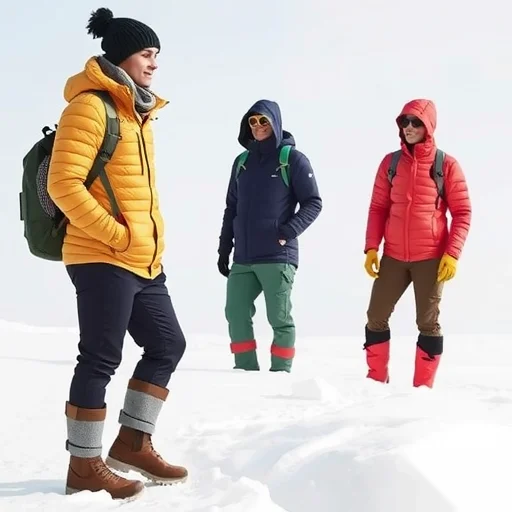
The principle of staying warm in Xinjiang is simple: layering. Layering allows you to adjust your clothing according to the temperature and activity level. Start with a moisture-wicking base layer, add an insulating middle layer, and finish with a windproof and waterproof outer layer. This approach not only helps retain body heat but also provides protection against wind and rain.
When choosing clothing, prioritize quality and functionality over style. Thermal underwear, fleece jackets, and insulated sweaters are must-haves. A good pair of insulated boots is also crucial, as cold ground can quickly drain body heat. Additionally, wearing gloves, a warm hat, and a scarf can make a significant difference in keeping your extremities warm.
For those planning to visit high-altitude areas like Tianshan or the Pamirs, it’s important to prepare for even colder temperatures. A down jacket or a heavy-duty insulated coat is recommended. Don’t forget to bring a warm sleeping bag and thermal socks if you’re staying in remote areas or camping.
Let’s take a real-life example. A traveler visiting Kashgar in early January experienced a sudden drop in temperature from 5°C to -10°C within a day. By wearing multiple layers, including a thermal base layer, a fleece jacket, and a waterproof outer shell, they stayed comfortable throughout the day. They also used hand warmers and insulated boots, which helped keep their feet warm during long walks.
In addition to clothing, staying warm also involves other practical tips. Drinking warm beverages like tea or soup can help maintain body heat. Keeping your hands and feet warm is especially important, as cold extremities can lead to discomfort and even health issues.
It’s also important to be aware of the weather forecast and plan accordingly. Checking the local weather conditions before heading out can help you prepare better. In Xinjiang, it’s not uncommon to have sudden snowstorms or strong winds, so being prepared with the right gear can make all the difference.
For those who are not used to cold climates, it might take some time to adjust. However, with the right preparation and mindset, you can enjoy Xinjiang’s natural beauty without worrying about the cold.





3 Comments
Anonymous
04/07/2026
The image of the tea cup and socks really made me feel the warmth. It’s a great visual reminder to stay cozy!
Anonymous
04/07/2026
I didn’t think about the importance of gloves and hats. Now I’m planning to bring more warm accessories on my trip.
Anonymous
03/07/2026
I followed this guide and stayed warm even in the coldest parts of Xinjiang. The layering tips were life-saving!