
How to Explore Sri Lanka’s Tea Plantations: A Step-by-Step Guide
China Travel Guide
Govoyagenow
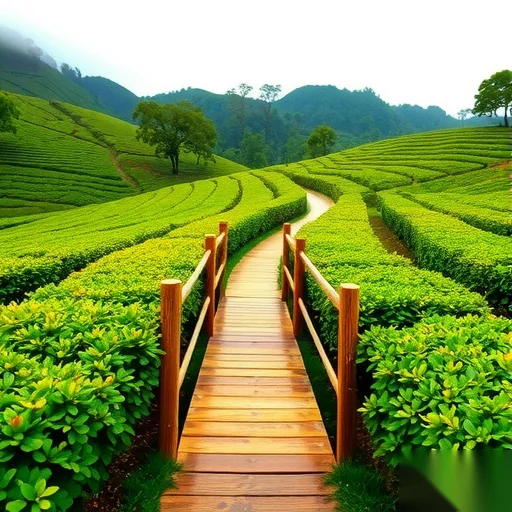
Sri Lanka’s tea plantations are not just a place to sip a cup of tea—they are a gateway to the island’s natural beauty, cultural heritage, and tranquil escape. If you’ve ever wondered how to experience the charm of Sri Lanka’s tea country, this guide will walk you through the best ways to explore its famous plantations. From choosing the right destination to understanding the tea-making process, this step-by-step approach ensures you make the most of your visit.
Sri Lanka is renowned for its high-quality Ceylon tea, and the plantations are often hidden gems that offer a unique blend of history, culture, and scenery. However, many travelers overlook these spots due to a lack of planning or knowledge. To truly experience the tea plantations, you need a clear plan that includes the best locations, the best time to visit, and how to engage with the local culture. This guide will help you navigate through the nuances of tea plantation tourism, ensuring you have a memorable and enriching experience.
Choosing the right tea plantation is the first step in your journey. The most famous ones are located in the hill country of Sri Lanka, such as Nuwara Eliya, Dimbula, and Haputale. These areas are known for their cool climate and ideal conditions for growing tea. Each plantation has its own unique charm, so it’s important to research which one aligns with your interests. If you’re interested in learning about the tea-making process, look for plantations that offer guided tours. If you prefer a more relaxed experience, opt for a plantation that offers a scenic walk or picnic spot.
Once you’ve chosen your destination, the next step is to plan your visit. The best time to visit Sri Lanka’s tea plantations is between October and March when the weather is cool and pleasant. This period is also the peak season for tea harvesting, making it an ideal time to witness the tea-making process firsthand. However, if you’re flexible with your dates, you can visit during other times of the year as well. Be sure to check the plantation’s website or contact them in advance to confirm their opening hours and tour schedules.
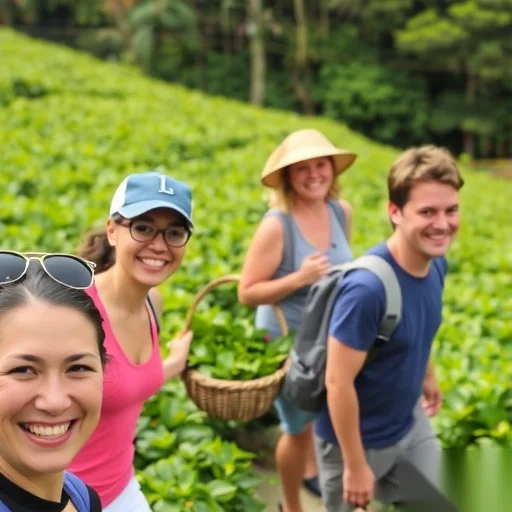
Engaging with the local culture is a key part of the tea plantation experience. Many plantations offer guided tours that include a visit to the tea factory, where you can see how the leaves are processed from fresh harvest to finished product. Some even offer a chance to participate in the harvesting process, which is a rewarding and immersive experience. Additionally, you can sample different types of tea, from black to green, and learn about the unique flavors that make Ceylon tea stand out.
To make the most of your visit, consider combining your tea plantation tour with a stay in one of the nearby hill stations. These towns offer beautiful landscapes, cozy guesthouses, and a chance to unwind after a day of exploring. Nuwara Eliya, for example, is often called the “Little England” of Sri Lanka due to its colonial architecture and tea plantations. Staying in such a location allows you to fully immerse yourself in the tranquil environment of the tea country.
One of the best ways to experience Sri Lanka’s tea plantations is through a guided tour. These tours often include transportation, a tea tasting session, and a visit to the plantation itself. They are especially useful for first-time visitors who may not be familiar with the best spots or the logistics of visiting independently. However, if you prefer to explore on your own, there are plenty of options to choose from, including self-guided walking tours and picnic spots.
A real-world example of a successful tea plantation visit is a trip to the Dimbula Tea Factory. This plantation is known for its breathtaking views of the surrounding hills and its rich history dating back to the 19th century. Visitors can take a guided tour of the factory, learn about the tea-making process, and enjoy a cup of freshly brewed Ceylon tea. Many travelers also take a short hike through the plantation’s lush greenery, making it a perfect blend of relaxation and adventure.
In addition to the plantation itself, don’t forget to explore the local culture and cuisine. Many tea plantations have cafes or restaurants where you can enjoy a meal made with local ingredients. You can also learn about the history of tea in Sri Lanka, from its introduction by the British to its current status as a national symbol. This deeper understanding of the tea industry enhances your overall experience and gives you a more meaningful connection to the place.
Whether you’re



5 Comments
Anonymous
03/07/2026
It’s amazing how much history and culture goes into Sri Lanka’s tea industry.
Anonymous
03/07/2026
I love the idea of meeting the tea workers – it adds a personal touch to the experience.
Anonymous
03/07/2026
I’ve always wanted to visit a tea plantation, this guide makes it sound like an unforgettable adventure.
Anonymous
02/07/2026
What a beautiful way to experience Sri Lanka! The misty hills and green tea bushes look so peaceful.
Anonymous
02/07/2026
The photos are stunning, it’s easy to imagine the tranquility of walking through those rows of tea.