
How to Plan a Perfect Wuhan and Zibo Travel Itinerary?
Seasonal Travel
Govoyagenow
Traveling to Wuhan and Zibo can be an unforgettable experience, but planning a seamless trip between these two cities might feel overwhelming. The key is to combine the historical and cultural richness of Wuhan with the emerging charm of Zibo, while ensuring efficient travel and accommodation. This guide provides a practical solution to help you create a balanced itinerary that maximizes your time and minimizes stress.
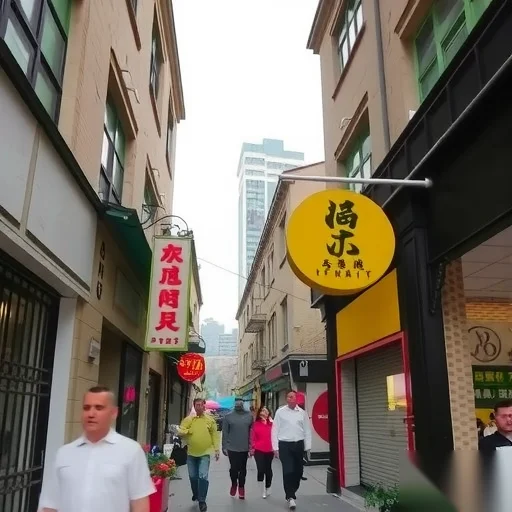
Wuhan and Zibo may seem like distant destinations, but with the right planning, you can easily travel between them using high-speed rail. Wuhan, the capital of Hubei Province, is a major transportation hub and home to iconic landmarks like East Lake, Yellow Crane Tower, and the Yangtze River. Zibo, on the other hand, is a city in Shandong Province that has recently gained popularity for its rich ceramic heritage, traditional crafts, and vibrant local culture. Understanding the unique attractions of each city is the first step in crafting a well-rounded travel plan.
To make the most of your trip, it’s essential to allocate sufficient time in each city and plan your transportation accordingly. Wuhan is best explored over 3–4 days, allowing you to visit major attractions, enjoy local cuisine, and experience the city’s modern and historical sides. Zibo, being smaller, can be covered in 2–3 days, giving you time to explore its cultural sites and immerse yourself in its local lifestyle. Booking train tickets in advance and considering overnight travel can help you save time and money.
One effective strategy is to start with Wuhan, as it serves as a convenient base for exploring the Yangtze River and surrounding areas. Begin with a visit to the Yellow Crane Tower, a symbol of Wuhan and one of the most famous landmarks in China. From there, head to East Lake, where you can enjoy a scenic walk, rent a bike, or take a boat ride. Don’t miss the Wuhan Botanical Garden, which offers a peaceful escape from the city’s hustle. In the evenings, try local delicacies like hot dry noodles and fish soup to experience Wuhan’s unique flavors.
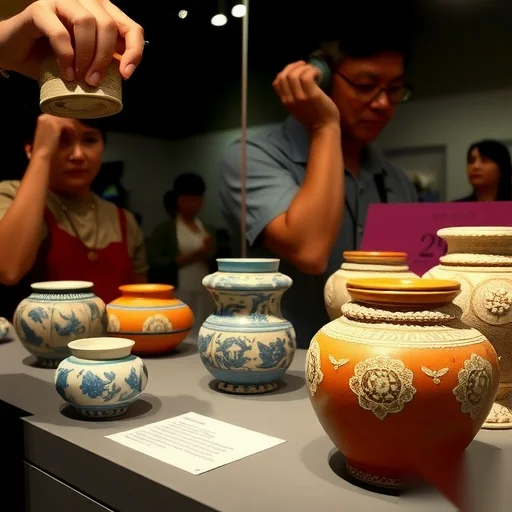
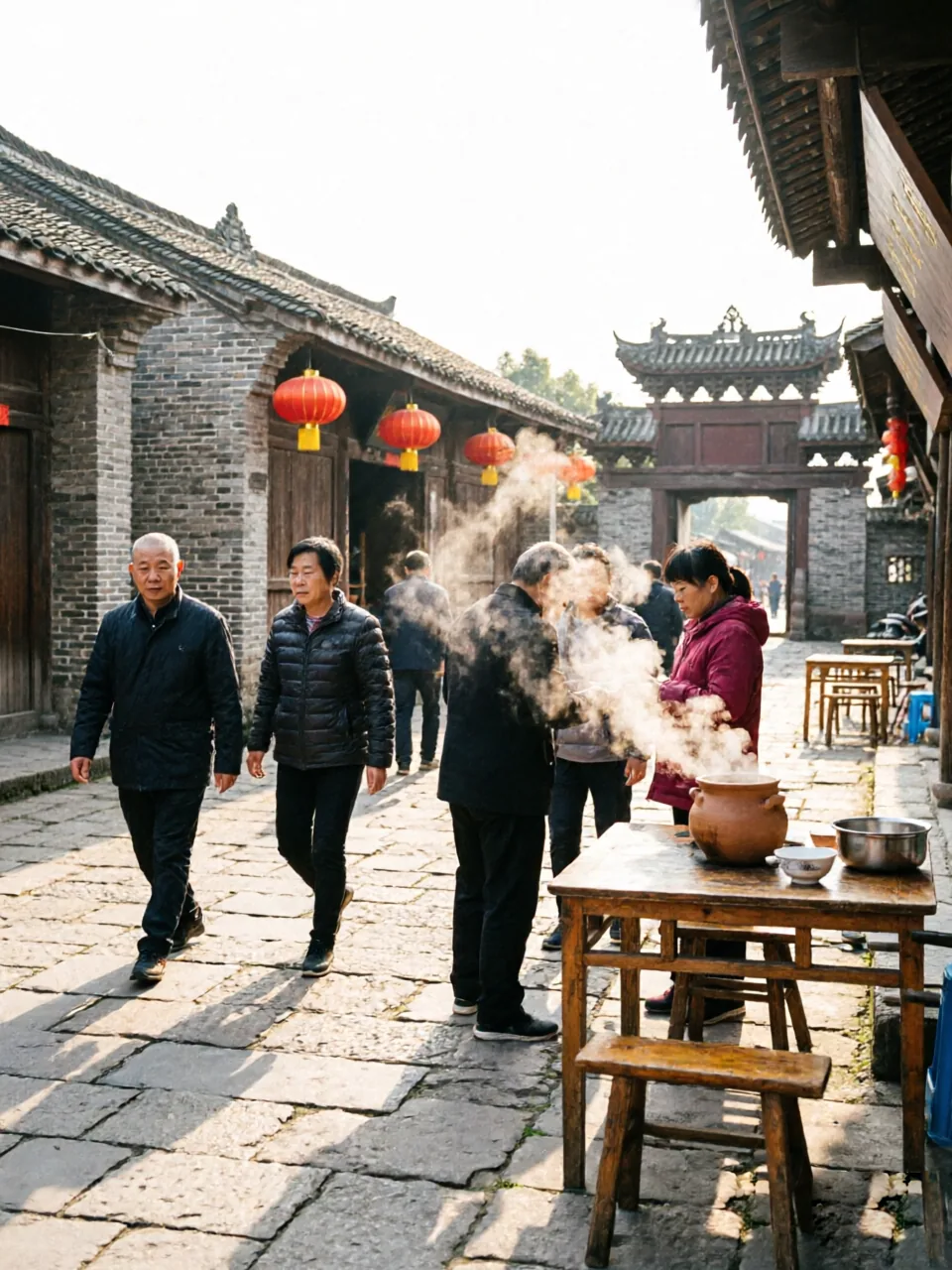
After spending a few days in Wuhan, head to Zibo. The journey by high-speed rail takes about 2 hours, making it a convenient option. Upon arrival, visit the Zibo Ceramic Museum to learn about the city’s long history in pottery-making. Explore the Zibo Ancient City, a well-preserved example of traditional Chinese architecture, and take a walk through the Old Town to discover local markets and street food. Don’t forget to try Zibo’s famous Zibo noodles and sweet potato cakes, which are beloved by locals and visitors alike.
To ensure a smooth experience, it’s important to book accommodations in advance, especially in Wuhan, where hotels can fill up quickly during peak travel seasons. Choose a centrally located hotel in Wuhan for easy access to public transportation and major attractions. In Zibo, consider staying in the Old Town area to be close to cultural sites and local eateries. Packing comfortable shoes is a must, as much of the exploration involves walking.
A sample itinerary could look like this: spend the first two days in Wuhan, exploring its major landmarks and enjoying the local food. Travel to Zibo on the third day, spend the next two days exploring the city’s cultural and historical sites, and return to Wuhan on the fifth day for a final day of relaxation or shopping before departure. This structure allows for a balanced mix of sightseeing, cultural immersion, and leisure.



2 Comments
Anonymous
26/06/2026
This itinerary is very helpful! I was worried about traveling between Wuhan and Zibo, but the high-speed rail option makes it so much easier. I’ll definitely follow this plan.
Anonymous
26/06/2026
The food recommendations were a big plus. I can’t wait to try Zibo noodles and the local sweet potato cakes. It’s great to have a balanced mix of culture and cuisine.