
How to Plan a Self-Driving Tour to High Plateaus? A Step-by-Step Guide
Seasonal Travel
Govoyagenow
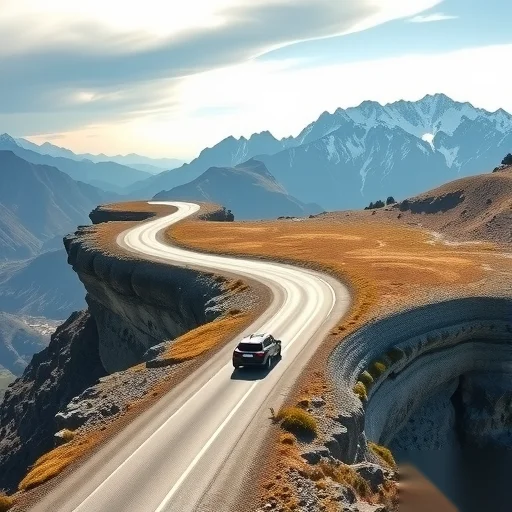
High plateau self-driving tours offer a unique blend of breathtaking natural scenery and adventurous travel. If you’re wondering how to plan such a trip effectively, the answer lies in thorough preparation, understanding the terrain, and choosing the right route. This guide will walk you through the essential steps to ensure a safe, enjoyable, and unforgettable high plateau driving experience.
Before embarking on a high plateau self-driving tour, it’s crucial to understand the unique challenges of this environment. High altitudes can lead to altitude sickness, unpredictable weather, and rugged, often unpaved roads. Additionally, the lack of nearby services and limited cell reception means you need to be well-prepared. The key to a successful trip is planning ahead, researching the route, and packing the right gear.
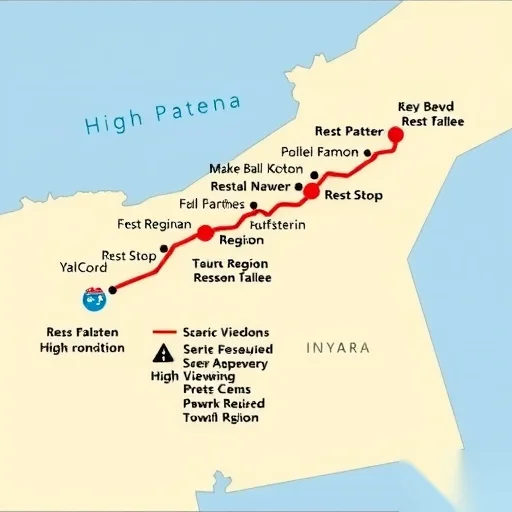
First, choose a destination that suits your interests and physical condition. Popular high plateau regions include the Tibetan Plateau, the Andes, and the Mongolian Plateau, each offering distinct landscapes and cultural experiences. Once you’ve selected a destination, research the best driving routes and road conditions. Many high plateau roads are narrow, winding, and prone to landslides, so it’s important to check for recent updates on road closures and weather advisories.
Next, prepare your vehicle for the journey. High altitudes can affect engine performance, so ensure your car is in excellent condition before departure. Check the tires, brakes, and fuel system, and consider carrying extra fuel in case of unexpected delays. It’s also wise to bring a spare tire, jumper cables, and a basic toolkit. Additionally, pack essential items such as warm clothing, a first-aid kit, and a fully charged power bank.
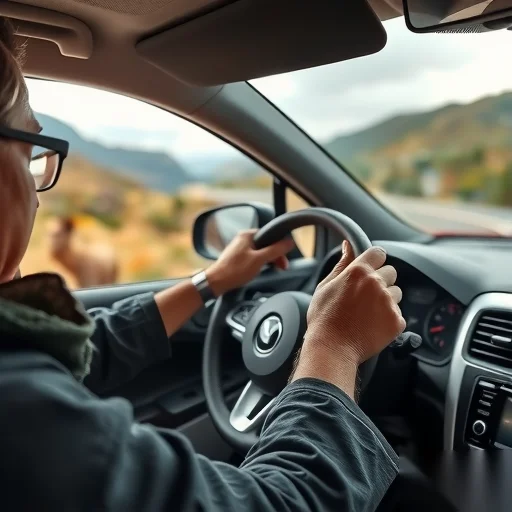
During the trip, it’s important to drive cautiously and respect the environment. High plateau roads often have sharp turns and steep inclines, so maintain a safe speed and avoid sudden maneuvers. Stop frequently to acclimate to the altitude and take in the views. Many drivers find that stopping at scenic viewpoints and rest areas enhances the overall experience.
A real example of a successful high plateau self-driving tour is a trip to the Qinghai Lake area in China. Travelers who planned their route in advance, checked road conditions, and prepared for the altitude reported a smooth and enjoyable journey. They followed a well-marked route, stopped at designated rest areas, and took time to explore the surrounding lakes and mountains. This careful planning allowed them to fully appreciate the beauty of the high plateau without unnecessary stress.
Another important consideration is the timing of your trip. High plateau regions can experience extreme weather conditions, including sudden snowstorms and temperature drops. It’s best to avoid traveling during the peak of the rainy season or when temperatures are at their lowest. Planning your trip during the spring or early autumn months can provide more stable weather and better road conditions.
In addition to practical preparation, it’s also important to consider the cultural and environmental aspects of high plateau travel. Many of these regions are home to indigenous communities and protected natural areas. Respecting local customs, minimizing your environmental impact, and supporting local businesses can enhance your travel experience and contribute to the sustainability of these areas.
Finally, document your journey. High plateau self-driving tours offer incredible photo opportunities, from dramatic mountain vistas to serene lake reflections. Capture these moments with a camera or smartphone, but remember to keep your devices charged and protected from the elements. Sharing your experiences with others can also inspire future travelers and help build a sense of community among adventure enthusiasts.




3 Comments
Anonymous
22/06/2026
I never considered the importance of checking road conditions and weather before a high plateau trip. This article changed my perspective on planning such a journey.
Anonymous
22/06/2026
The image prompts were very descriptive and gave me a clear idea of what to expect on the road. Great visual support for the text.
Anonymous
22/06/2026
This guide was incredibly helpful! I followed the steps and had a fantastic trip to the Tibetan Plateau. The tips on altitude preparation and road conditions were spot on.