
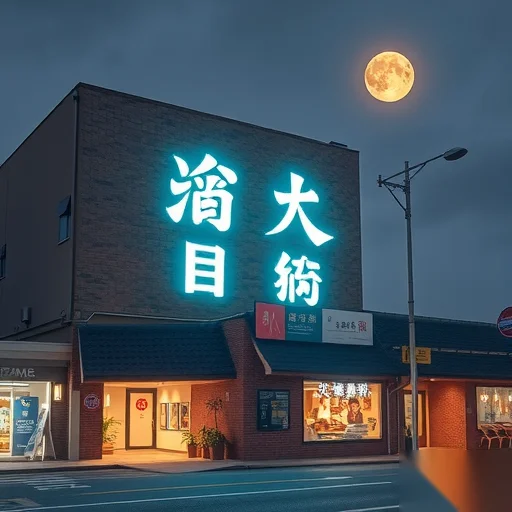
How to Capture the Perfect Night Scene for Light Tourism?
Travel Preparation
Govoyagenow
Light tourism has become a popular trend, especially for those who love capturing the beauty of cities at night. Whether you’re a photography enthusiast or simply looking to enjoy a scenic night view, knowing how to take the perfect light scene photo can make all the difference. The key to success lies in understanding the right equipment, timing, and techniques. By following a few simple steps, you can transform your night photography into a breathtaking experience.
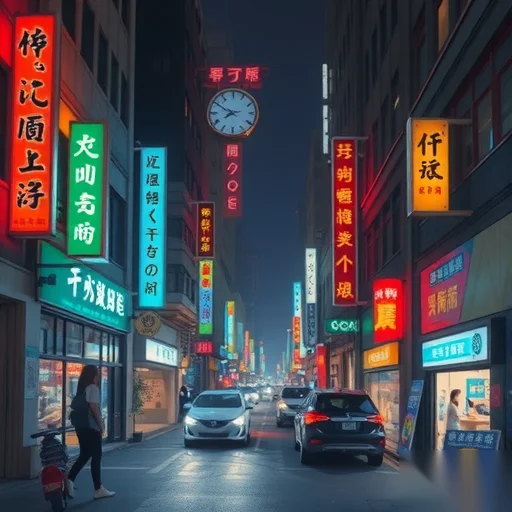
When planning a night scene tour, the first thing to consider is the lighting conditions. Natural light is limited at night, so you’ll need to rely on artificial lights, such as streetlights, neon signs, or building illumination. These light sources can create stunning visuals if you know how to capture them effectively. A long exposure shot can help you capture the glow of city lights and create a dreamy atmosphere. However, without the right settings, your photo may end up too dark or overly bright.
Choosing the right equipment is essential. A DSLR or mirrorless camera with manual settings is ideal for night photography. A tripod is also necessary to keep your camera steady during long exposures. Additionally, a remote shutter release or the camera’s self-timer can help reduce camera shake. If you’re using a smartphone, a high-quality camera app that allows manual adjustments can also work well. Make sure to check the weather forecast and avoid nights with heavy cloud cover, as this can dull the night scene.
Timing is another crucial factor. The best time to capture night scenes is after sunset when the sky is still slightly illuminated. This is known as the “blue hour,” and it provides a beautiful contrast between the dark sky and the glowing lights. However, if you’re aiming for a more dramatic effect, you can shoot during the night when the city lights are at their brightest. For example, if you’re visiting a city known for its skyline, such as Tokyo or Paris, shooting at night can reveal hidden details that are not visible during the day.
Lighting composition is just as important as the technical aspects. When taking a night scene, focus on the contrast between light and dark areas. Use a wide-angle lens to capture the full view of the city and include elements like bridges, rivers, or buildings to add depth to your photo. Experiment with different angles and perspectives to find the most visually appealing composition. You can also use light painting techniques, where you manually add light to specific parts of the scene using a flashlight or phone light. This can create a unique and artistic effect.
A real-world example of this is visiting the skyline of Shanghai at night. The city is known for its dazzling lights, and capturing this scene requires careful planning. Start by arriving early to set up your camera and tripod. Use a wide aperture (such as f/2.8) to allow more light into the lens, and set a long exposure time of around 10–30 seconds. This will help you capture the glow of the city lights while keeping the sky dark. You can also experiment with different exposure times to see how the lights change in intensity.
Another example is visiting a place like Venice at night, where the reflections of the city lights on the water create a magical atmosphere. In this case, using a slower shutter speed can help you capture the movement of the water while preserving the details of the lights. You may also want to include a reflection in your shot to add depth and interest. If you’re using a smartphone, consider using a night mode feature or a dedicated night photography app to enhance the lighting.

2 Comments
Anonymous
17/06/2026
The article explained how to use a tripod and adjust exposure settings. I was a bit nervous about night photography, but now I feel more confident!
Anonymous
16/06/2026
I followed the tips and took some amazing photos of the city skyline at night. The long exposure really brought out the lights in a way I hadn’t seen before!