
How to Travel After a Typhoon? Here’s the Ultimate Guide
Travel Preparation
Govoyagenow
After a typhoon, the idea of traveling might seem risky, but with the right preparation, it can be safe and even rewarding. This guide offers practical tips to help you plan a trip post-typhoon, ensuring your safety and enjoyment. Whether you’re looking for a beach getaway or a city escape, knowing what to do and where to go can make all the difference.
First, assess the damage and safety of your destination. Check local news and weather updates to ensure that the area is safe for travel. If there are still power outages or blocked roads, avoid going to those areas. Also, consider the local infrastructure—have a backup plan in case of unexpected delays or changes in the itinerary.
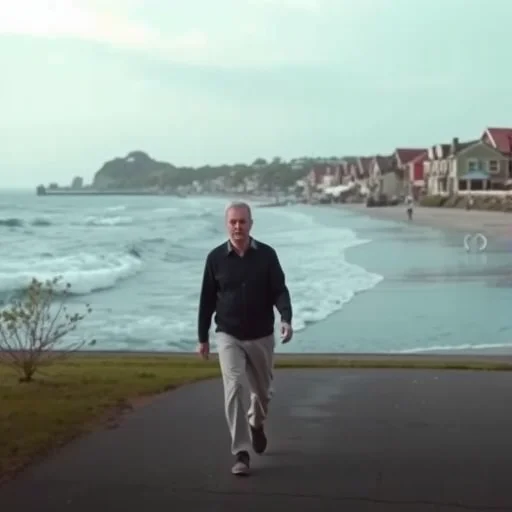
Next, choose a destination that is less affected by the typhoon. Coastal areas may still have some damage, so consider visiting inland regions or places that are known for their resilience. Look for areas with good infrastructure, reliable transportation, and accessible services. If you’re planning a beach trip, check if the beaches are open and safe for swimming.
Once you’ve chosen a destination, plan your trip in advance. Book accommodations that are secure and have good reviews. Opt for hotels or guesthouses that are in safe locations and have emergency protocols in place. Also, ensure that your travel insurance covers natural disasters and unforeseen events.
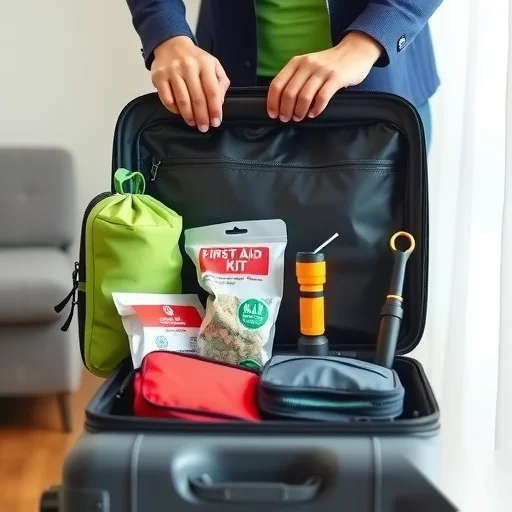
If you’re traveling with family or friends, communicate your plans clearly. Share your itinerary with someone you trust and keep a copy of your travel documents in a safe place. It’s also wise to carry a small emergency kit with essentials like water, snacks, and a first-aid kit.
Let’s take a case study to make this more concrete. After Typhoon Mawar hit Southeast Asia, many travelers shifted their plans to less affected areas. For example, a group of friends decided to visit a mountain resort instead of the coastal beaches. They checked the local conditions, booked a safe accommodation, and prepared for potential delays. Their trip turned out to be a relaxing and memorable experience, proving that with proper planning, travel after a typhoon can still be enjoyable.
In addition to safety, consider the emotional impact of a typhoon. Traveling after a natural disaster can be a way to recover and find peace. Many people find comfort in nature, so consider visiting parks, forests, or serene beaches. These places can help you recharge and reset after a stressful event.
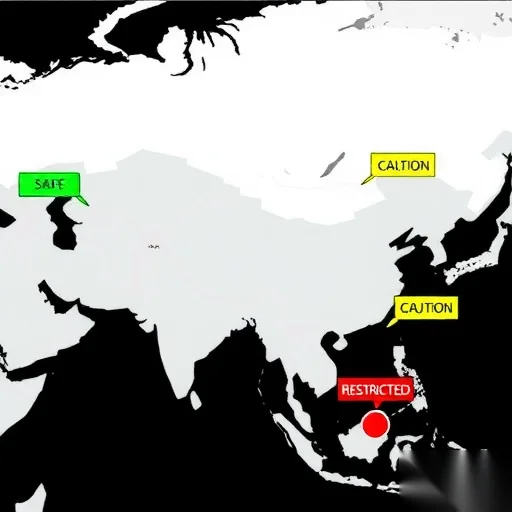
If you’re worried about the weather, you can always choose a destination that is known for its stable climate. Countries like Japan, Thailand, or New Zealand often have well-developed tourism infrastructure and are less affected by typhoons. Researching the best time to visit can also help you avoid peak typhoon seasons.
Finally, stay flexible. Weather conditions can change rapidly, so be prepared to adjust your plans. If a typhoon approaches unexpectedly, it’s better to cancel or delay your trip than to risk your safety. Always prioritize your well-being above all else.
Traveling after a typhoon doesn’t have to be a nightmare. With the right preparation, you can enjoy a safe and fulfilling trip. Whether you’re seeking adventure or relaxation, the key is to stay informed, plan ahead, and remain adaptable. By following these tips, you can turn a challenging situation into an opportunity for exploration and discovery.







2 Comments
Anonymous
14/06/2026
Traveling after a typhoon can be an adventure if you're prepared. I've done it before and it's worth it as long as you check the weather and road conditions first.
Anonymous
14/06/2026
I'm planning a trip to the beach next month, and this guide gives me confidence that I can travel safely even after a typhoon.