

How to Make Your Own Travel Itinerary? The Ultimate Guide for Independent Travelers
Travel Preparation
Govoyagenow
Making your own travel itinerary might seem overwhelming, but with the right approach, it can be one of the most rewarding experiences. Whether you’re a seasoned traveler or just starting out, creating your own plan allows you to explore at your own pace, discover hidden gems, and tailor your trip to your interests. The key is to approach it methodically, balancing preparation with flexibility. In this guide, we’ll walk you through how to create a personalized travel plan that fits your needs and budget.
Traveling without a pre-made itinerary can be both exciting and stressful. You might worry about missing out on must-see attractions, overspending, or getting lost in unfamiliar places. The truth is, planning your trip yourself doesn’t mean you have to follow every guidebook to the letter. It’s about understanding your goals, researching efficiently, and building a plan that works for you. The most important thing is to start early, stay organized, and be open to adjusting as you go.
The first step in creating your own travel itinerary is to define your goals. Ask yourself: What do I want to experience on this trip? Are you looking for adventure, culture, relaxation, or a mix of all? Knowing your priorities will help you decide where to go and how much time to spend in each place. For example, if you’re interested in history, you might focus on museums and historical sites. If you’re into nature, you’ll want to plan hikes, national parks, or scenic drives.
Next, research your destination thoroughly. Start by looking up the best time to visit based on weather, festivals, and local events. Check the visa requirements, transportation options, and accommodation availability. Don’t forget to read reviews from other travelers to get a sense of what to expect. You can use travel websites, forums, and social media to gather insights. However, avoid getting overwhelmed by too much information—focus on the essentials and trust your instincts.
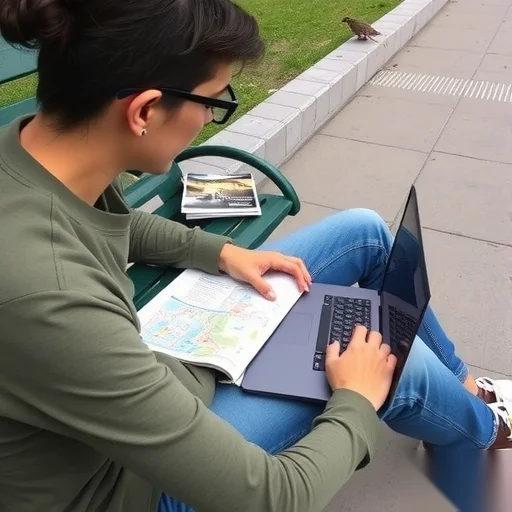
Once you have a clear idea of your goals and the destination, it’s time to outline your daily schedule. Break down your trip into manageable segments, such as days or weeks. Assign specific activities to each day, like visiting a museum, exploring a local market, or enjoying a meal at a recommended restaurant. Be sure to include travel time between locations to avoid rushing. It’s also a good idea to leave some buffer time for unexpected delays or spontaneous adventures.
One of the biggest challenges of self-planning is staying organized. Use a digital tool like Google Calendar, Excel, or a travel app to keep track of your plans. You can also create a physical notebook to jot down notes, save tickets, and store important information. Keep your itinerary flexible—some days might go as planned, while others might require adjustments. The goal is to have a guide, not a rigid schedule.
Let’s take an example: A traveler planning a 7-day trip to Kyoto, Japan. They start by researching the best time to visit—spring for cherry blossoms or autumn for fall foliage. They set a budget and decide to focus on cultural experiences, such as visiting temples, tea houses, and local festivals. They research popular spots like Fushimi Inari Shrine, Kinkaku-ji, and Gion district. They book accommodations in advance and plan to take a day trip to Arashiyama. They also leave room for spontaneous visits to small shops or cafes. By the end of the trip, they’ve had a rich, personalized experience that fits their interests.
Another key aspect of creating your own itinerary is considering your budget. Determine how much you’re willing to spend on flights, accommodation, food, and activities. Look for affordable options, such as budget hotels, local eateries, or free attractions. You can also save money by traveling during off-peak seasons or using travel rewards programs. However, don’t compromise on quality—choose places that align with your preferences and values.
Finally, prepare for the unexpected. Travel plans can change due to weather, transportation issues, or personal preferences. Always have a backup plan, such as alternative routes or activities. Pack essentials like travel documents, a reusable water bottle, and a portable charger. Stay informed about local customs and safety tips to ensure a smooth trip.
In conclusion, creating your own travel itinerary is a valuable skill that empowers you to take control of your journey. It requires research, planning, and adaptability, but the rewards are well worth the effort. By following a clear process and staying open-minded, you can design a trip that is both enjoyable and meaningful.



2 Comments
Anonymous
08/06/2026
Planning my own itinerary has transformed how I travel. I feel more connected to the places I visit and discover hidden gems that tours miss.
Anonymous
08/06/2026
I'm a first-time traveler and this guide gave me the confidence to create my own plan. It's so inspiring to see how others organize their adventures.