
Why Spend Hours Planning Your Trip? Here’s a Smart Way to Save Time
China Travel Guide
Govoyagenow

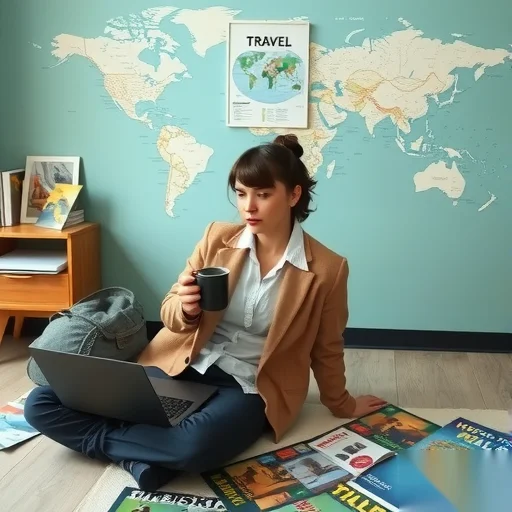
When it comes to planning a trip, the thought of spending hours sorting through endless information can be overwhelming. But what if there was a smarter way to create a travel plan that saves you time and stress? The answer lies in using a structured, efficient approach to organizing your trip. By focusing on key principles and breaking the process into manageable steps, you can create a detailed and enjoyable travel plan in just a few hours—without the headache.
The first step in simplifying your travel planning is to understand the core principle: less is more. Instead of trying to include every possible activity or destination, prioritize what truly matters to you. Ask yourself: What are my main goals for this trip? Is it relaxation, adventure, cultural exploration, or a mix of all? By narrowing down your priorities, you can avoid the trap of over-planning and ensure your itinerary aligns with your personal preferences. This not only saves time but also makes your trip more enjoyable and meaningful.
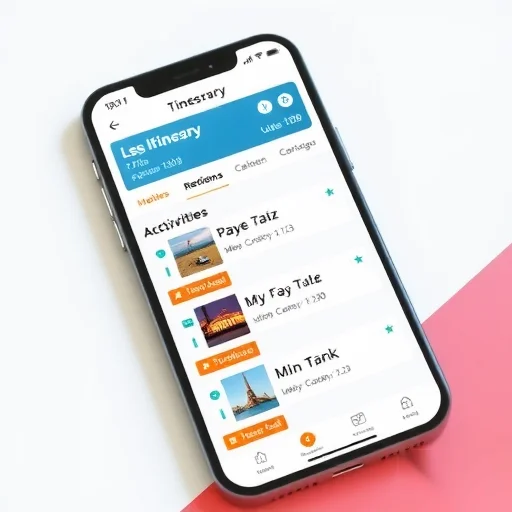
Once you’ve identified your priorities, it’s time to break the process into clear, actionable steps. Start by setting a clear travel date and destination. This will serve as the foundation for your planning. Next, research the destination using trusted sources—like travel blogs, forums, and official tourism websites. Focus on gathering information about the best times to visit, local customs, and essential travel tips. Then, create a rough outline of your daily activities, keeping in mind your budget and time constraints. Finally, use a digital tool or app to organize your plan, making it easy to update and share with others.
Let’s take a real-life example to illustrate this approach. Sarah, a busy professional, wanted to plan a solo trip to Japan for her first time. Instead of spending weeks researching every possible attraction, she started by deciding on a three-week itinerary centered around Tokyo and Kyoto. She prioritized cultural experiences like visiting temples and museums, while also allowing time for relaxation. She used a travel app to create a detailed schedule, including transportation, accommodation, and meal plans. By focusing on her priorities and using a structured approach, Sarah was able to plan her trip in just a few hours and enjoy a stress-free, fulfilling experience.
Another key aspect of efficient travel planning is delegation and automation. For instance, using online booking platforms can save you hours of time by allowing you to compare prices, read reviews, and book flights, hotels, and activities all in one place. Similarly, setting up automatic reminders for important dates—like passport renewals or flight check-ins—can help you avoid last-minute stress. These small but effective strategies can make a big difference in how smoothly your trip goes.
It’s also important to remember that flexibility is key. While having a rough plan is essential, being open to changes can lead to unexpected and memorable experiences. For example, if a local festival is happening during your stay, it might be worth adjusting your schedule to attend. By building in some flexibility, you can enjoy the spontaneity of travel without sacrificing the structure you need to stay on track.
Lastly, don’t forget to take care of yourself during the planning process. It’s easy to get caught up in the excitement of planning a trip, but it’s important to maintain a healthy balance. Take breaks, stay organized, and don’t hesitate to ask for help from friends or family. A well-planned trip is a reflection of your effort, but it shouldn’t come at the cost of your well-being.
In conclusion, organizing a travel plan doesn’t have to be a tedious task. By focusing on your priorities, using efficient tools, and staying flexible, you can create a detailed and enjoyable itinerary in a fraction of the time. The key is to approach the process with a clear mindset and a structured plan, allowing you to relax and enjoy your trip without the stress of last-minute scrambling.



3 Comments
Anonymous
26/05/2026
I tried this method for my trip to Bali and it worked so well! I saved hours and had a great time.
Anonymous
26/05/2026
This is exactly what I needed. I used the app mentioned and it made everything so much easier.
Anonymous
26/05/2026
I love how it emphasizes prioritizing what matters. I’ll definitely try this next time.