
Exploring Kaifeng by Bus? Here’s How to Navigate the Ancient Capital
Practical Travel Tips
Govoyagenow
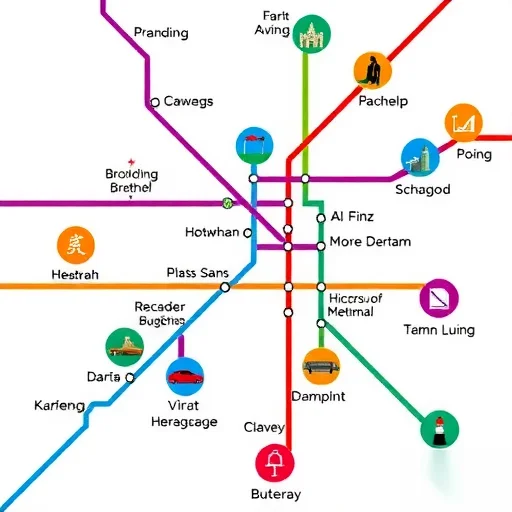
The straightforward answer is that Kaifeng, an ancient capital with sites scattered across its modern city, is surprisingly easy to explore by public bus—once you understand the system’s logic. Most visitors make the mistake of relying on taxis or ride‑hailing apps for every trip, spending unnecessarily on short distances while missing the opportunity to see the city like a local. The solution is to use the bus network to string together the main attractions: the **Millennium City Park** (Qingming Shanghe Yuan), the **Iron Pagoda**, and the **Bao Gong Temple**, all connected by a few key bus routes. With a simple Alipay transport card and a bit of route planning, you can move efficiently and cheaply between Kaifeng’s Song‑dynasty treasures.
The biggest mistake is assuming you need a car to see the main sites. The attractions are actually clustered in two main areas: the **western scenic zone** (Millennium City Park, Chinese Han Garden) and the **eastern historical zone** (Iron Pagoda, Dragon Pavilion). Another common error is trying to visit too many sites in a single day without accounting for the bus schedules, which are frequent but can be crowded on weekends. The principle is simple: choose one cluster per day, use the bus to move between the two if you’re ambitious, and always have your destination written in Chinese to show the driver or fellow passengers.
Start by setting up your digital transport. In Kaifeng, buses accept **Alipay** (tap the “Transport” icon and select “Kaifeng Public Transport”) or a local transport card. Cash is also accepted, but exact change is preferred. The main bus routes you’ll use are **Route 1**, which runs east‑west through the city center, and **Route 30**, which connects the train station to the western scenic area. Download an offline map app like Maps.Me, and mark the bus stops near your hotel and the attractions.
If you’re arriving by high‑speed rail, take **Bus 30** from Kaifeng North Station directly to the **Millennium City Park**. This is the city’s most popular attraction, a sprawling theme park based on the famous Song‑dynasty scroll “Along the River During Qingming Festival.” The park has reconstructed streets, performances, and canals that recreate the bustling atmosphere of the ancient capital. Spend a morning here, then take **Bus 1** from the park’s east gate to the **Iron Pagoda** (Youguo Temple) in the eastern part of the city.

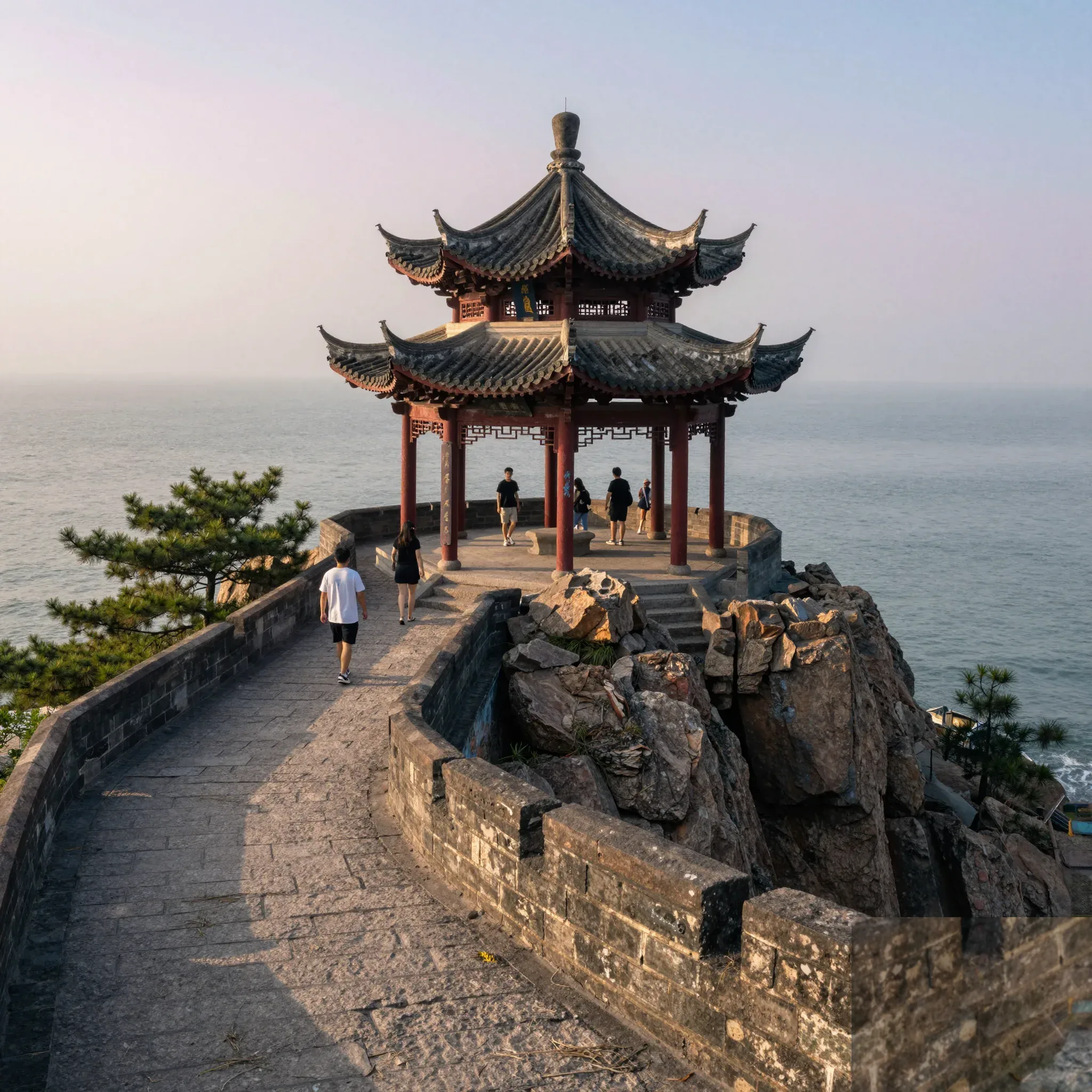
The Iron Pagoda, built in 1049, is one of Kaifeng’s few surviving Song‑dynasty structures. The pagoda’s iron‑colored glazed bricks give it its name, and you can climb to the top for a view of the city. From here, **Bus 1** continues to the **Dragon Pavilion**, a complex of lakes and pavilions that was once the imperial palace of the Northern Song. The walk across the long causeway between the two lakes is a classic Kaifeng experience.
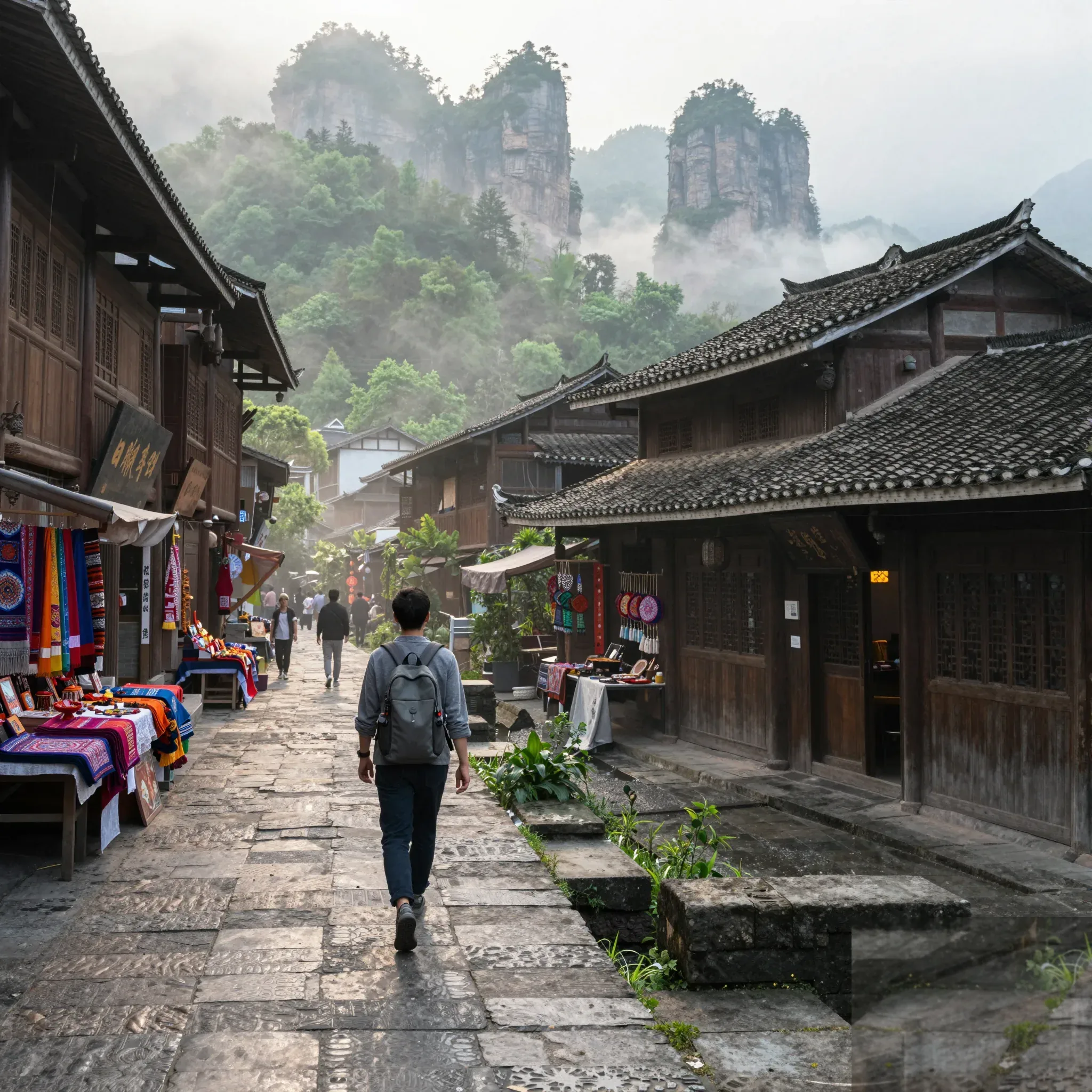
For lunch, get off **Bus 1** at the **Shudi (Bookstore) Street** area, where narrow lanes house small restaurants serving Kaifeng specialties: **steamed dumplings (xiaolongbao)**, **peanut cakes**, and **soup with fried bread (hulatang)**. The street itself is a pleasant walk, with old shops and a local market atmosphere.
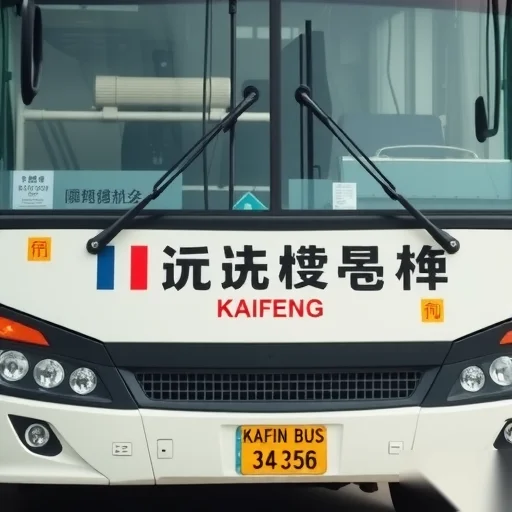
If you have a second day, take **Bus 30** to the **Bao Gong Temple** (Baogongci) area in the southwest. This temple honors the legendary Song‑dynasty official Bao Zheng, known for his incorruptibility. The surrounding lake and park are a peaceful place for a morning walk. From there, **Bus 7** can take you to the **Kaifeng Museum**, which houses an excellent collection of Song‑dynasty artifacts and gives context to the city’s historical sites.
A concrete example: a traveler I know spent two days in Kaifeng using only public buses. Day one: he took Bus 30 from the train station to Millennium City Park, spent the morning there, then took Bus 1 to the Iron Pagoda, had lunch on Shudi Street, and walked to the Dragon Pavilion. Day two: he took Bus 30 to Bao Gong Temple, walked to the museum, then used Bus 7 to return to the city center. He spent less than ¥20 on transport total and felt he’d seen the city’s highlights without any logistical stress.
Logistics: Kaifeng’s bus system is well‑marked with Chinese characters; having your destination written down is helpful. Buses are frequent, typically every 5‑10 minutes on main routes. The city is flat, so walking between nearby attractions is also easy. The best seasons are spring and autumn; summer can be hot and humid, and winter is cold but less crowded. Wear comfortable shoes; the attractions involve considerable walking. Kaifeng’s main Song‑dynasty sites are easily connected by bus routes 1 and 30, allowing a two‑day itinerary: Millennium City Park, Iron Pagoda, and Dragon Pavilion via Bus 1; Bao Gong Temple and the museum via Bus 30—all accessible with Alipay transport.
#

5 Comments
Anonymous
11/05/2026
Kaifeng’s buses are clean and efficient. I used this guide to do the two‑day itinerary and it worked perfectly. The lunch recommendation on Shudi Street was spot on—the xiaolongbao were excellent. The Bao Gong Temple is a peaceful contrast to the busier sites. Highly recommend this approach over taxis.
Anonymous
11/05/2026
the Iron Pagoda is the real gem. A great way to see the city on a budget.
Anonymous
11/05/2026
We traveled with a toddler, and the bus was surprisingly easy. People were helpful, and we never waited more than a few minutes for a bus. The Millennium City Park has shows that kids enjoy, and the Dragon Pavilion causeway is a nice walk with a stroller. A good family‑friendly city.
Anonymous
11/05/2026
I’m a history buff, and Kaifeng’s Song‑dynasty sites are underrated. The Iron Pagoda is the only original structure from that era, and it’s worth the climb. The bus system made it easy to move between sites without worrying about parking. A very manageable city to explore.
Anonymous
10/05/2026
I was nervous about using the bus in a city where I don’t speak Chinese, but this guide made it easy. The Alipay transport card worked perfectly, and having the route numbers written down helped. Bus 1 connects all the main sights. The Millennium City Park is a bit touristy but fun