
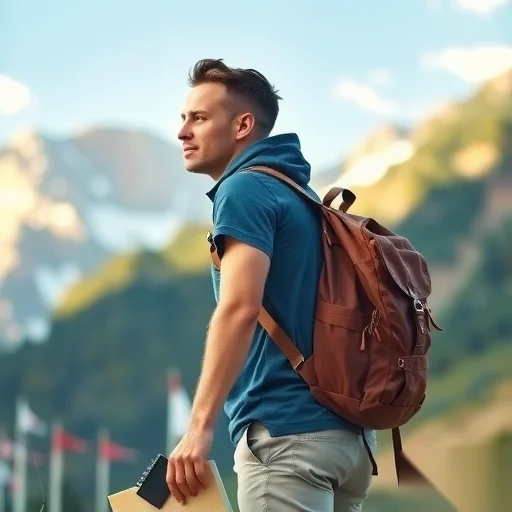
How to Plan a Self-Guided Travel Itinerary? A Step-by-Step Guide for Solo Travelers
China Travel Guide
Govoyagenow

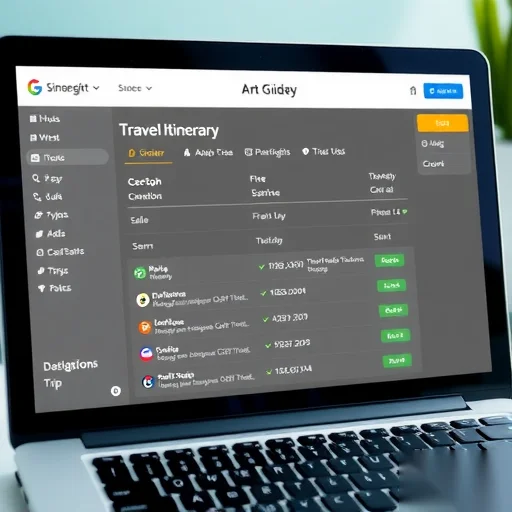
Planning a self-guided travel itinerary might seem overwhelming, especially if you’re a first-time solo traveler. But with the right approach, it can be an incredibly rewarding experience. The key to a successful self-guided trip lies in thorough preparation, flexibility, and a clear plan. This guide will walk you through the essential steps to create a personalized and stress-free travel route that fits your interests, budget, and time frame.
Start by defining your travel goals. Are you looking for adventure, relaxation, cultural immersion, or a mix of all? Knowing what you want from your trip helps narrow down destinations and activities. For example, if you’re into hiking, you might prioritize places with natural landscapes, while someone interested in history may choose cities with rich cultural heritage.
Next, research your destinations. Gather information about the local culture, weather, transportation options, and must-see attractions. Use reliable travel websites, blogs, and forums to get insights from fellow travelers. Don’t forget to check visa requirements, health advisories, and safety tips. This step ensures you’re well-informed and prepared for any situation.
Once you have a list of potential destinations, map out your route. Decide on the order of your stops, considering travel time, distance, and how long you’ll stay in each place. It’s important to build in some flexibility for unexpected changes or delays. For instance, if you’re traveling from Tokyo to Kyoto to Osaka, you might allocate two days in Kyoto to explore temples and cultural sites, while spending one day in Osaka for shopping and dining.
Booking accommodations and transportation is the next step. Choose places that fit your budget and travel style—whether it’s a budget hostel, boutique hotel, or a home-sharing option like Airbnb. For transportation, consider a mix of trains, buses, and flights depending on your itinerary. Some travelers prefer to book flights in advance for better prices, while others opt for flexible options like one-way tickets or local transit passes.
Finally, pack wisely and stay organized. Make a checklist of essential items such as travel documents, clothing, and personal belongings. Keep your itinerary and important information in a secure place, like a digital folder or a physical notebook. Staying organized helps reduce stress and ensures you’re ready for every part of your journey.
Let’s look at an example to see how this works in practice. Imagine a traveler planning a 10-day self-guided trip through Southeast Asia. They start by deciding on a mix of adventure and culture, so they choose destinations like Bangkok, Chiang Mai, and Phuket. After researching, they map out their route: arriving in Bangkok for a few days, then flying to Chiang Mai to explore the mountains and temples, followed by a beach getaway in Phuket. They book hostels in each city, arrange local transport, and pack accordingly. This structured yet flexible plan allows them to enjoy each destination without the stress of last-minute decisions.
Self-guided travel is not just about following a plan—it’s about adapting and embracing the unexpected. While a well-organized itinerary provides a solid foundation, being open to new experiences and spontaneous detours can make your trip even more memorable. Whether you’re traveling alone or with friends, a thoughtful plan ensures you make the most of your time while staying safe and comfortable.
One of the biggest advantages of self-guided travel is the freedom it offers. You can set your own pace, choose your own activities, and explore at your own convenience. Unlike group tours, where the schedule is dictated by others, solo or group self-guided trips allow you to tailor your experience to your preferences. This flexibility is especially appealing to travelers who value independence and personalization.
However, it’s important to balance flexibility with preparation. While spontaneity is part of the charm, having a backup plan for things like weather changes, transportation delays, or unexpected closures can prevent unnecessary stress. For example, if a planned attraction is closed, having a list of alternative activities or nearby sites ensures you don’t waste time. Similarly, knowing the nearest hospital or embassy in case of emergencies adds an extra layer of security.
Another key consideration is budgeting. Self-guided travel allows for greater control over expenses, but it also requires careful planning. Allocate funds for accommodation, food, transportation, and activities, and be mindful of hidden costs like entrance fees or local taxes. Using budgeting apps or spreadsheets can help you track your spending and stay within your limits.
Lastly, don’t forget to take care of yourself during your trip. Travel can be exhausting


5 Comments
anonymous
30/04/2026
I'm a solo traveler and this step-by-step approach is exactly what I needed to organize my next adventure.
anonymous
30/04/2026
I love the idea of having a flexible plan while still staying on track. It's the best of both worlds!
anonymous
30/04/2026
The visual of the itinerary on the laptop really helps me imagine how everything will come together.
anonymous
30/04/2026
This article has given me the confidence to plan my own trip without feeling lost or unsure.
anonymous
30/04/2026
Planning a self-guided trip can be both exciting and overwhelming, but this guide makes it feel doable!