
How to Plan a Perfect Xinjiang Trip Like a Local?
Seasonal Travel
Govoyagenow
Xinjiang, with its vast deserts, towering mountains, and rich cultural heritage, is a dream destination for many travelers. However, planning a trip to Xinjiang can be overwhelming due to its size, diverse landscapes, and unique cultural experiences. The key to a successful Xinjiang trip lies in careful planning, understanding the region’s geography, and knowing which attractions to prioritize. If you’re wondering how to make the most of your time in Xinjiang without missing out on the highlights, this guide will show you exactly how to plan a trip that feels like a local’s secret.
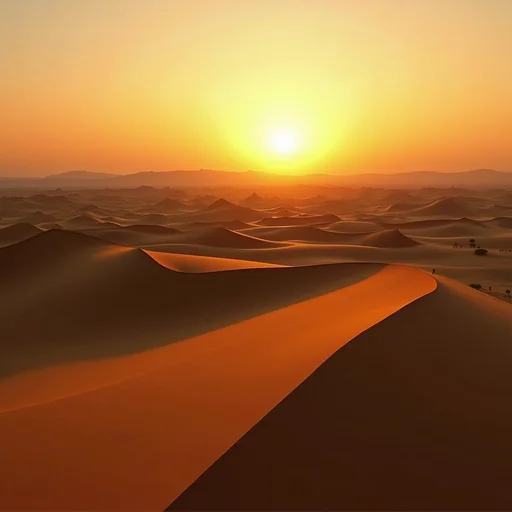
Xinjiang is one of the largest regions in China, covering over 1.6 million square kilometers. It is home to the Taklamakan Desert, the Pamir Mountains, the Silk Road, and the famous cities of Urumqi, Kashgar, and Kashgar. With such a vast area, it’s easy to feel lost or unsure about where to start. The best way to navigate this is by focusing on a few key destinations and planning your route accordingly. Instead of trying to see everything, choose a few must-visit spots and allocate enough time to explore them thoroughly.
One of the most popular routes for first-time visitors is the “Classic Xinjiang Loop,” which includes Urumqi, Turpan, Karamay, and Kashgar. This route allows you to experience the region’s natural beauty, cultural diversity, and historical significance. Another popular option is the “Silk Road Route,” which takes you through cities like Kashgar, Yarkand, and Kashgar again, giving you a deeper insight into the region’s Silk Road heritage. Whatever route you choose, it’s important to plan your itinerary in advance and consider the travel time between cities.
When planning your trip, it’s also essential to take into account the best time to visit. Xinjiang has a continental climate, with cold winters and hot summers. The best time to visit is from April to October, when the weather is mild and the landscapes are at their most beautiful. However, if you’re interested in experiencing the winter scenery, you can visit the snow-capped mountains of the Tianshan range or the frozen lakes of the Altay Mountains. Keep in mind that some areas may be closed during certain seasons, so it’s best to check the local conditions before you travel.
Transportation in Xinjiang is mostly by bus, train, or plane. The most convenient way to travel between major cities is by train or bus, as these options are more affordable and allow you to experience the local culture along the way. For longer distances or more scenic routes, consider taking a flight or a private car. It’s also a good idea to book your transportation in advance, especially during peak travel seasons.
Accommodation options in Xinjiang range from budget-friendly guesthouses to luxury hotels. In cities like Urumqi and Kashgar, you’ll find a variety of options to suit different budgets. For a more authentic experience, consider staying in a local homestay or a traditional yurt in the desert. These accommodations not only offer a unique glimpse into the local lifestyle but also provide a more immersive travel experience.
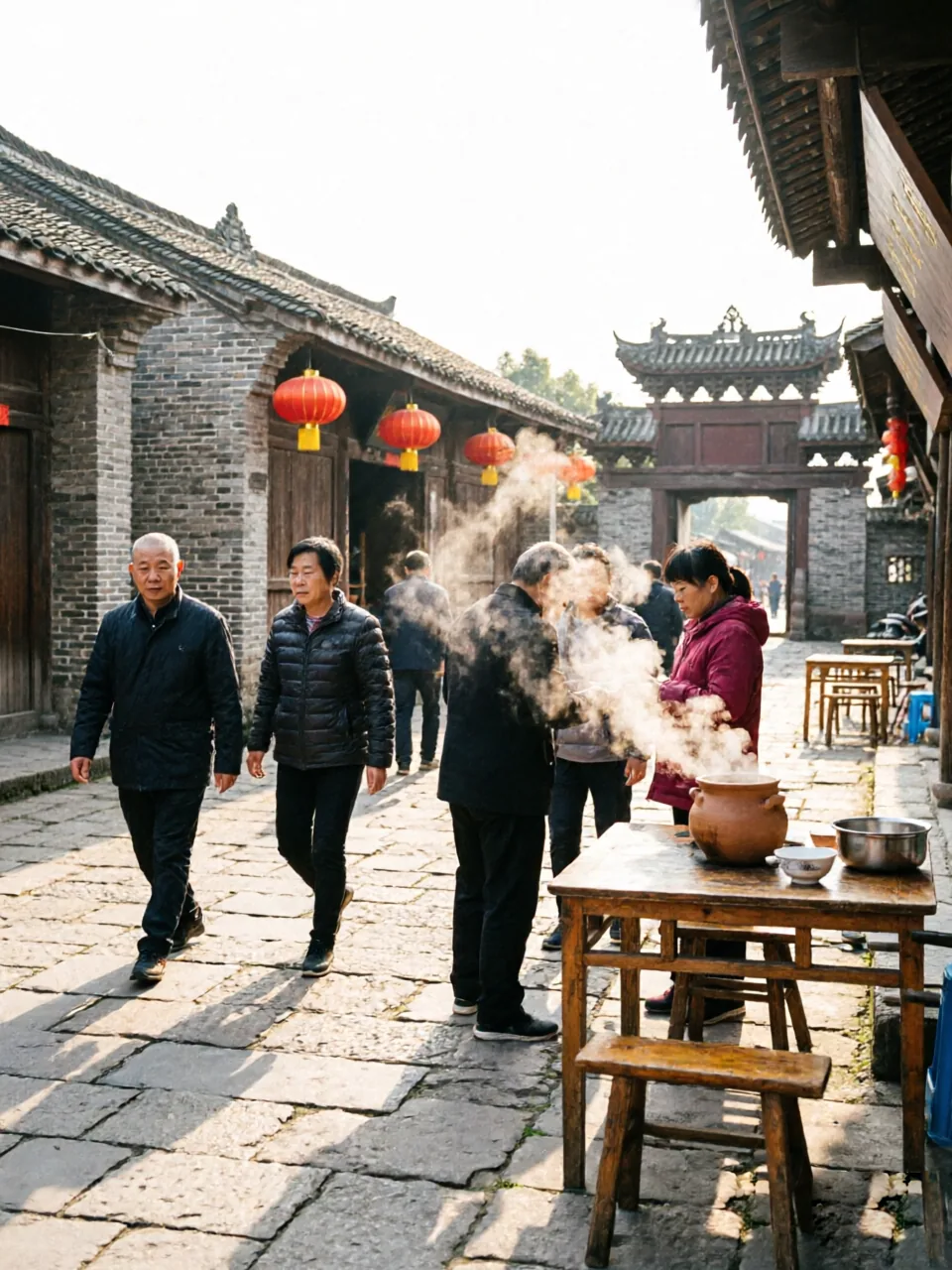
When it comes to food, Xinjiang is a paradise for food lovers. The region is known for its delicious and diverse cuisine, including kebabs, hand-pulled noodles, and various types of bread. Don’t miss the opportunity to try the famous Peking duck, which is a local specialty. It’s also a good idea to bring some snacks or food from home, as the local food can be quite expensive in some areas.
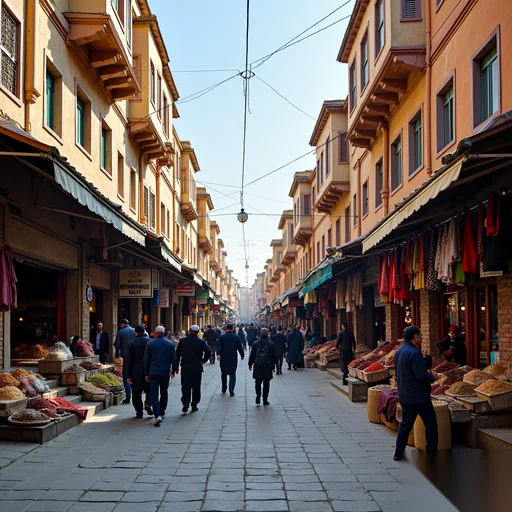
One of the most unforgettable experiences in Xinjiang is visiting the ancient cities and historical sites. Kashgar, for example, is a gateway to Central Asia and home to the famous Id Kah Mosque. The city’s old town is a maze of narrow streets, colorful buildings, and bustling markets. Another must-see is the Kizil Caves, a group of Buddhist cave temples that date back to the 4th century. These caves are a testament to the region’s rich history and cultural heritage.



3 Comments
匿名
19/04/2026
The tips on transportation and accommodation were exactly what I needed. Planning a trip to Xinjiang is easier than I thought after reading this.
匿名
19/04/2026
This guide is so helpful! I never knew where to start with Xinjiang, but now I have a clear plan. I’m excited to visit Kashgar and the Silk Road cities.
匿名
18/04/2026
The food section was a real eye-opener. I didn’t realize how much variety there is in Xinjiang cuisine. I’m definitely bringing some snacks from home now.