
How to Plan the Perfect Lhasa Travel Itinerary? A Step-by-Step Guide for First-Time Visitors
Seasonal Travel
Govoyagenow

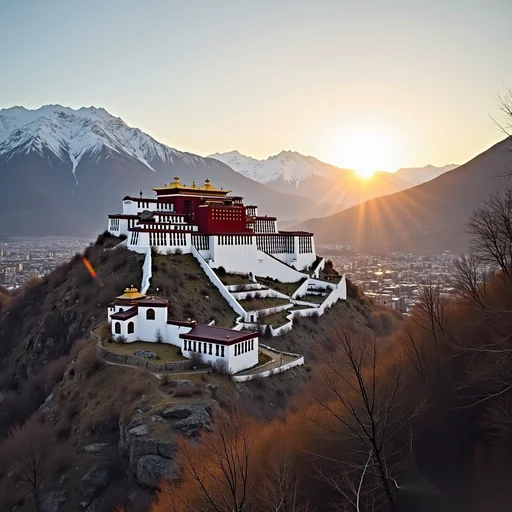
Lhasa, the holy city of Tibet, is a destination that combines breathtaking natural landscapes, rich cultural heritage, and spiritual significance. However, planning a trip to Lhasa can be overwhelming for first-time visitors. The city’s high altitude, limited public transportation, and the need to balance sightseeing with acclimatization can make the experience stressful. The solution? A well-structured Lhasa travel itinerary that covers the most iconic attractions while respecting the body’s need to adjust to the altitude. This guide will walk you through how to plan a seamless and unforgettable journey to Lhasa, ensuring you make the most of your time without overexerting yourself.
Before diving into the details, it’s essential to understand the core principles of planning a Lhasa itinerary. First, Lhasa is a relatively small city, but it is rich in history and culture. The most iconic sites—such as the Potala Palace, Jokhang Temple, and Barkhor Street—are all within walking distance of each other, making it ideal for a short trip. However, the city is located at an altitude of around 3,650 meters, so it’s crucial to allow time for acclimatization. The first day should be used to rest and adjust to the altitude, allowing your body to adapt to the thinner air. Once you’ve acclimatized, you can begin exploring the city’s main attractions at a leisurely pace. This approach not only prevents altitude sickness but also ensures you can fully appreciate the beauty and significance of each site.
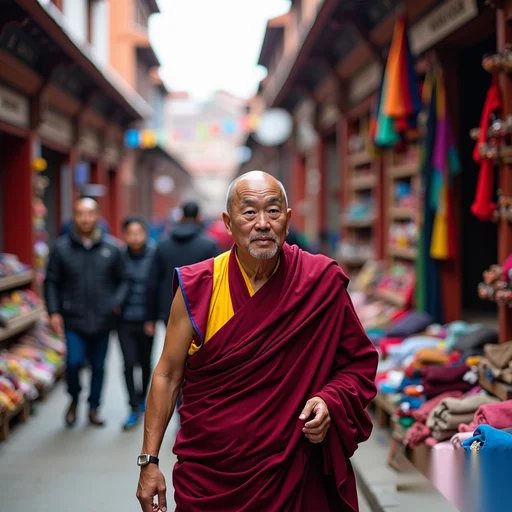
Start your Lhasa journey with a day of rest. Upon arrival, it’s best to stay in a comfortable hotel near the city center, such as near the Jokhang Temple. The first day should be spent resting, hydrating, and possibly visiting a few nearby attractions that are not too strenuous. The Jokhang Temple is a must-visit, but it’s best to take your time and avoid rushing. Spend the afternoon exploring the Barkhor Street, the bustling commercial and religious hub of Lhasa. This street is lined with shops selling traditional Tibetan goods, and it’s also a place where locals and pilgrims gather to pray. The atmosphere is both lively and sacred, making it a great introduction to Lhasa’s culture and spirituality.
Once you’ve acclimatized, the next few days should focus on visiting the most iconic landmarks. The Potala Palace is the crown jewel of Lhasa and a UNESCO World Heritage Site. It’s recommended to visit this site in the morning, as the crowds are smaller and the light is ideal for photography. The palace is a stunning example of Tibetan architecture, with its golden roofs and intricate carvings. After visiting the Potala Palace, head to the Norbulingka, the former summer palace of the Dalai Lama, which is a short drive from the city center. This site offers a peaceful escape with beautiful gardens and a more relaxed atmosphere compared to the Potala Palace.
For those interested in deeper cultural experiences, a visit to the Sera Monastery is a must. This monastery is known for its vibrant prayer flags and the monks’ morning chanting sessions. The view from the monastery’s upper terrace is also breathtaking, offering panoramic views of the city. If you have time, a day trip to the nearby Mount Everest and the Yarlung Tsangpo Grand Canyon can be a highlight of your trip. These natural wonders are not only visually stunning but also provide a sense of the vastness and majesty of the Tibetan Plateau.
It’s important to plan your days carefully, allowing for rest days to avoid overexertion. Lhasa can be a physically demanding destination due to the altitude, so pacing yourself is key. Additionally, it’s advisable to carry medication for altitude sickness and to stay hydrated throughout your trip. Packing appropriately for the weather is also essential, as temperatures can vary greatly, especially at night.
A practical example of a well-planned Lhasa itinerary would be a five-day trip that starts with a day of rest, followed by visits to the Jokhang Temple and Barkhor Street. The next day could be spent exploring the Potala Palace and Norbulingka, with a day trip to Mount Everest on the third day. The fourth day could focus on the Sera Monastery and a visit to the Tibetan Museum, and the final day could be spent shopping and reflecting on the experiences of the trip. This structure ensures that you can enjoy the highlights of
5 Comments
匿名
19/04/2026
This article has given me a clear idea of what to expect and how to plan a meaningful trip to Lhasa.
匿名
19/04/2026
The photos of the Potala Palace at sunrise are absolutely stunning—it's easy to see why Lhasa is considered sacred.
匿名
19/04/2026
The step-by-step approach seems perfect for someone like me who's never been to such a remote area before.
匿名
19/04/2026
I've always wanted to visit Tibet, and this guide makes it feel more approachable for first-time travelers.
匿名
19/04/2026
I'm especially interested in the cultural tips—Tibet is such a unique place with its own traditions.