
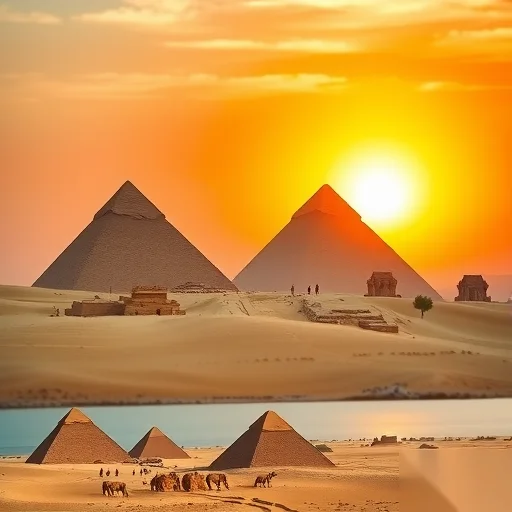
How to Plan Your Egyptian Adventure: A Complete Travel Guide
Seasonal Travel
Govoyagenow

Traveling to Egypt can be an unforgettable experience, but without proper planning, it’s easy to feel overwhelmed by the sheer scale of the country’s attractions and the nuances of its culture. The key to a successful Egyptian adventure lies in thorough preparation, understanding local customs, and knowing which experiences to prioritize. This guide provides a clear, step-by-step approach to help you plan your trip like a pro, ensuring you get the most out of your time in this ancient and fascinating land.
Egypt is a country of contrasts—ancient wonders, vibrant cities, and rich cultural traditions. However, navigating its complex geography, language barriers, and logistical challenges can be daunting for first-time visitors. The solution? Start by setting clear travel goals and researching the best time to visit. Whether you’re interested in exploring the pyramids, relaxing on the Red Sea coast, or immersing yourself in the daily life of Cairo, having a plan will make your trip more enjoyable and stress-free.
One of the first steps in planning your Egyptian adventure is to choose the right time to visit. Egypt has a hot, arid climate, with the best weather from October to April. During these months, temperatures are more moderate, making it ideal for sightseeing. If you’re planning to visit the Red Sea or Sinai, consider traveling between November and March when the weather is cooler and the seas are calmer. Avoid the summer months, as they can be extremely hot and uncomfortable, especially in cities like Cairo and Luxor.
Next, decide on your travel style. Are you a history buff looking to explore ancient temples and tombs, or are you more interested in beaches and modern entertainment? Egypt offers something for everyone. For those passionate about history, a trip to Luxor and Aswan is a must. These cities are home to the Valley of the Kings, Karnak Temple, and the Philae Temple, all of which offer a deep dive into Egypt’s ancient past. If you’re drawn to natural beauty, the Red Sea coast and the Sinai Peninsula provide stunning beaches, crystal-clear waters, and unique landscapes.
Once you’ve narrowed down your interests, it’s time to plan your itinerary. Start by booking flights and accommodation in advance. Egypt has a wide range of options, from luxury hotels in Cairo to budget-friendly guesthouses in Luxor. Consider staying in areas close to major attractions to save time and money. For example, if you’re visiting the pyramids of Giza, staying in Downtown Cairo or near the airport will make it easier to explore the site early in the morning when crowds are smaller.
Transportation within Egypt can be a bit tricky, especially if you’re not familiar with the local system. Renting a car is an option, but be aware that traffic in cities like Cairo can be chaotic. Alternatively, use local transportation such as buses, taxis, or even Uber. In some areas, like the Nile River, traditional feluccas (sailboats) are a popular and scenic way to travel. Always confirm the best routes and transportation options with your hotel or a local guide to avoid any unexpected delays.
Cultural awareness is another essential aspect of planning your trip. Egypt is a deeply traditional society, and respecting local customs will enhance your experience. Dress modestly when visiting religious sites, and be mindful of your behavior in public spaces. Learning a few basic Arabic phrases, such as “Salam” (hello) or “Shukran” (thank you), can also go a long way in building positive interactions with locals.
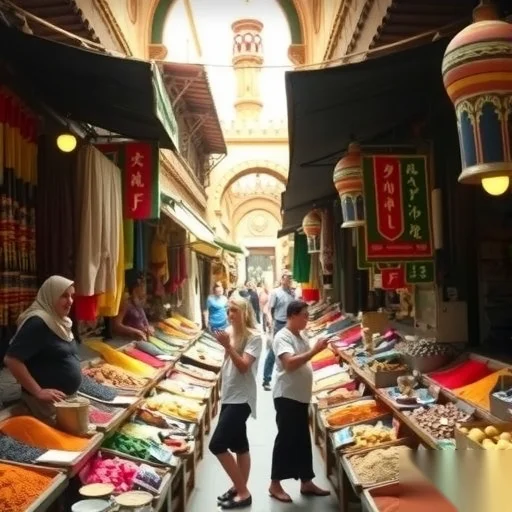
Finally, don’t forget to include some local experiences in your itinerary. The bustling markets of Khan El Khalili, the vibrant nightlife in Cairo, and the traditional music and dance performances in Luxor are all unique aspects of Egyptian culture that should not be missed. These experiences will give you a deeper understanding of the country and create lasting memories.
To give you a real-world example, consider the case of Sarah, a traveler who visited Egypt for the first time. She planned her trip by researching the best time to visit, focusing on historical sites, and booking accommodations in proximity to major attractions. She also took the time to learn basic Arabic phrases and immersed herself in local culture by visiting markets and trying traditional foods. As a result, she had a smooth and unforgettable experience, exploring the pyramids, the Valley of the Kings, and the Red Sea coast with ease.
By following these steps and keeping your travel goals in mind, you can create a well-structured and enjoyable Egyptian adventure. With proper planning, you’ll be able to experience the best of this ancient land without the stress

4 Comments
Anonymous
16/05/2026
I love the part about the markets. It sounds like such an authentic and exciting experience.
Anonymous
16/05/2026
This guide covers everything I needed to know. Thanks for the helpful tips and recommendations!
Anonymous
16/05/2026
The photos are breathtaking—especially the Pyramids at sunrise. I can't wait to visit!
Anonymous
15/05/2026
What an amazing guide! I'm planning a trip to Egypt and this has given me so many ideas.