
January Food Guide: Smart Shopping for Seasonal Abundance
未分类
Govoyagenow
January is the month when grocery budgets stretch thin and produce bins look disappointing, yet it is also one of the most strategically rewarding seasons for food planning. A well-timed January food guide reveals that root vegetables, brassicas, and citrus fruits dominate the shelves, offering both lower prices and peak flavor profiles. This guide cuts through the post-holiday slump by showing exactly which ingredients are at their best, how to store them for maximum shelf life, and which dishes turn these cold-weather staples into satisfying meals. Instead of relying on imported luxuries, the focus shifts to what is locally abundant, nutritious, and naturally sweeter after the first frosts.
The key lies in understanding the rhythm of winter harvests. Root crops like carrots, beets, parsnips, and turnips mature underground, shielded from freezing temperatures, which allows their starches to convert into sugars. This biological process makes January the sweetest time to cook them. Similarly, brassicas such as kale, Brussels sprouts, and cabbage develop richer flavors when exposed to cold, while citrus varieties arrive at their juiciest peak. Knowing these cycles helps cooks avoid the mistake of buying limp, overpriced greenhouse greens and instead build meals around ingredients that are naturally resilient and flavorful.
Root Vegetables: The Foundation of January Cooking
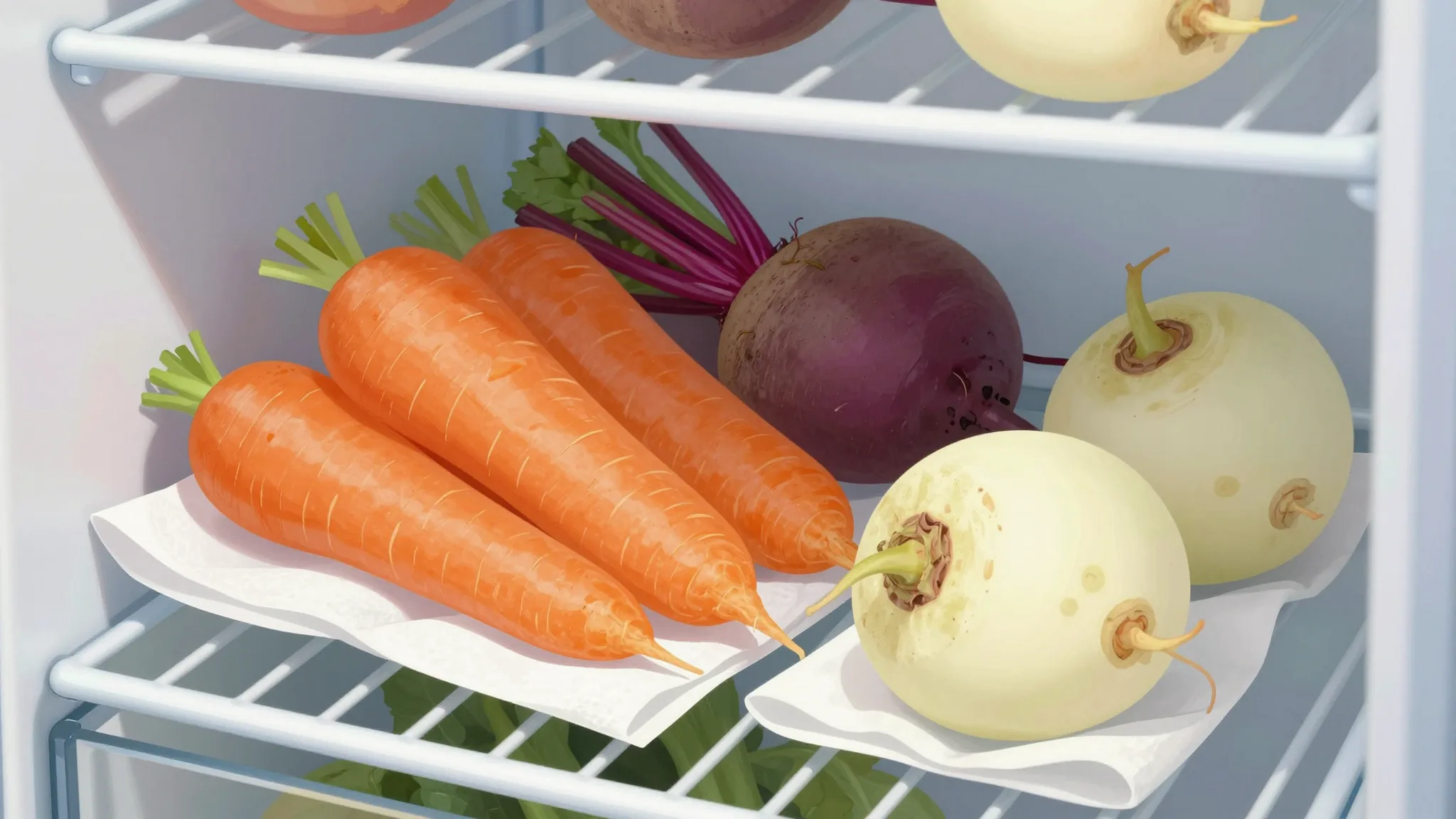
Root vegetables are the unsung heroes of the winter pantry because they store exceptionally well in cool, dark conditions without sacrificing nutritional value. Carrots and beets retain their beta-carotene and folate for months after harvest, while parsnips and rutabagas offer a peppery depth that roasted dishes crave. To get the best texture, look for firm specimens with smooth skin and no soft spots. A common mistake is storing them in plastic bags, which traps moisture and accelerates spoilage. Instead, wrap them loosely in a paper towel and place them in the crisper drawer of the refrigerator.
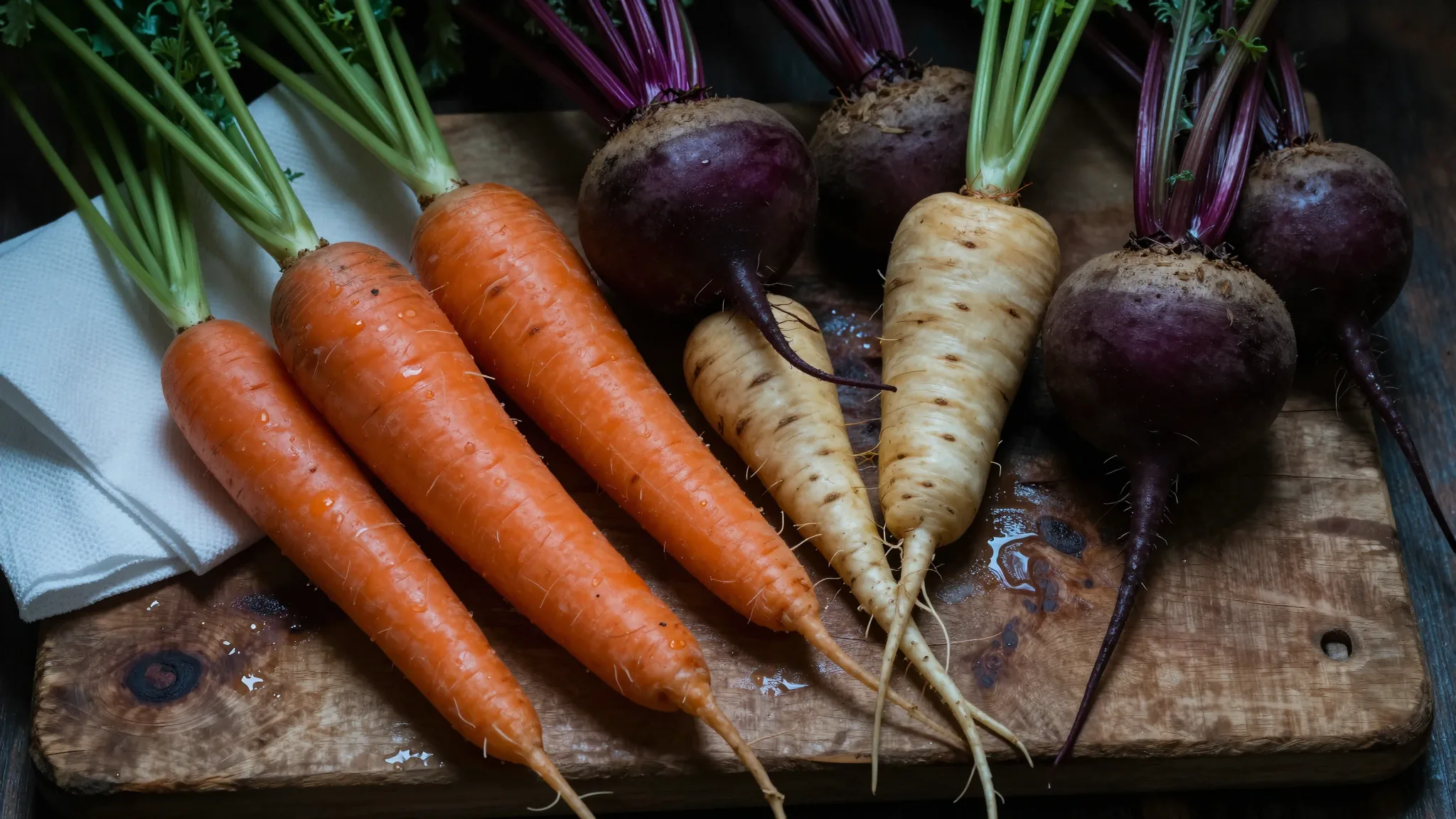
When preparing root vegetables for January meals, roasting is the most reliable method for unlocking their natural sweetness. Cutting them into uniform sizes ensures even cooking, and tossing them with olive oil, salt, and a touch of thyme before baking at 400°F for thirty to forty minutes yields caramelized edges and tender centers. For soups, blending roasted beets with ginger and citrus creates a vibrant, warming starter that feels luxurious yet costs only a few dollars per serving. These techniques require no special equipment and can be adapted for any dietary preference, making root vegetables the most versatile category in the January food guide.
Brassicas and Greens: Nutrient-Dense Comfort
Kale, collard greens, Swiss chard, and Brussels sprouts are at their peak flavor in January because the cold weather prompts these plants to produce higher concentrations of sugars as a natural antifreeze. This means the bitterness often associated with these vegetables diminishes, leaving behind a robust, earthy taste that pairs well with garlic, lemon, and smoked meats. When selecting brassicas, choose heads that feel heavy for their size with tightly closed sprouts or leaves that show no signs of sliminess. Pre-cut bags often contain bruised produce, so buying whole heads and slicing them at home ensures better texture and longer shelf life.
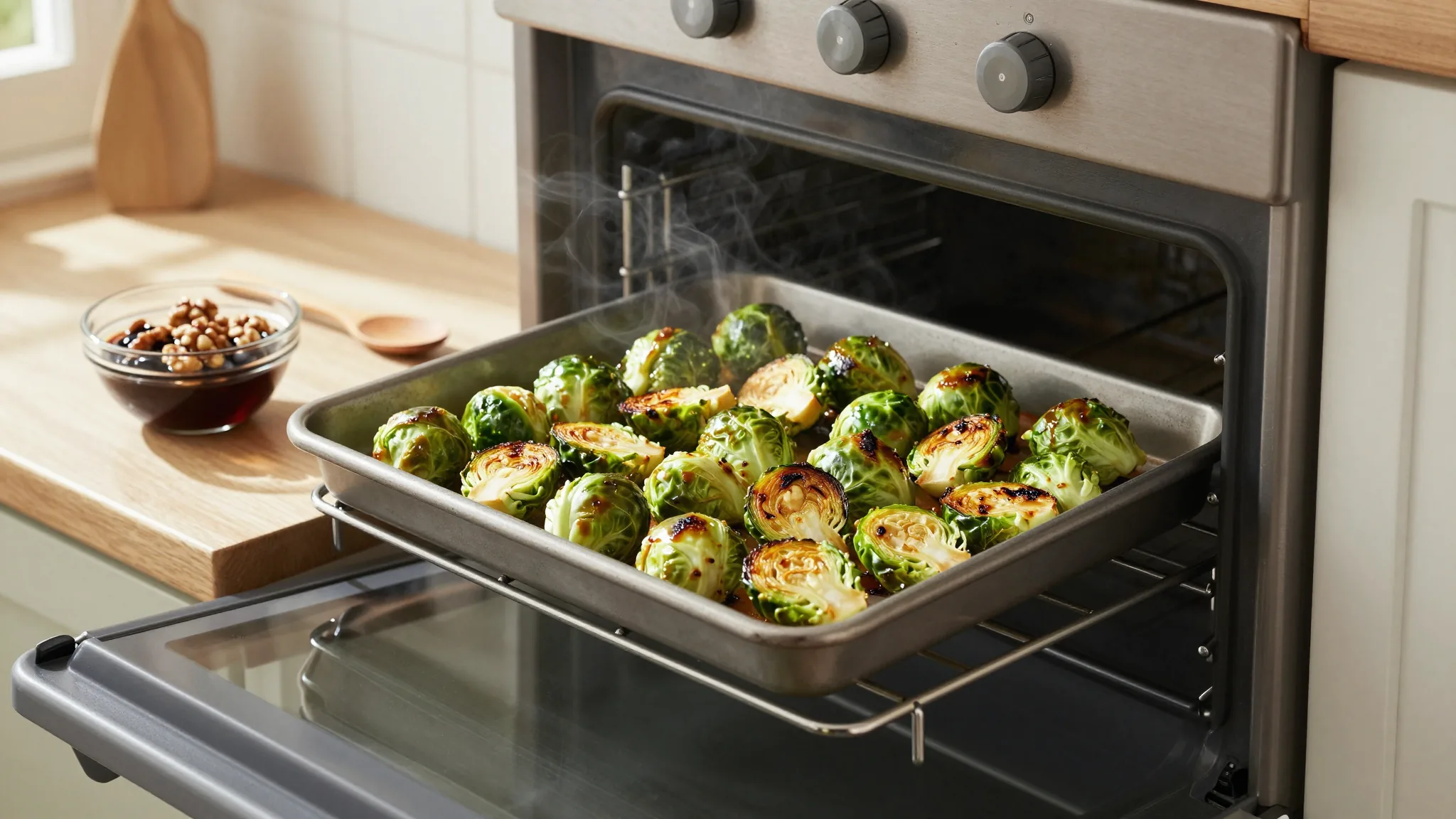
Brussels sprouts deserve special attention because they are frequently overcooked, resulting in a sulfurous aroma and dull flavor. The solution is to roast them cut-side down on a preheated baking sheet, which caramelizes the flat surfaces while keeping the interiors tender. A simple dressing of balsamic glaze and toasted walnuts elevates them from a side dish to the centerpiece of a light lunch. For greens, a quick sauté with garlic and red pepper flakes, followed by a splash of lemon juice, preserves their bright color and nutritional density. These methods are fast enough for weeknight dinners yet impressive enough for weekend gatherings, making brassicas a cornerstone of the January food guide.
Citrus and Storage Tactics for Longer Freshness
Citrus fruits including oranges, grapefruits, and mandarins arrive at their juiciest peak in mid-winter, offering a natural source of vitamin C when fresh produce options are limited. The thick rind of these fruits protects the flesh from drying out, but improper storage can lead to mold within days. Keeping citrus in the refrigerator’s crisper drawer extends freshness for up to four weeks, while leaving a few on the counter for immediate use ensures they are always within reach. A practical tip is to place a dry paper towel inside the storage bag to absorb excess moisture, which significantly reduces the risk of spoilage.
When incorporating citrus into January meals, the zest is just as valuable as the juice. Grating the outer peel before juicing captures aromatic oils that elevate dressings, marinades, and baked goods. For a simple dessert, segmenting a mandarin and tossing it with a touch of honey and mint creates a refreshing palate cleanser after hearty winter meals. To maximize shelf life, avoid washing citrus until right before use, as residual moisture on the rind accelerates decay. These small adjustments to storage and preparation habits make a noticeable difference in both flavor and food waste, reinforcing the practical value of the January food guide.
Before relying on any new recipe or storage method, verify the condition of your produce by checking for soft spots, discoloration, or unusual odors. Start with one or two new dishes per week to avoid overwhelming your routine, and always taste a small portion before serving a large batch. If you have leftover root vegetables, roast them in advance and store them in an airtight container in the refrigerator for up to five days;
they can be reheated in a skillet for a quick side dish. These low-risk steps ensure that the January food guide translates into real kitchen success without unnecessary experimentation.


Leave a Comment
You must be logged in to post a comment.