
Tai’an Family Travel: Real Challenges & Practical Solutions
Practical Travel Tips
Govoyagenow
Tomorrow, taking your family to Tai’an, what often holds you back is rarely the attractions themselves, but the triangular conflict of time, budget, and children’s stamina. A successful family trip does not depend on how many places you visit, but on whether you can arrange a reasonable pace within a limited timeframe, control expenses, and prevent children from breaking down midway. This article focuses on the core need of “taian tomorrow family travel guide,” breaking down three key aspects—accommodation choices, itinerary pacing, and emergency preparedness—providing actionable solutions.
Accommodation Decision: The Trade-off Logic Between Hotels and Homestays
When choosing accommodation, family travelers often face a dilemma between “convenience” and “space.” Hotels typically offer standardized services such as breakfast, front desk reception, and quick checkout, making them ideal for short stays where efficiency is prioritized. However, room sizes are often limited, leaving little space for children to move around, and configurations like a double bed plus a crib are frequently tight. Homestays or apartment-style accommodations, on the other hand, provide separate living rooms, kitchens, and sometimes balconies, allowing children to move freely and parents to take turns supervising—especially suitable for families with young children or multi-generational groups. Yet, the drawbacks of homestays are equally evident: locations may be remote, elevators may be lacking, and checkout times may be inflexible. The criteria are simple: if your child is under six or an elderly family member has mobility issues, prioritize hotels with elevators near scenic areas;
if your child is over eight and you’re seeking value for money, a two-bedroom homestay can significantly reduce per-person costs.
Itinerary Planning: Physical Energy Allocation for Half-Day vs. Full-Day Tours
Tai’an’s terrain is mountainous, with many steps and steep slopes, presenting a hidden challenge for children and the elderly. Full-day high-intensity tours easily lead to afternoon irritability and crying in children, ultimately diminishing the overall experience. A more reasonable approach is to split the itinerary into two half-day segments: focus on core attractions in the morning, then return to the accommodation for a nap or free activity in the afternoon. Morning routes should be chosen for ample lighting and adequate shading to avoid midday sun exposure. Afternoon activities can be lighter, such as city strolls, cultural and creative districts, or riverside leisure. The key is not to see fewer attractions, but to allow the body recovery windows. Parents should check in advance the walking distances and public transit frequencies between attractions to avoid wasting time on long transfers. If continuous touring is unavoidable, scheduling a 15-minute seated break every 90 minutes to replenish water and snacks can effectively delay the onset of fatigue.
Emergency Preparedness: Item Checklist and Response to Unexpected Situations
What Family Travelers Most Often Overlook Is Detailed Preparation
Detailed preparation is what family travelers most often overlook. Before departure, create a checklist tailored to Tai’an’s climate and terrain: non-slip shoes, sun-protective clothing, portable power banks, common medications, children’s masks, and wet wipes. Mountain weather is unpredictable;
Before travelling, save local emergency contact details and the accommodation address offline on the devices used by accompanying adults. Agree who will contact the accommodation if plans change, and identify where to seek appropriate medical assistance. If someone becomes unwell, adjust the itinerary and seek medical advice. Urgent symptoms require local emergency assistance.
How to Balance Budget and Experience: Hidden Cost Control Techniques
Budget overruns for family trips often stem from hidden expenses rather than upfront prices. The four major traps are tickets, parking fees, dining, and souvenirs. The core of budget control lies in locking in discounts in advance: many attractions offer discounts for children, students, and seniors, and online bookings are usually cheaper than on-site purchases. For parking, choosing accommodation with free parking can save dozens of yuan daily. For dining, avoid restaurants inside the main scenic gates;
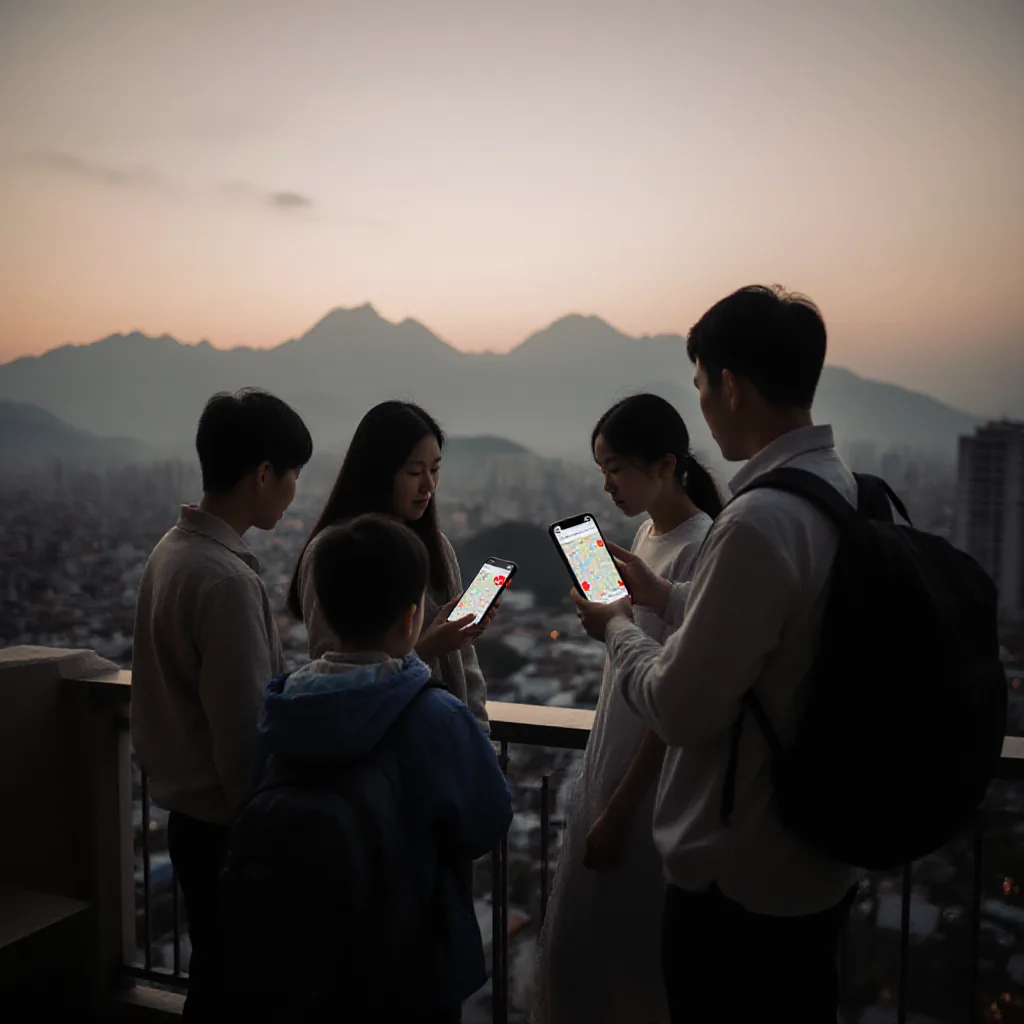
walking ten minutes to nearby neighborhoods often reveals affordable and authentic eateries. Another easily overlooked cost is wasted time—detours due to unfamiliar routes or long queues indirectly increase transportation and energy consumption. Using mainstream map apps to check real-time traffic and queue lengths allows you to dynamically adjust your itinerary order, ensuring limited time is spent on truly worthwhile experiences.
Before-departure family checklist
Confirm the accommodation booking, room arrangement and arrival instructions. Save the address and a contact method offline. Check how each traveller will get from the arrival point to the entrance, particularly when a pushchair, luggage or reduced mobility makes steps difficult. Ask the accommodation about anything essential to your stay instead of assuming that it is included.
Review the next day’s route together. Choose a main outing, a convenient rest stop and a simpler alternative if someone becomes tired. Check the current weather and the visitor information for the attractions you have chosen. Keep any required booking confirmations accessible, and agree which part of the itinerary can be postponed without losing the main purpose of the trip.
Pack the medication, snacks, water and spare clothing your family normally needs. Put the most useful items in a bag that stays with the accompanying adult. Make sure each adult knows the meeting point and how to contact the others. If anyone becomes unwell, seek appropriate medical advice; serious or urgent symptoms require local emergency assistance rather than continuing the outing.
For another example of organising a route around manageable daily outings, compare the pacing decisions in our Qiongzhong itinerary guide. For deciding how an arrival day affects the rest of a journey, our Yancheng transport planning guide explains the checks to complete before booking. The local transport and attraction details remain specific to each destination.