Qingyuan on a Budget: How to See the City’s Best Sights Without Overspending
漏洞分析
Govoyagenow
Traveling to Qingyuan on a budget is not only feasible but actually the preferred way to experience the city’s character. Most of the region’s standout attractions—riverside walks, mountain trails, and rural villages—are either free or cost less than a local bus fare, meaning your daily spend can stay well under 200 yuan if you plan around public transport and street food. This guide lays out a practical spending framework, the main cost traps to avoid, and a day-by-day approach that keeps the experience rich without the financial strain.
The core conclusion is straightforward: your biggest expenses in Qingyuan will be accommodation and intercity travel, not the sights themselves. By choosing a budget hotel near the bus station, eating where locals eat, and prioritizing free natural landmarks over ticketed commercial attractions, you can comfortably enjoy a three-day trip for around 300 to 400 yuan per person, excluding your journey to and from the city. The sections below break down exactly how to allocate that money, what to skip, and where hidden fees tend to appear.
Where Should You Stay and Eat to Keep Costs Low
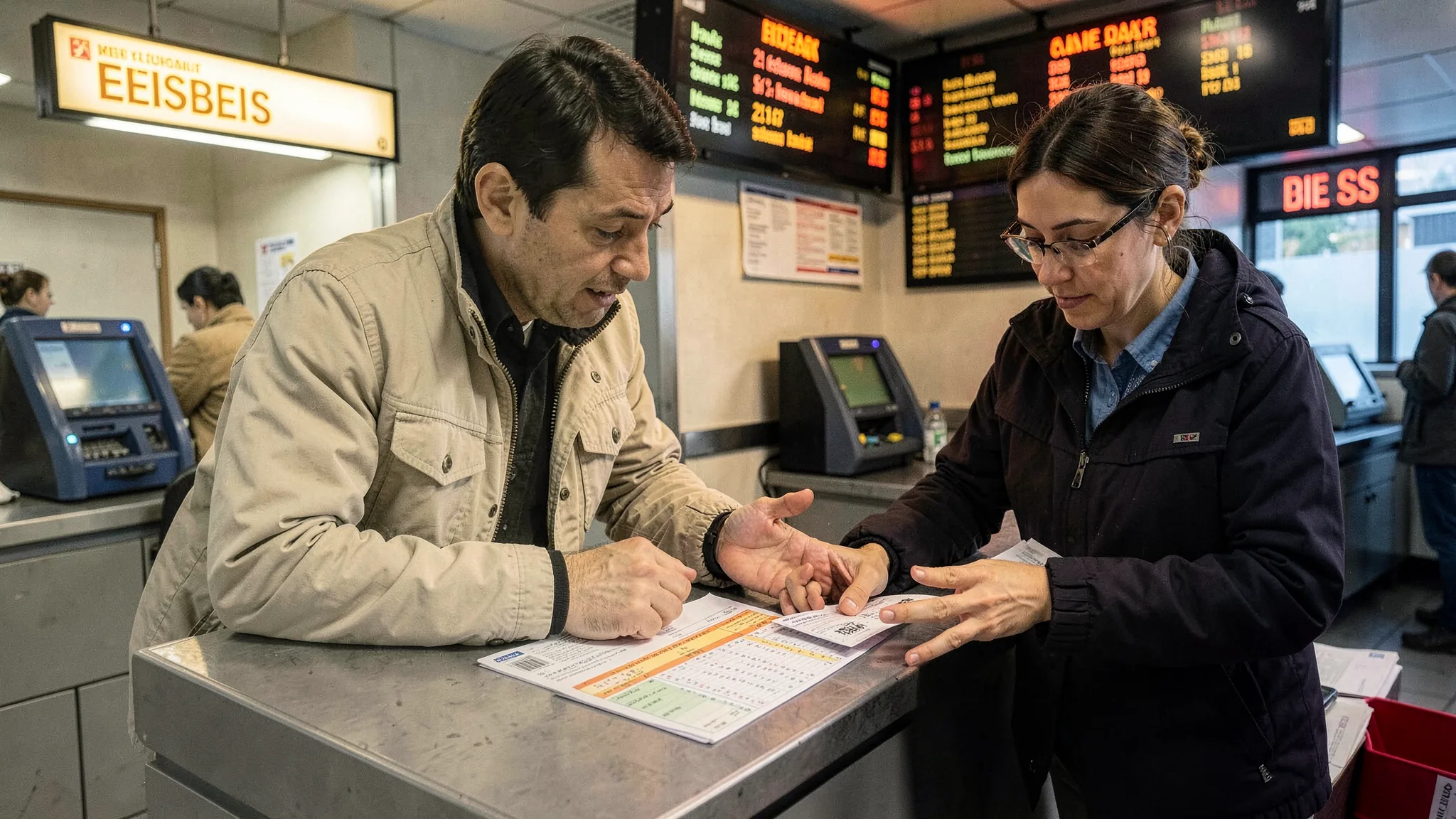
Accommodation is the one category where a little research saves the most money. Budget chain hotels near the government district or the main bus terminal typically charge between 120 and 180 yuan per night for a clean double room, and they are within walking distance of both the river promenade and the old town market area. Avoid staying in the newer commercial zones near the high-speed rail station, where prices run 30 to 50 percent higher for the same room quality, and the extra transport cost to the city center cancels out any convenience.
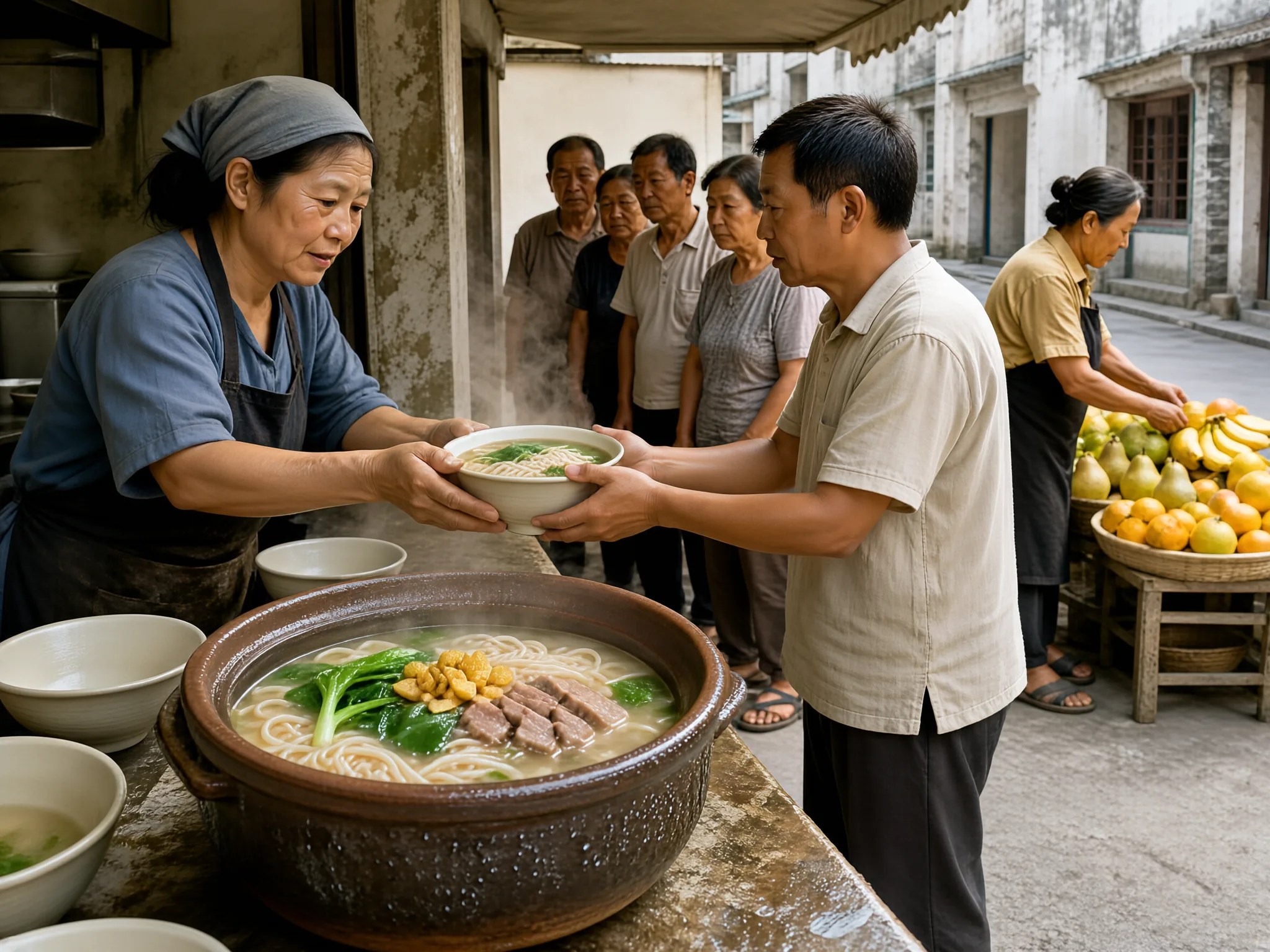
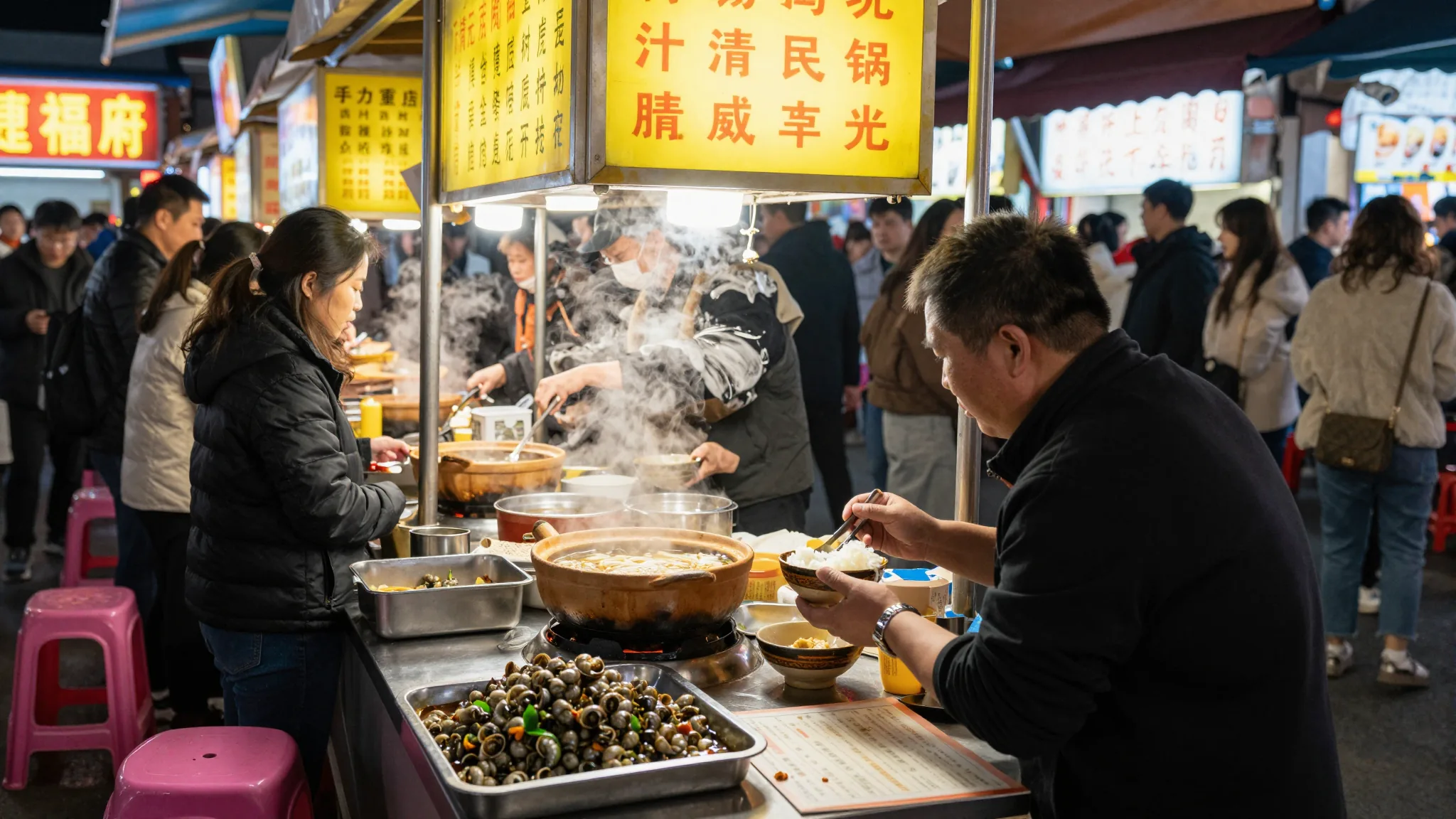
Food follows a similar logic. The old town’s morning markets and night stalls serve filling rice noodle soups, clay-pot dishes, and stir-fried river snails for 8 to 15 yuan per meal, while restaurants aimed at tourists in the same area charge double for smaller portions. Eat breakfast at a market stall, buy fruit from street vendors for snacks, and reserve one sit-down dinner per day at a busy local eatery where the queue is mostly residents. This pattern keeps daily food costs near 40 to 50 yuan without sacrificing the flavors Qingyuan is known for.
Which Free Attractions Offer the Best Value First
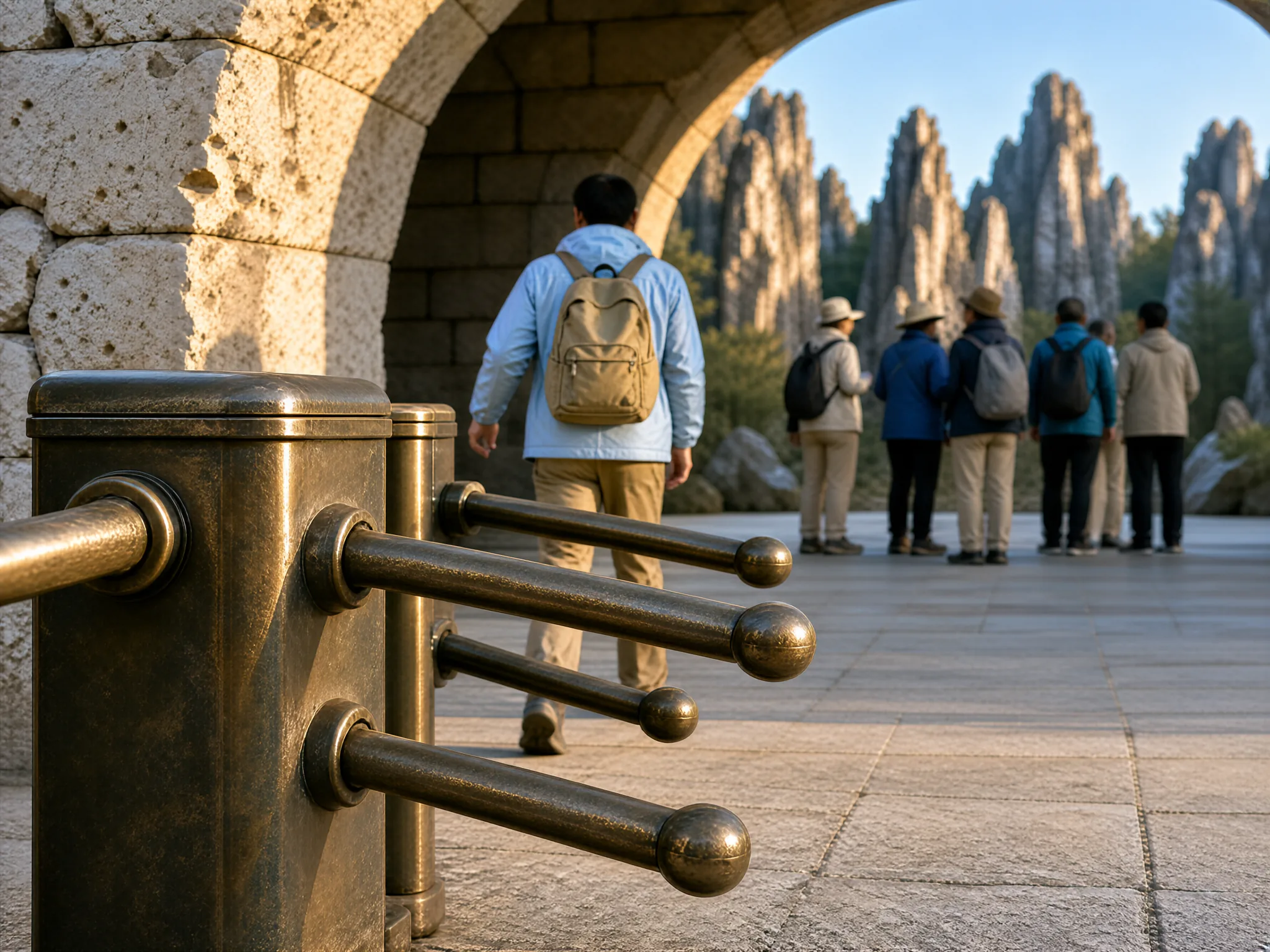
Begin your trip with the city’s free riverside paths and hilltop viewpoints, because they deliver the strongest return on zero yuan. The walking trail along the Bei River, especially the stretch near the Fengshan Bridge at sunrise or dusk, offers wide views of the water and the distant karst peaks, and it is entirely free. The city’s central parks, such as the one around the old city wall remnants, provide shaded rest spots and are popular with locals practicing tai chi, giving you a genuine slice of daily life without an admission fee.
For a half-day excursion, take a local bus to the rural outskirts where small reservoirs and bamboo groves sit at the base of low mountains. These areas are not formal scenic spots, so there is no ticket gate, and the bus fare is typically 2 to 5 yuan each way. Walking the village lanes, watching farmers tend vegetable plots, and stopping at a roadside stall for sugarcane juice costs almost nothing, yet it offers the quiet contrast to the city center that many paid attractions fail to deliver.
What Are the Real Cost Traps When Visiting Qingyuan
The most common overspend happens at ticketed scenic areas that require a full day and charge for internal shuttle buses on top of admission. Some mountain resorts and hot spring complexes in the wider region list entrance fees of 60 to 120 yuan, then add another 30 to 50 yuan for the mandatory shuttle from the parking lot to the actual trailhead. Before committing to any paid attraction, check whether the shuttle is truly optional, whether the trail can be walked from the public road, and whether the view from outside the gate is substantially different from the view inside.
Another trap is the assumption that taxis are the only way to reach outlying villages. Local minibuses depart from the main long-distance station throughout the morning, and they serve most rural destinations for under 15 yuan per person. A taxi for the same route costs 80 to 120 yuan. If your schedule is flexible, waiting 20 minutes for a minibus is the single easiest way to cut your transport budget by half. Finally, avoid buying bottled water and snacks at scenic area entrances;
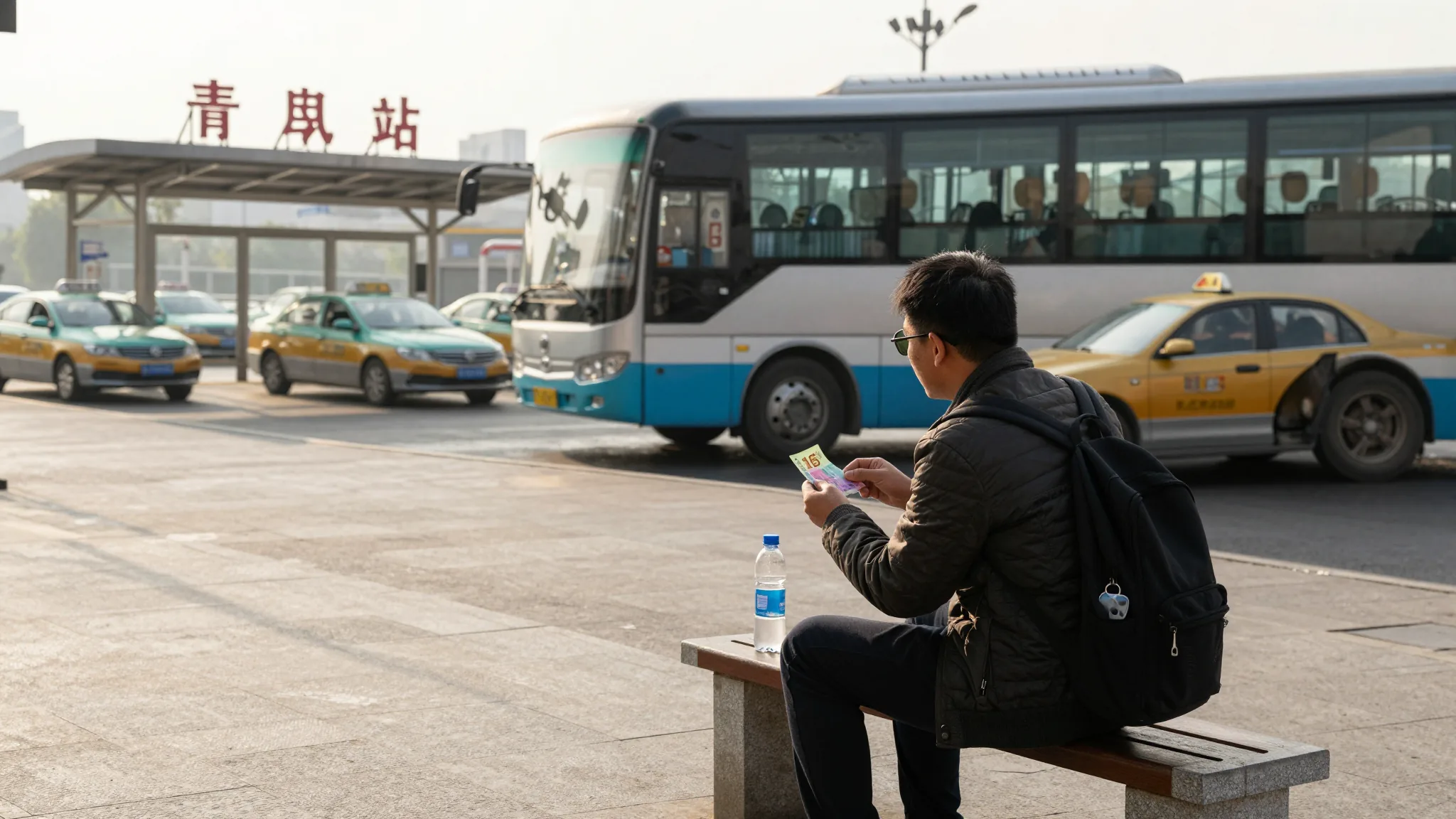
a 3-yuan bottle becomes 8 yuan inside the gate, and the same items are available at village shops a five-minute walk away.
Can You Really See Qingyuan’s Highlights in Three Days on a Tight Budget?
Yes, a three-day itinerary is realistic if you group activities by geography and use the bus network as your backbone. Day one covers the free riverside and old town, costing only meals and lodging. Day two uses a morning minibus to a rural reservoir area, returns by early afternoon, and finishes with the city’s evening market. Day three is reserved for one paid attraction if you have found one genuinely worth the ticket, or for revisiting a favorite riverside spot and shopping for local dried goods as souvenirs. This structure keeps total spending near 300 to 400 yuan per person, with the only major variable being your choice of accommodation tier.
The one expense you should not cut is a small buffer for weather-related changes. A sudden rainstorm can make rural dirt paths slippery, forcing a return to the city earlier than planned, and having 50 yuan set aside for an unexpected indoor meal or a short taxi ride prevents the whole trip from becoming stressful. Budget travel here works best when it is flexible, not when it is rigidly optimized to the last yuan.