
How to Fix a Scenic Area 3 Day Itinerary That Keeps Running Over Time
China Travel Guide
Govoyagenow
A scenic area 3 day itinerary often falls apart because travelers pack too many sights into each day without leaving room for transit delays, unexpected crowds, or sudden weather shifts. The most reliable fix is to anchor each day around one main zone, build in generous buffer time between stops, and pre-book timed entries for the most popular attractions. When you do this, the trip stops feeling like a race and starts feeling like a vacation.

This guide breaks down the root causes of itinerary breakdowns, walks through a step-by-step method to rebuild a realistic plan, identifies the risks of over-scheduling, and offers actionable adjustments that turn a rushed three-day trip into a comfortable, memorable experience. Whether you are visiting for the first time or returning for a second look, these strategies will help you make the most of every hour without sacrificing spontaneity or rest.
Why Most Scenic Area 3 Day Itineraries Collapse Before Day Two
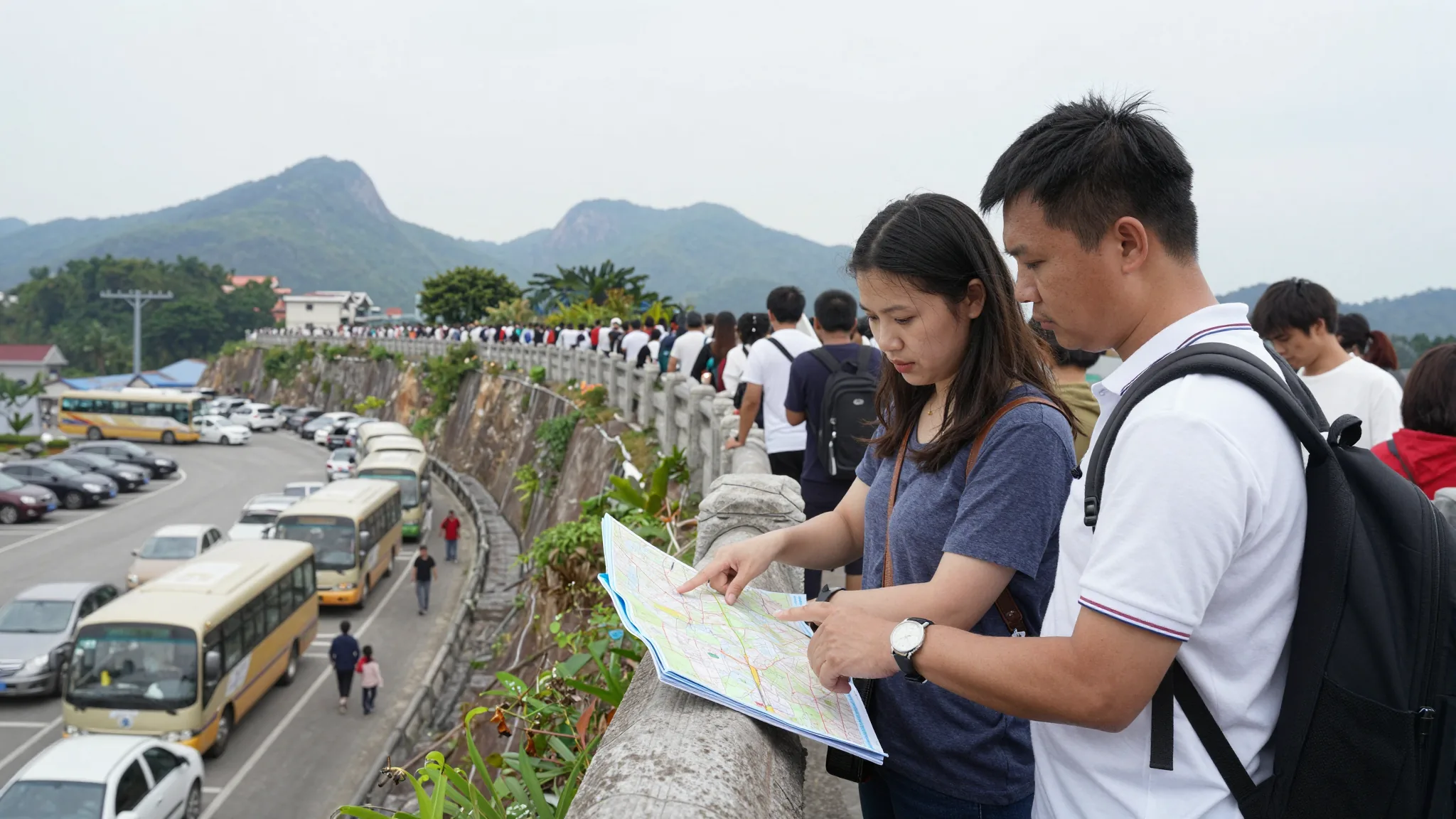
The primary cause of itinerary failure is underestimating transit time between attractions. Many travelers plan stops based on straight-line distance or driving time shown on a map, but real-world conditions—parking lot congestion, shuttle bus wait times, and foot traffic through crowded corridors—can easily double the expected travel time. A second common cause is ignoring personal stamina: after two or three hours of walking and sightseeing, most visitors need a sit-down break, a meal, or a quiet moment that the itinerary simply does not account for.
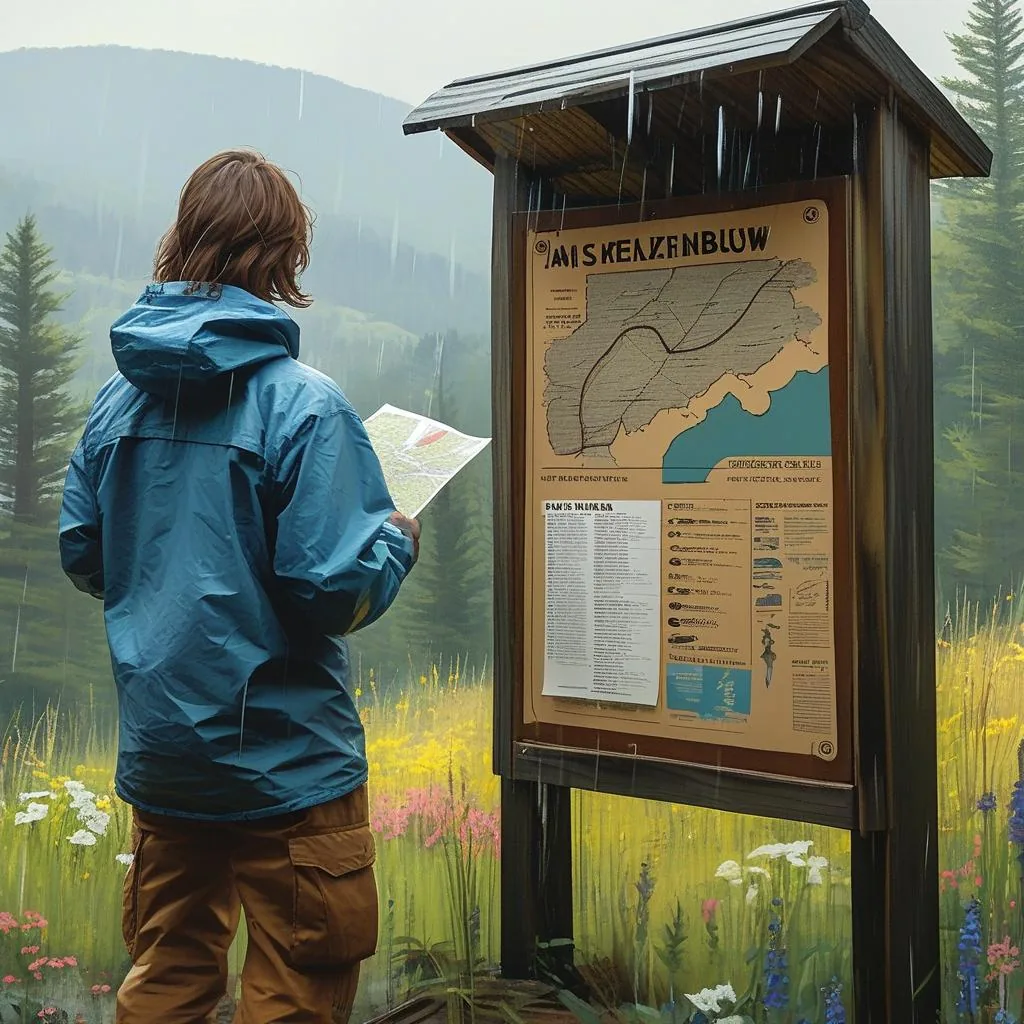
Finally, weather is a silent disruptor. A scenic area itinerary built entirely around outdoor activities will crumble the moment rain, fog, or extreme heat arrives, and without backup indoor options, the day is effectively lost. Travelers who have experienced this know the frustration of standing in a downpour with no plan B, watching the clock tick away precious hours that cannot be recovered. The solution is not to ignore weather forecasts but to build flexibility into the structure of the plan itself.
How to Rebuild a Realistic Scenic Area 3 Day Itinerary Step by Step
Start by choosing one primary zone or theme for each day rather than scattering stops across the entire region. Day one should focus on the most accessible attractions near your accommodation, Day two should tackle the most popular or time-sensitive sights, and Day three should be reserved for flexible exploration or backup activities. Within each day, limit yourself to two to three major stops and one to two minor ones. This constraint prevents the cognitive overload that comes from constantly deciding where to go next.
Next, estimate the total time for each stop by adding the expected visit duration, the transit time to the next stop, and a fifteen-minute buffer. If the total exceeds ten hours of active time, cut a stop—your future self will thank you. Pre-book timed entries for attractions that require reservations, and always have one indoor alternative for every outdoor activity in case of weather disruption. Finally, build in at least one hour of unstructured time per day. This is not wasted time but the buffer that absorbs the inevitable surprises, allowing you to linger at a viewpoint you love or rest at a café without feeling guilty about falling behind schedule.
What If Weather or Crowds Derail Your Scenic Area 3 Day Itinerary?
When conditions change, the itinerary must flex, not break. The key is to treat your plan as a framework rather than a fixed schedule. If morning rain cancels an outdoor stop, swap it with the afternoon slot and move the indoor activity forward. If an attraction is overwhelmed with visitors, step back and reassess: is it worth waiting in line, or would you gain more satisfaction by exploring a nearby lesser-known site?
Keep a list of two to three flexible alternatives for each day—museums, cafés, gardens, or viewpoints that work well in any weather. The goal is to maintain momentum and enjoyment, not to check every box on a rigid list.
Common Scenic Area 3 Day Itinerary Mistakes and How to Avoid Them
One of the most frequent mistakes is starting the first day too aggressively, which drains energy before the trip is even underway. Ease into Day one with a short walk and a single major attraction, saving the most demanding stops for Day two when you are already oriented and acclimated. Another mistake is neglecting meal planning: long waits for tables or detours to find food can eat into an hour or more of sightseeing time each day. Resolve this by booking lunch reservations or identifying convenient dining options near your planned stops before the trip begins.
A third mistake is forgetting to rest: schedule a midday break at a café or rest area, and avoid planning back-to-back high-intensity activities. Finally, do not skip the evening review—spend ten minutes each night noting what went well and what needs adjustment, then tweak the next day’s plan accordingly. These small habits compound into a trip that feels effortless rather than exhausting, and the result is a scenic area 3 day itinerary that delivers genuine relaxation alongside memorable experiences.