

Is Traveling Without a Guide a Good Idea?
Practical Travel Tips
Govoyagenow
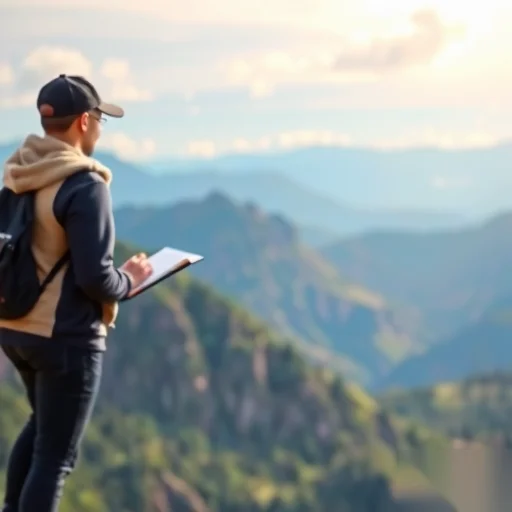
Traveling without a guide can be a refreshing and liberating experience, especially if you’re someone who enjoys spontaneity and discovery. Instead of relying on rigid itineraries and tourist traps, going off-script can lead to more meaningful and authentic encounters. The key is to plan strategically while leaving room for unexpected adventures. This approach not only helps you avoid the stress of over-planning but also allows you to connect with local culture in a more genuine way.
When you travel without a guide, you’re not just avoiding the chaos of crowded tourist spots—you’re also giving yourself the freedom to explore at your own pace. This method works best when you have a basic understanding of the destination, including language basics, transportation options, and cultural norms. It’s not about being completely unprepared, but rather about being flexible and open to the unknown.
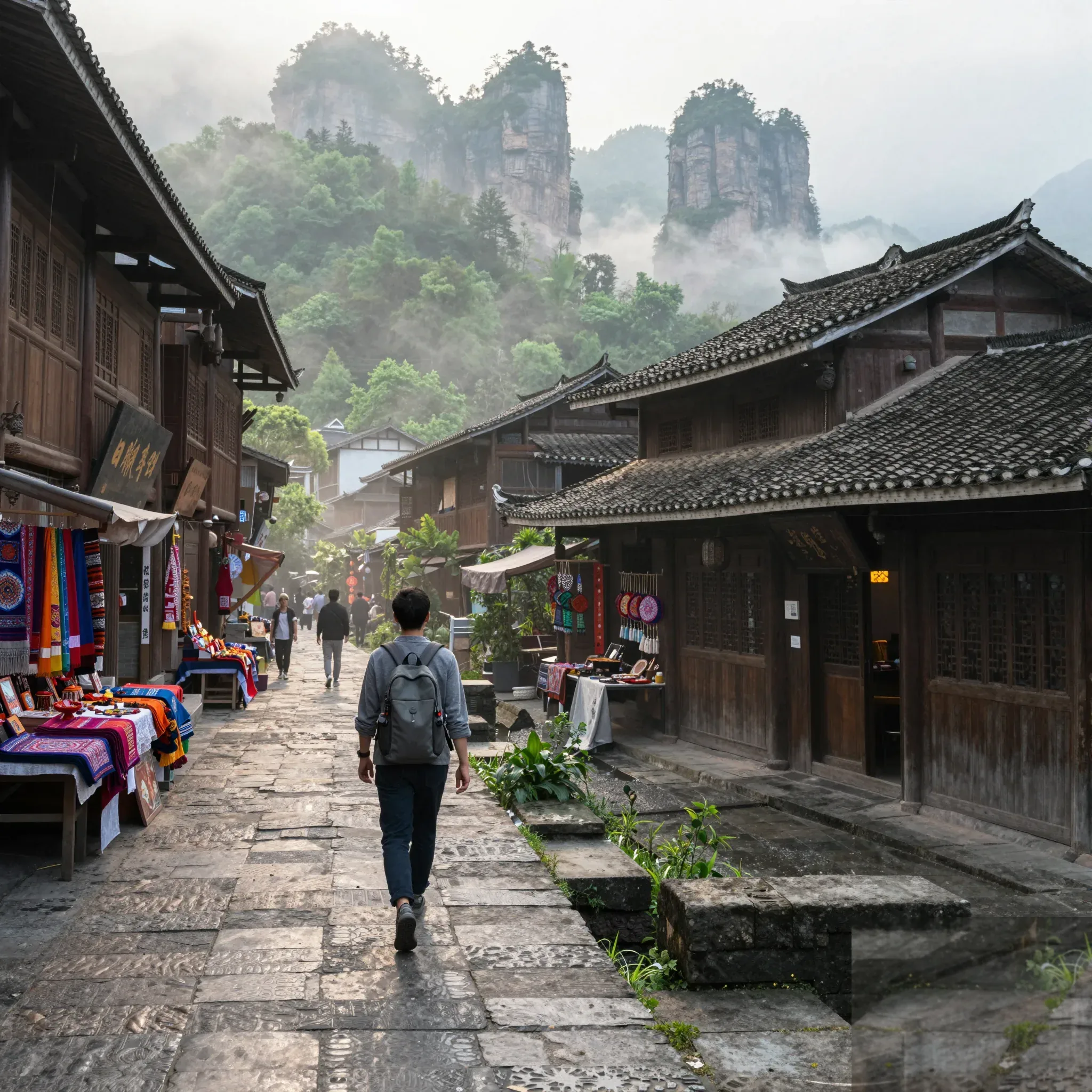
One of the biggest advantages of this approach is the ability to discover hidden gems that aren’t listed in travel guides. Whether it’s a local market, a family-run café, or an off-the-beaten-path hiking trail, these experiences often leave a lasting impression. By avoiding the typical tourist routes, you’re more likely to have unique and memorable moments.
However, it’s important to acknowledge that traveling without a guide isn’t suitable for everyone. If you’re a first-time traveler or visiting a destination with limited language skills, having a guide can provide reassurance and help you navigate unfamiliar environments. The goal isn’t to completely abandon planning but to shift your mindset from rigid schedules to a more fluid and responsive approach.
To make the most of a guide-free trip, start by researching the destination in advance. This includes understanding the local culture, transportation systems, and basic language phrases. Once you’ve gathered this information, allow yourself the freedom to deviate from the plan. For example, instead of sticking to a set list of attractions, let your curiosity lead you to new experiences. This balance between preparation and spontaneity is what makes the journey truly rewarding.
A great example of this approach is a traveler who visited Kyoto without a guide. Instead of following a pre-planned itinerary, they spent their first day wandering through the city, stopping at local shops and speaking with residents. This led to an invitation to a traditional tea ceremony, an experience they wouldn’t have had if they had followed a strict plan. The flexibility to adapt and engage with the environment created a more meaningful connection with the culture.
Another benefit of traveling without a guide is the opportunity to meet like-minded travelers. When you’re not confined to a group or itinerary, you’re more likely to strike up conversations with locals or fellow adventurers. These interactions can provide valuable insights and recommendations that are far more authentic than anything found in a guidebook.
It’s also worth considering the financial aspect. Traveling without a guide can be more cost-effective, as you’re less likely to spend money on pre-arranged tours or overpriced experiences. Instead, you can allocate your budget to experiences that align with your interests and preferences. This flexibility not only saves money but also enhances the overall value of your trip.
Of course, there are potential downsides to this approach. Without a guide, you might miss out on certain experiences or encounter unexpected challenges, such as language barriers or logistical issues. However, these obstacles can often be overcome with a bit of research and adaptability. The key is to remain open-minded and willing to learn from the experience, whether it’s a small setback or a surprising discovery.
In the end, the decision to travel without a guide depends on your personal preferences and travel goals. If you value freedom, spontaneity, and authenticity, this approach can be incredibly rewarding. It’s about embracing the unknown and allowing yourself to be shaped by the journey rather than the destination.


3 Comments
anonymous
24/04/2026
The example with Kyoto was amazing. I’ve always wanted to try a tea ceremony, but I never knew how to find one. This approach might help me discover things I never would have.
anonymous
24/04/2026
I loved the idea of traveling without a guide. It sounds so freeing, but I’m a bit nervous about getting lost. Any tips for someone like me?
anonymous
24/04/2026
I’ve tried this before, and it worked really well. The only thing I miss is having a guide for some places. But overall, it’s worth it for the authenticity.