

How to Plan a Perfect Pu’er Tourism Trip? A Step-by-Step Guide
Practical Travel Tips
Govoyagenow

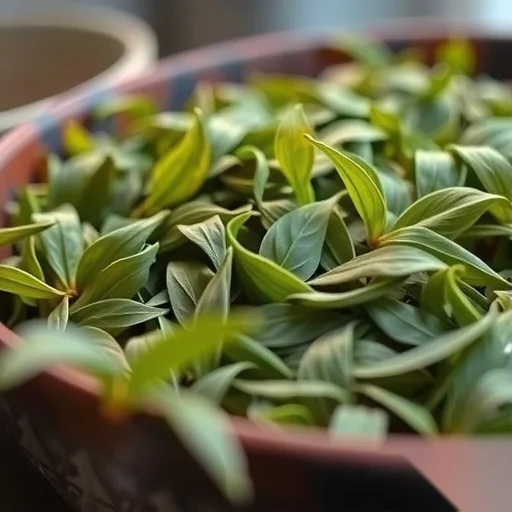
Pu’er tourism is one of the most unique and culturally rich experiences in China, but planning a trip can be overwhelming. Whether you’re a first-time visitor or a seasoned traveler, knowing where to go, what to see, and how to make the most of your time can be the difference between a memorable trip and a disappointing one. The key to a perfect Pu’er tourism experience lies in careful planning, understanding the local culture, and exploring the natural and historical treasures of this region. This guide will walk you through everything you need to know to plan a trip that’s both enriching and enjoyable.
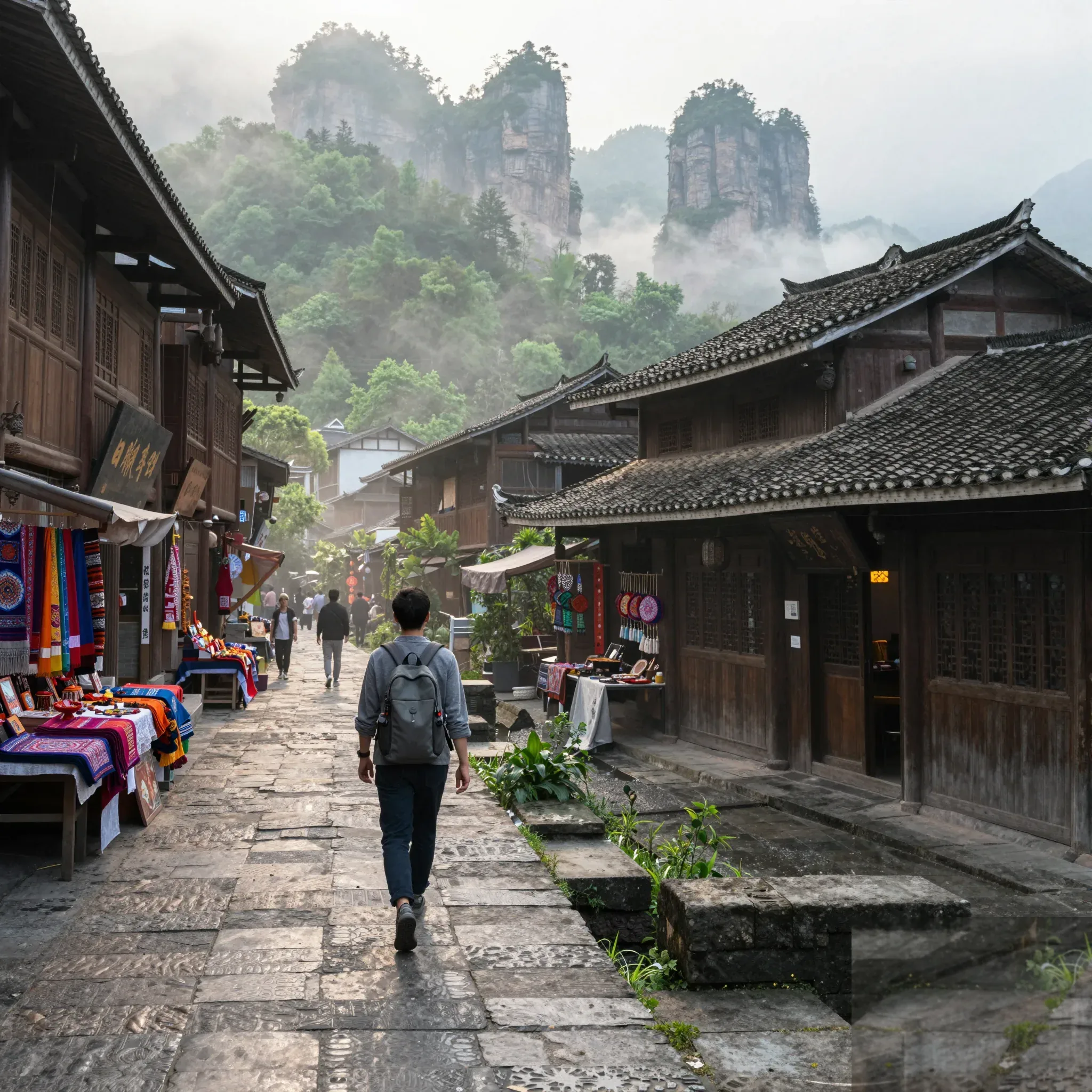
Pu’er, located in the Yunnan province, is known for its ancient tea culture, ethnic diversity, and breathtaking landscapes. The city is a gateway to the famous Dai ethnic group, the lush rainforests of the Xishuangbanna region, and the historic tea plantations that have been cultivated for centuries. However, without proper planning, visitors may miss out on the best experiences or find themselves lost in a place that’s both beautiful and complex. The first step is to understand the core principles of Pu’er tourism—what makes it special, and how to navigate its unique cultural and natural attractions.
To make the most of your trip, start by researching the main attractions and cultural highlights. Pu’er is home to the ancient tea villages, such as Mengku and Laoshan, where you can learn about the traditional tea-making process. You can also visit the Dai ethnic villages, such as Xishuangbanna, to experience the rich traditions and customs of the local people. Additionally, the region is known for its natural beauty, with misty mountains, cascading waterfalls, and lush green forests that offer incredible hiking and photography opportunities. However, simply visiting these places without a clear plan can lead to a rushed or unfulfilling trip.
Next, create a detailed itinerary that balances sightseeing, cultural immersion, and relaxation. Start by choosing the best time to visit—Pu’er has a subtropical climate, with warm and humid summers and mild winters. The best time to visit is from April to October, when the weather is pleasant and the tea harvest is in full swing. During this period, you can participate in tea festivals, visit tea farms, and enjoy the fresh, fragrant tea leaves. If you’re interested in the Dai culture, visiting Xishuangbanna in the spring or summer is ideal, as the weather is comfortable and the local festivals are in full swing.
Once you have a clear idea of what you want to see and do, it’s time to plan your transportation and accommodation. Pu’er has a well-developed transportation network, including buses, trains, and flights to major cities like Kunming and Guangzhou. However, traveling to remote tea villages or ethnic areas may require private transportation or local guides. It’s also important to choose the right accommodation based on your preferences—whether you prefer a luxury hotel in the city, a homestay in a Dai village, or a cozy guesthouse in a tea plantation.
Let’s take a real-life example to illustrate how to plan a perfect Pu’er tourism trip. Suppose you’re a traveler who is interested in both tea culture and ethnic traditions. Your trip could start with a visit to the Pu’er city center, where you can explore the local markets and learn about the history of Pu’er tea. From there, you can head to the Mengku tea village, where you can participate in a tea-making workshop and enjoy a traditional tea tasting session. In the afternoon, you can take a short trip to a nearby Dai village, where you can experience the local culture, try traditional food, and learn about the customs of the Dai people. On the second day, you can explore the Xishuangbanna region, visiting the famous Jinghong City and the lush rainforests that are home to a wide variety of wildlife. Finally, you can end your trip with a relaxing visit to a local tea plantation, where you can enjoy the peaceful surroundings and reflect on your experiences.
By following this structure, you can ensure that your trip is both educational and enjoyable. You’ll have the opportunity to immerse yourself in the rich cultural heritage of Pu’er, explore its natural beauty, and create lasting memories.
One of the best parts of visiting Pu’er is the opportunity to learn about the local tea culture. Tea is not just a drink in this region—it’s a way of life. From the moment you arrive, you’ll be introduced to the art of tea-making, the different types of Pu’er tea, and the history behind this ancient tradition. Whether you’re a tea enthusiast or


2 Comments
anonymous
25/04/2026
I've always been fascinated by the Dai culture, so seeing the traditional architecture in Pu'er is definitely on my travel bucket list.
anonymous
25/04/2026
Exploring Pu'er sounds like an amazing way to experience both culture and nature. I can't wait to visit the tea workshops and learn about the traditional methods.