
How to Plan a Perfect Germany and Austria Trip? A Step-by-Step Guide
Seasonal Travel
Govoyagenow
Traveling to Germany and Austria can be an unforgettable experience, but without proper planning, it’s easy to feel overwhelmed by the sheer number of sights, cultural nuances, and logistical challenges. The key to a seamless and enjoyable trip lies in understanding the core principles of travel planning and following a structured approach. This guide will walk you through the essentials of planning a Germany and Austria trip, from choosing the right time to visit to making the most of your time in these beautiful countries.
One of the biggest challenges when visiting Germany and Austria is deciding where to go and how to move between destinations efficiently. With so many cities, castles, and natural wonders to explore, it’s easy to feel like you’re missing out on something. The solution is to create a clear itinerary that balances major attractions with opportunities for relaxation and local experiences. This approach ensures you don’t rush through the highlights but still have enough time to enjoy the culture and scenery.
When planning your trip, start by identifying the must-see destinations. Germany offers a mix of historical landmarks, vibrant cities, and picturesque landscapes, while Austria is known for its alpine beauty, classical music heritage, and charming towns. Cities like Munich, Berlin, and Cologne in Germany, and Vienna, Salzburg, and Innsbruck in Austria, are all worth including in your itinerary. Once you’ve selected your destinations, consider the best time to visit. Spring and early autumn are ideal, as the weather is pleasant and tourist crowds are smaller. However, if you’re interested in winter sports or Christmas markets, visiting in December or January can be equally rewarding.
Next, think about how to move between these locations. Germany and Austria are well-connected by train, making it easy to travel between cities without needing a car. The German rail network is particularly efficient, with frequent services and comfortable seating. If you’re planning to explore rural areas or mountainous regions, renting a car might be a better option. However, be sure to research local driving rules and consider the cost of fuel and parking.
Once you have your destinations and travel logistics sorted, it’s time to plan your daily activities. In Germany, don’t miss the opportunity to visit iconic landmarks like Neuschwanstein Castle in Bavaria or the Brandenburg Gate in Berlin. In Austria, take a day trip to Hallstatt or the Austrian Alps for breathtaking views. Each city has its own unique charm, so make sure to include local experiences such as traditional dining, museums, and cultural events.
A great way to ensure you make the most of your trip is to incorporate a mix of activities. For example, in Vienna, you can spend a morning exploring the Schönbrunn Palace and then enjoy an afternoon at the Vienna Opera. In Salzburg, take a guided tour of the Mozart House and then relax with a coffee at a local café. Balancing sightseeing with downtime will help you avoid burnout and enjoy your trip more fully.
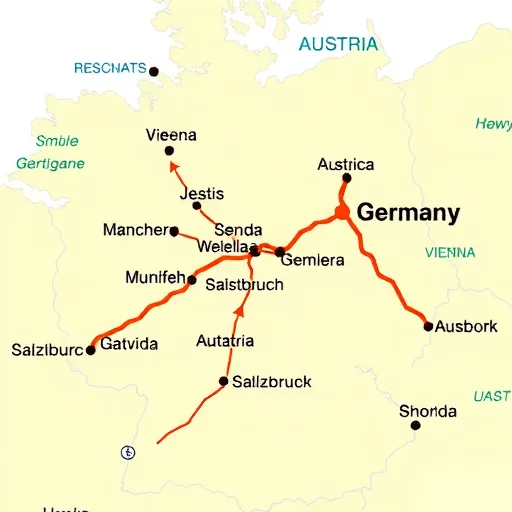
To illustrate how this approach works in practice, let’s look at a sample itinerary. A traveler planning a 10-day trip might start in Munich, where they can visit the Marienplatz and the Hofbräuhaus. From there, they could take a train to Salzburg, where they’ll explore the Old Town and the Mirabell Garden. A day trip to Hallstatt would add a touch of natural beauty to the itinerary. Next, they might head to Vienna for a few days, visiting the Schönbrunn Palace, the Vienna Museum, and the Danube River. Finally, they could spend a couple of days in Innsbruck, enjoying the alpine views and shopping in the historic Old Town.
This type of planning not only ensures you see the best of both countries but also allows for flexibility if you want to extend your stay in a particular city. By focusing on the essentials and avoiding overbooking your days, you’ll have a more relaxed and enjoyable experience.
In addition to planning your itinerary, it’s important to prepare for the practical aspects of travel. Researching local customs, such as tipping etiquette in restaurants, can help you avoid misunderstandings. Packing appropriately for the weather and the activities you plan to do will also make your trip more comfortable. Lastly, having a travel insurance policy in place can provide peace of mind in case of unexpected situations.
Germany and Austria are two of Europe’s most captivating destinations, offering a rich blend of history, culture, and natural beauty. With the right planning and a flexible mindset, you can create a memorable trip that highlights the best of both countries. Whether you’re a first-time visitor or a seasoned traveler, this





2 Comments
Anonymous
22/06/2026
The photos in the article really capture the charm of these countries—especially the medieval town in Austria. I can't wait to plan my trip now!
Anonymous
22/06/2026
This guide is exactly what I needed! I've always wanted to visit both Germany and Austria, and the route suggestions look amazing.