
How to Plan a Perfect Xinjiang Tour Like a Local?
Seasonal Travel
Govoyagenow
Traveling to Xinjiang can be overwhelming with its vast landscapes, diverse cultures, and rich history. If you’re wondering how to plan a trip that truly captures the essence of Xinjiang without missing out on the must-see sights, you’re not alone. The key is to blend practical planning with a deep understanding of the region’s unique charm. By following a few essential steps, you can ensure a seamless and unforgettable journey.
Xinjiang is a place where the past and present coexist, and its beauty lies in its diversity. From the ancient Silk Road cities to the stunning natural landscapes, there’s something for every traveler. However, without proper planning, you might miss out on the best experiences. The solution is to create a flexible itinerary that balances sightseeing with cultural immersion, while also respecting the local customs and traditions.
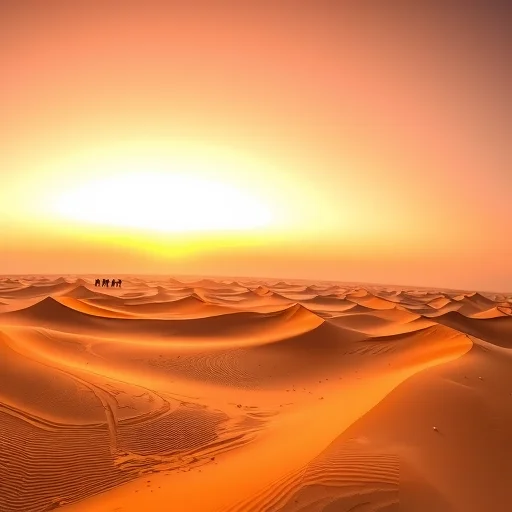
Start by choosing the right time to visit. The best months to explore Xinjiang are April to June and September to October, when the weather is mild and the scenery is at its most picturesque. Avoid the summer months, as temperatures can soar, and the winter months can be too cold for outdoor activities. Once you’ve settled on the timing, focus on selecting the key destinations. Urumqi, Kashgar, and Kashgar’s Old Town are must-visit spots, but don’t forget to include natural wonders like the Taklamakan Desert and the Tian Shan Mountains.
Transportation in Xinjiang can be a bit tricky due to its size and remote locations. The most efficient way to get around is by hiring a local guide or using a reliable tour operator. This ensures you not only save time but also gain valuable insights into the region’s history and culture. Additionally, consider purchasing a regional travel pass, which can help reduce costs for multiple destinations.
Accommodation is another important aspect to consider. While budget-friendly options are available, staying in a local homestay or boutique hotel can provide a more authentic experience. These places often offer meals made with traditional Xinjiang cuisine, such as plov (pilaf) and kebabs, which are essential to the local flavor.
When it comes to cultural etiquette, respect is key. Dress modestly, especially when visiting mosques or rural areas, and always ask for permission before taking photos of locals. Learning a few basic phrases in Uyghur or Kazakh can also go a long way in building connections with the people you meet along the way.
To illustrate how this approach works, let’s take the example of a traveler who spent a week exploring Xinjiang. They started in Urumqi, where they visited the People’s Park and the Bazaar. From there, they traveled to Kashgar, immersing themselves in the Old Town’s vibrant markets and historical sites. They then ventured into the Taklamakan Desert, where they enjoyed a camel ride and stayed in a desert camp. Finally, they ended their trip in the Tian Shan Mountains, where they hiked through stunning landscapes and experienced the local hospitality.
Throughout their journey, they followed a flexible itinerary, allowing time for spontaneous discoveries and cultural interactions. This approach not only made their trip more enjoyable but also helped them form lasting memories.

Traveling to Xinjiang is more than just visiting famous landmarks—it’s about experiencing a unique way of life and connecting with the people who call this region home. By planning thoughtfully and embracing the local culture, you can create a travel experience that is both enriching and unforgettable.

3 Comments
anonymous
21/04/2026
The itinerary suggestions are spot-on. I didn’t know about the regional travel pass, and it saved me a lot of money. Thank you for the detailed breakdown!
anonymous
20/04/2026
I loved the advice on cultural etiquette. It made me feel more respectful and connected to the people I met. The desert trip was beyond my expectations!
anonymous
20/04/2026
This guide was incredibly helpful! I followed the tips and had an amazing time in Xinjiang. The local homestay was a highlight, and the market in Kashgar was unforgettable.