
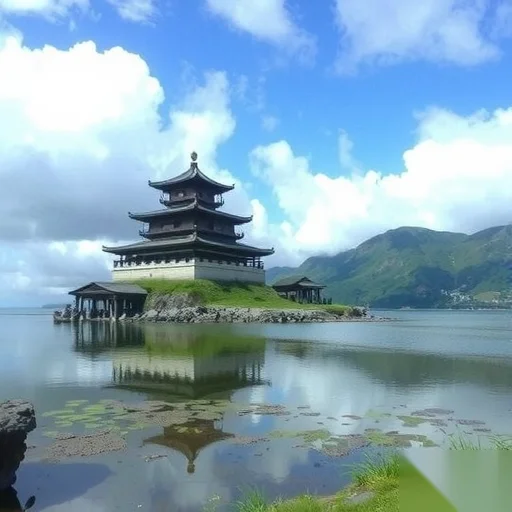
How to Plan a Perfect Stone Stream Tour?
Seasonal Travel
Govoyagenow
Traveling to Stone Stream is an unforgettable experience, but without a clear plan, you might miss out on the best parts of the trip. This guide will help you create a personalized Stone Stream tour plan that covers the most scenic spots, local culture, and practical tips to ensure a smooth and enjoyable visit. Whether you’re a first-time visitor or a seasoned traveler, this guide will help you maximize your time and make the most of your trip.
Stone Stream, known for its unique geological formations and tranquil natural scenery, is a hidden gem that attracts nature lovers and photography enthusiasts. However, many travelers struggle with planning their itinerary, choosing the right season, and navigating the area. To avoid these common pitfalls, it’s essential to understand the key principles of planning a Stone Stream tour. By focusing on the best time to visit, essential attractions, and local customs, you can ensure a more fulfilling and stress-free experience.
Before you start planning, consider your travel goals. Are you looking for a relaxing getaway, an adventurous hiking trip, or a cultural exploration? Different activities require different preparations. For example, if you’re interested in hiking, you’ll need to pack appropriate gear and plan your route in advance. If you’re more interested in photography, you’ll want to research the best times of day for lighting and the most picturesque viewpoints. Tailoring your plan to your interests will make your trip more enjoyable.
Next, choose the best time to visit Stone Stream. The weather can greatly affect your experience, so it’s important to research the local climate. Spring and autumn are generally the most favorable seasons, offering mild temperatures and fewer crowds. Summer can be quite hot, while winter may limit access to certain areas. By planning your visit during the optimal season, you can enjoy the natural beauty of Stone Stream without the discomfort of extreme weather.
Once you’ve determined the best time to visit, it’s time to plan your itinerary. Start by researching the main attractions in Stone Stream. Popular spots include the Stone Stream Valley, the surrounding forests, and nearby cultural sites. Each location offers a unique experience, so it’s important to prioritize based on your interests. For example, if you’re into hiking, you might want to include the Stone Stream Trail, which offers breathtaking views of the surrounding landscape. If you’re interested in history, you could visit local museums or historical landmarks that provide insight into the region’s past.
To make the most of your visit, it’s also helpful to plan your transportation and accommodation in advance. Stone Stream is a relatively small area, so you can choose between staying in nearby towns or setting up a campsite in the wilderness. If you’re planning to visit multiple attractions, consider renting a car or using local transportation services to save time and reduce stress. Additionally, booking accommodations in advance, especially during peak seasons, can help you secure the best options and avoid last-minute disappointments.
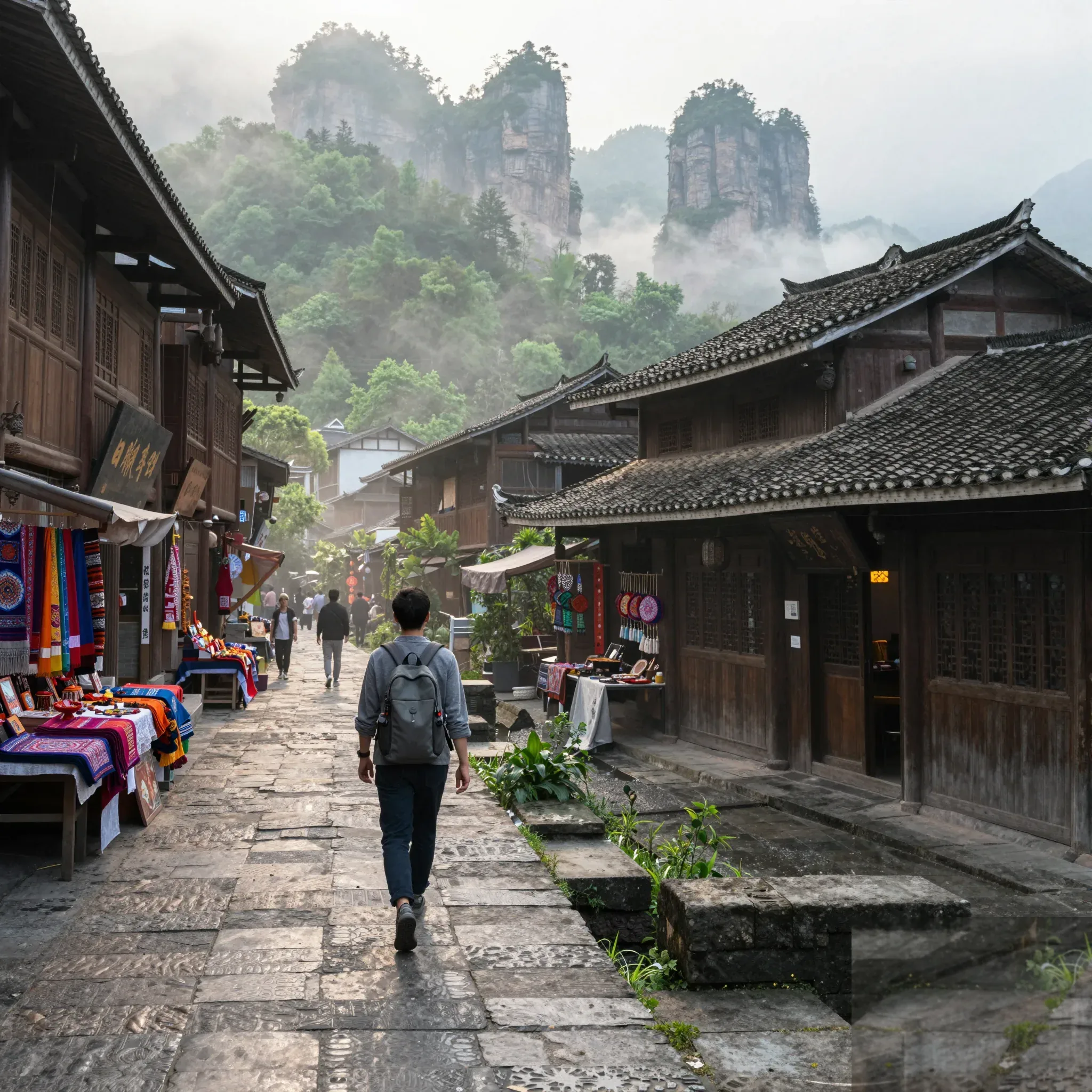
Let’s look at a real-life example to see how this planning process works. Suppose you’re planning a three-day trip to Stone Stream. On day one, you could arrive in the area and spend the afternoon exploring the local market and learning about the region’s culture. Day two could focus on hiking the Stone Stream Trail and visiting the Valley, while day three might include a visit to nearby cultural sites and a relaxing evening at a local restaurant. By structuring your trip in this way, you can ensure a balanced mix of activities that cater to both your interests and your schedule.
In addition to planning your itinerary, it’s also important to prepare for the practical aspects of your trip. This includes packing the right clothing and gear, checking the weather forecast, and ensuring you have all the necessary documents. If you’re planning to hike, bring comfortable shoes, water, and snacks. If you’re visiting cultural sites, consider bringing a camera or notebook to capture the experience. These small preparations can make a big difference in the overall quality of your trip.
Finally, don’t forget to leave room for spontaneity. While it’s important to have a plan, being flexible can lead to unexpected discoveries and memorable experiences. Whether it’s stumbling upon a hidden waterfall or meeting local guides who share interesting stories, these unplanned moments often become the highlights of the trip.


2 Comments
Anonymous
15/06/2026
This guide is very helpful! I didn’t know the best time to visit, and now I have a clear plan. I’m excited to go!
Anonymous
14/06/2026
The itinerary example was great. I followed it and had an amazing trip. I’ll definitely come back next year!