
How to Plan an Amazon Self-Guided Travel Itinerary?
China Travel Guide
Govoyagenow
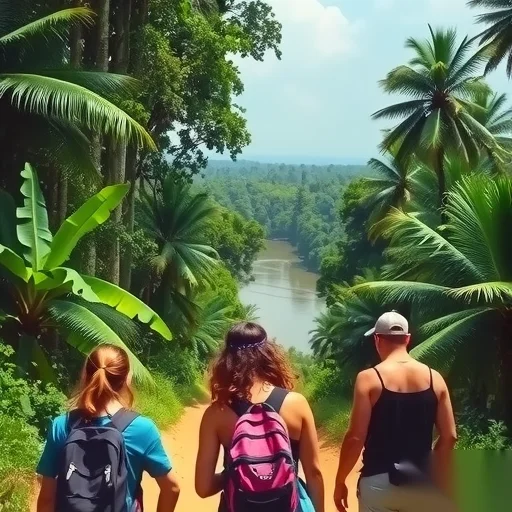
Traveling to the Amazon rainforest is an unforgettable experience, but it can also be overwhelming if you’re not prepared. Whether you’re a first-time traveler or a seasoned adventurer, planning a self-guided trip to the Amazon requires careful consideration of logistics, safety, and local customs. The key to a successful Amazon self-guided travel itinerary lies in understanding the region’s unique environment, choosing the right route, and preparing for the challenges that come with it. This guide will walk you through everything you need to know to plan your own Amazon adventure with confidence.
The Amazon rainforest is one of the most biodiverse regions on Earth, but it’s also one of the most remote. Without proper planning, navigating the dense jungle, dealing with unpredictable weather, and ensuring your safety can be a daunting task. However, with the right approach, you can create a self-guided itinerary that balances adventure with comfort. The core principle of planning an Amazon self-guided trip is to prioritize flexibility, research, and local expertise. By working with experienced guides, understanding the local regulations, and preparing for the physical and environmental challenges, you can maximize your chances of a safe and rewarding journey.
Before you start planning, it’s essential to define your travel goals. Are you looking for a cultural immersion experience, a wildlife adventure, or a spiritual retreat? Each objective will influence your choice of destination, duration of stay, and activities. For example, if you’re interested in wildlife, you might want to visit a national park like Manaus or Yasuni, where you can spot rare species. If you’re more interested in cultural experiences, you could opt for a trip to a local indigenous community or a traditional village. Once you have a clear idea of what you want to experience, you can begin researching the best routes and accommodations that align with your goals.
Choosing the right base is another critical step in planning your Amazon self-guided trip. While it’s possible to travel from the coast to the interior, starting in a major city like Manaus or Puerto Nariño is often more convenient. These cities serve as gateways to the rainforest and offer a range of services, including transportation, lodging, and local guides. From there, you can decide whether to take a riverboat, hike, or fly deeper into the jungle. It’s important to consider the accessibility of your chosen route, as some areas may require multiple transfers or longer travel times.
Once you’ve selected your starting point and route, the next step is to plan your daily activities and accommodations. The Amazon is a vast region, so it’s best to break your trip into manageable segments. For example, you could spend a few days in Manaus, then take a riverboat to a remote eco-lodge, followed by a few days of hiking or wildlife observation. When choosing accommodations, opt for eco-friendly lodges or homestays that support local communities. These places not only provide comfort but also contribute to sustainable tourism.
To ensure a safe and enjoyable trip, it’s important to prepare for the physical and environmental challenges of the Amazon. The region is known for its humidity, heavy rainfall, and dense vegetation, so you’ll need to pack the right clothing, gear, and supplies. Lightweight, moisture-wicking clothing, a good pair of hiking boots, and a waterproof backpack are essential. You should also bring insect repellent, a reusable water bottle, and a first-aid kit. Additionally, it’s a good idea to consult with a local guide or travel expert to learn about the best times to visit, the safest routes, and any potential risks you should be aware of.
A great example of a successful Amazon self-guided trip is a traveler who spent two weeks exploring the region. They started in Manaus, took a riverboat to a remote eco-lodge in the heart of the rainforest, and spent the next few days hiking through the jungle, observing wildlife, and learning about the local culture. They also visited a nearby indigenous community, where they participated in traditional activities and learned about the region’s history. By carefully planning their itinerary, they were able to experience the Amazon in a safe and meaningful way.
If you’re planning your own Amazon self-guided trip, remember that flexibility is key. The rainforest is unpredictable, and weather conditions can change rapidly. Having a backup plan, such as alternative routes or accommodations, can help you adapt to unexpected situations. Additionally, being respectful of the local environment and culture is crucial. The Amazon is home to many indigenous communities, and it’s important to approach them with sensitivity and curiosity. By following these principles, you can create a self-guided Amazon travel itinerary that is both enriching and responsible.

{A traveler standing in front of a traditional indigenous village, with colorful textiles and

4 Comments
Anonymous
25/05/2026
The Amazon is breathtaking, but it's important to be respectful of the local culture and environment. The article did a great job of emphasizing that.
Anonymous
25/05/2026
I followed the tips in the article and it made a huge difference in my trip. The guide on how to book transportation and stay safe was really helpful.
Anonymous
24/05/2026
Exploring the Amazon on my own was both exciting and challenging. I had to do a lot of research to make sure I was prepared for the weather and local regulations.
Anonymous
24/05/2026
I wish I had read this article before my trip. It would have saved me a lot of stress and helped me avoid some mistakes I made.